

Reported by: Ijeoma G | Edited by: Jevaun Rhashan
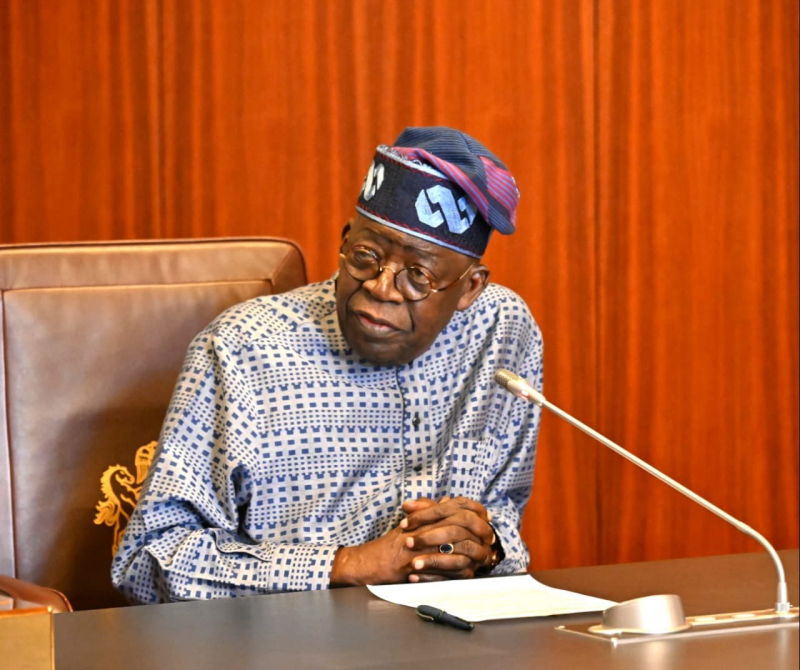
Nigeria’s ongoing struggle against terrorism and armed banditry has taken an unexpected turn into the national political spotlight after remarks attributed to Nuhu Ribadu, the National Security Adviser to President Bola Ahmed Tinubu, triggered widespread controversy and criticism. According to widely circulated commentary and social media postings, Ribadu suggested that some elements classified as terrorists “want peace” and referred to them as “our brothers,” a description that has been seized upon by critics as evidence of an ineffective national counter-terrorism strategy.
In a video clip and subsequent online reports, Ribadu is quoted as saying: “Whether we like it or not, there are (terrorists) in Nigeria who want peace. They are our brothers. We must seek dialogue and understanding (with the terrorists).” Although the full context of the remark has not been confirmed by official government sources, social media screenshots and aggregated postings attributed to him show the statement continuing to circulate, prompting intense public reaction across political forums.
The remark has become a flashpoint in broader debate over President Tinubu’s security policy, which faces scrutiny amid persistent and high-profile attacks across multiple regions of the country. Nigeria’s counter-terrorism challenges include long-running insurgency in the North-East led by groups such as Boko Haram and its splinter factions, as well as banditry and communal violence in the North-West and other belts.
Critics, including commentators aligned with opposition platforms and some civil society voices, have interpreted Ribadu’s wording as reflective of a broader tendency within the administration’s security leadership to adopt conciliatory rhetoric toward violent actors. In online responses, political commentators such as Ife Salako and others have argued that framing terrorists as “brothers” undermines the gravity of their criminality and signals a lack of willingness to confront them with decisive force. These critiques cite the expectation that terrorism policy must communicate strength, deterrence and a clear delineation between state authority and violent militancy.
Calls for institutional and policy adjustments have accompanied these public reactions, with detractors urging the federal government to clarify its official position on dialogue, negotiation and military engagement with armed groups. Some commentators have pressed for legislative action to empower security agencies with clearer mandates, while others question whether political messaging around “peace” inadvertently emboldens insurgent and bandit groups. The debate has stirred particularly intense commentary on social media platforms where citizens express frustration over ongoing attacks, which in parts of the country have resulted in mass casualties, kidnappings and displacement.
Government defenders, including allied commentators and policymakers, contend that outreach and reconciliation mechanisms — where appropriate — are not inconsistent with robust security operations. They argue that diplomacy, negotiation and deradicalisation programmes can complement kinetic action, especially in regions where combat operations alone have failed to yield lasting stability. This perspective reflects a broader trend in counter-terrorism practice globally, where states sometimes pursue multi-track approaches that include community engagement and reintegration incentives for defectors.
Official responses from the presidency or the Office of the National Security Adviser to directly contest or clarify Ribadu’s remark have not been published as of this reporting, leaving factions within Nigeria’s political debate to interpret and amplify the comment according to their own narratives. Some advocacy groups have called for an official transcript or full video context to assess whether the words were accurately reported and whether they reflect a shift in policy or a miscommunication.
The controversy comes against the backdrop of major security incidents in Nigeria, including brutal attacks by insurgent and bandit groups that have demanded sustained military responses. One of the deadliest of these was the February 2026 assault on Woro and Nuku communities in Kwara State, where hundreds of villagers were killed by extremists after rejecting the imposition of ideological demands in their area. President Tinubu responded by ordering a renewed military deployment under “Operation Savanna Shield” to stem further attacks.
Human rights advocates and civilian protection organisations have emphasised that any engagement strategy must be grounded in safeguarding the lives and rights of victims and survivors of violent conflict. They warn that language perceived as normalising or legitimising violent groups could weaken public trust in security forces and complicate efforts to build community resilience.
As the debate continues, analysts suggest that the ultimate impact of Ribadu’s remark — whether accurately contextualised or sensationalised — will depend on how effectively the federal government communicates a coherent strategy that balances enforcement with pathways for peace. Observers note that clear, consistent messaging is a critical component of national security policy and influences both domestic morale and international cooperation with partners engaged in counter-terrorism support.
📩 Stone Reporters News | 🌍 stonereportersnews.com
✉️ info@stonereportersnews.com | 📘 Facebook: Stone Reporters | 🐦 X (Twitter): @StoneReportNew | 📸 Instagram: @stonereportersnews
Add comment
Comments