

Reported by: Oahimire Omone Precious | Edited by: Jevaun Rhashan
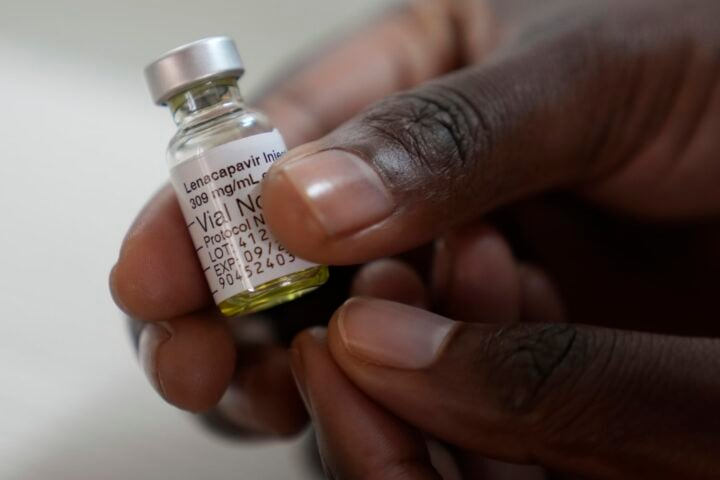
The Federal Government of Nigeria has confirmed that consignments of lenacapavir, a new long-acting injectable drug for HIV prevention, are expected to arrive in the country in March 2026 as part of an expanded national strategy to reduce new HIV infections and bolster prevention efforts. The announcement was made by the National Agency for the Control of AIDS (NACA), which said preparations are well advanced for the drug’s phased introduction and rollout as part of pre-exposure prophylaxis (PrEP) services across priority states.
Lenacapavir represents a new class of long-acting PrEP medications, administered via injection only twice a year, and has shown near-complete protection against HIV in large clinical trials. Studies have reported exceptionally high efficacy, with very few infections detected among study participants who received the drug, making it one of the most promising biomedical tools in the global HIV prevention portfolio. The World Health Organization (WHO) recently recommended twice-yearly injectable lenacapavir as an additional PrEP option alongside existing preventive technologies, underscoring its potential to address adherence challenges associated with daily oral regimens.
According to NACA, the planned arrival of consignments in March 2026 is part of the government’s commitment to accelerating progress toward HIV epidemic control and widening the prevention choices available to at-risk populations. The agency highlighted several milestones already achieved in readiness for the introduction. These include securing regulatory approval for lenacapavir from the National Agency for Food and Drug Administration and Control (NAFDAC) and completing landscape and preparedness assessments in ten states — Akwa Ibom, Anambra, Benue, Cross River, Ebonyi, Federal Capital Territory (FCT), Gombe, Kano, Kwara, and Lagos — to evaluate service delivery capacity and identify implementation gaps ahead of the rollout.
In addition to regulatory and assessment achievements, NACA said it has conducted a national “training-of-trainers” programme in Abuja and subsequent step-down training sessions for healthcare workers in the selected priority states. Information, education and communication (IEC) materials designed to support awareness creation and demand generation have also been developed to inform communities about the new prevention option and improve uptake once the drug becomes available.
The phased rollout strategy reflects a targeted approach to introduction, with initial implementation expected in high-burden and logistically prepared states while efforts continue to build broader capacity. Public health specialists see lenacapavir’s long-acting profile as potentially transformative because it addresses key barriers to effective HIV prevention, such as pill fatigue, stigma associated with daily medication, and difficulties in maintaining continuous adherence among certain populations.
Nigeria’s decision to adopt lenacapavir follows a global access agreement that significantly reduced the cost of the drug for low- and middle-income countries, including Nigeria. Through voluntary licensing arrangements with generic manufacturers, the annual cost of lenacapavir is expected to be substantially lower than initially projected, enhancing affordability and expanding its feasibility as a public health intervention across diverse settings.
Health analysts note that the success of the rollout will depend not only on the physical availability of the drug but also on how effectively health systems integrate the new option into existing HIV services. This includes strengthening counselling, testing, safe injection delivery and monitoring systems to ensure that individuals at high risk can access and benefit from PrEP with quality assurance and continuity of care.
Nigeria’s HIV epidemic remains a substantial public health challenge, with an estimated adult prevalence of about 1.3 per cent and approximately 1.9 million people living with HIV. Despite progress in expanding treatment access, significant gaps in prevention persist, particularly among young people and key populations at elevated risk. As a result, the introduction of lenacapavir as part of combination prevention strategies could play a crucial role in reducing new infections and advancing epidemic control goals.
Officials have urged continued multi-sector collaboration among government agencies, international partners, civil society organisations and community groups to ensure that the rollout is equitable, efficiently managed and supported by robust demand creation and health communication efforts. Community engagement and adherence support will be critical components, especially as Nigeria integrates this novel prevention tool into its comprehensive HIV response framework.
The expected arrival of lenacapavir in March 2026 positions Nigeria to join other countries in sub-Saharan Africa introducing long-acting PrEP options, potentially offering a more convenient and effective prevention strategy for millions of people at substantial risk of HIV acquisition.
📩 Stone Reporters News | 🌍 stonereportersnews.com
✉️ info@stonereportersnews.com | 📘 Facebook: Stone Reporters | 🐦 X (Twitter): @StoneReportNew | 📸 Instagram: @stonereportersnews
Add comment
Comments