

Reported by: Oahimire Omone Precious | Edited by: Jevaun Rhashan
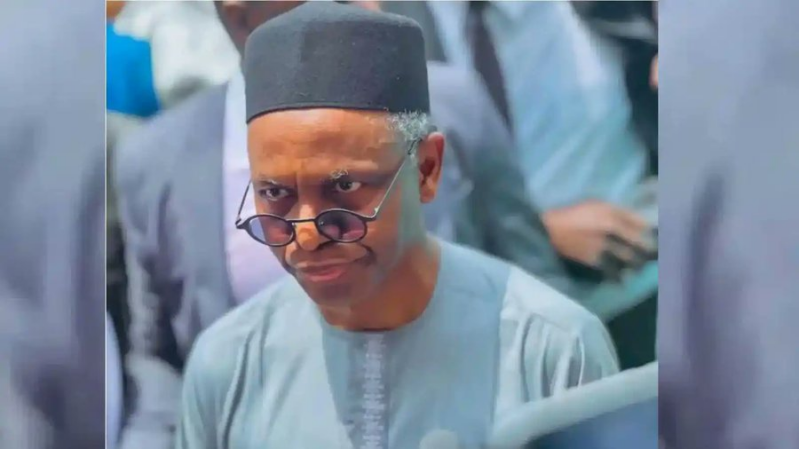
The Independent Corrupt Practices and Other Related Offences Commission (ICPC) has confirmed the recovery of equipment described by investigators as capable of intercepting telephone conversations and accessing sensitive security documents during a search operation conducted at the Abuja residence of Nasir Ahmad El‑Rufai, the former governor of Kaduna State. The commission stated that the operation forms part of an ongoing investigation into alleged corruption-related and security-sensitive activities linked to the former state executive.
According to the commission, the items recovered are undergoing forensic examination to determine their technical functionality, origin, and operational purpose. Officials did not publicly categorise the equipment as a confirmed surveillance-grade interception system but described it as materials allegedly capable of facilitating unauthorised monitoring of communications and electronic data. Security analysts have emphasised that the legal classification of such devices depends on technical certification, forensic verification, and contextual evidence establishing intent or usage.
The ICPC further disclosed that it obtained a judicial authorisation from the Magistrate Court in Bwari, Federal Capital Territory to detain El-Rufai for a period of fourteen days as part of the investigative process. The detention order is reportedly set to expire on Thursday, and officials have indicated that the period is required to allow investigators to conduct questioning, document evidence, and perform technical analyses related to the seized materials. Legal experts have noted that detention orders in corruption investigations are typically issued to prevent potential interference with evidence collection or witness coordination.
Sources within the commission stated that the search and subsequent recovery operation were conducted in accordance with judicial directives and established investigative protocols. Authorities have maintained that due process was followed throughout the operation, including securing appropriate court authorisation prior to executing the search warrant. Nigerian anti-corruption agencies generally rely on judicial oversight to ensure that investigative enforcement actions remain constitutionally compliant while pursuing financial or administrative misconduct allegations.
The development has generated significant political and public debate within Nigeria, given El-Rufai’s profile as a former state governor and prominent member of national political discourse. Supporters of the former governor have described the investigation as politically motivated, urging authorities to ensure transparency and fairness throughout the legal process. Critics, however, argue that high-ranking public officials must be subject to rigorous scrutiny when allegations involve security-related technology and possible misuse of state-level influence or intelligence-style equipment.
Nasir El-Rufai served as governor of Kaduna State between 2015 and 2023 under the platform of the All Progressives Congress, during which his administration pursued urban development reforms, security restructuring programmes, and controversial public sector policies that frequently generated both domestic praise and opposition criticism. Analysts have observed that post-office investigations involving former state governors are not uncommon in Nigeria, particularly in cases where political transitions prompt renewed examination of administrative decisions and financial management records.
The ICPC has not publicly confirmed whether any formal criminal charges have been filed against the former governor as of the time of reporting. Officials stated that investigations are still at a preliminary stage and that conclusions would depend on technical evaluation of recovered materials, witness statements, and supplementary intelligence analysis. Nigerian law enforcement practice generally requires completion of investigative procedures before prosecutorial recommendations are submitted to the courts.
Security and legal scholars have cautioned against premature conclusions regarding the purpose of the recovered equipment, noting that modern communication technology can sometimes resemble surveillance devices even when used for legitimate administrative or security functions. Determining whether the materials were intended for unlawful interception will require detailed forensic examination by certified technical experts and corroborating circumstantial evidence demonstrating misuse or intent to violate privacy or national security laws.
Public reaction to the development remains divided, reflecting Nigeria’s broader political environment where corruption investigations involving high-profile figures often trigger partisan debate. Civil society organisations have called for a transparent judicial review of the case to ensure that constitutional rights are protected while maintaining accountability standards for public office holders. The ICPC has reiterated its commitment to professional investigation and adherence to legal procedures throughout the inquiry.
As the 14-day detention period approaches expiration, attention will shift to whether prosecutors will seek further judicial extension, file formal charges, or release the former governor pending continued investigation. The outcome of the process is expected to attract substantial national interest due to El-Rufai’s political influence and the sensitivity of allegations involving electronic surveillance technology.
📩 Stone Reporters News | 🌍 stonereportersnews.com
✉️ info@stonereportersnews.com | 📘 Facebook: Stone Reporters | 🐦 X (Twitter): @StoneReportNew | 📸 Instagram: @stonereportersnews
Add comment
Comments