

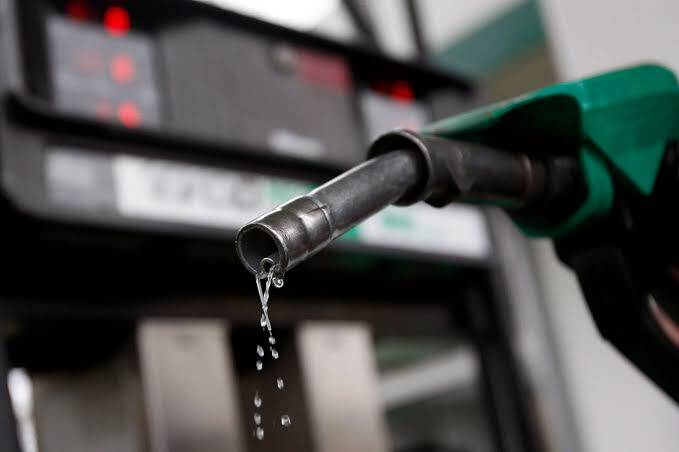
Calls have intensified across Nigeria for a reduction in petrol prices following a recent decline in global crude oil prices, with consumers, transport operators and civil society groups urging both the Federal Government and fuel marketers to reflect international market trends in domestic pump rates.
The renewed pressure comes amid widespread economic strain in Nigeria, where fuel costs continue to influence transport fares, food prices and broader inflationary trends affecting households and businesses. The appeal has gained momentum in recent weeks in major urban centres including Lagos, Abuja and Port Harcourt, where motorists and commuters have expressed frustration over what they describe as a slow adjustment of local fuel prices despite changing global conditions.
International crude oil prices have experienced fluctuations driven by shifting demand forecasts, production decisions by major exporting countries, and geopolitical developments affecting global supply chains. Analysts note that when crude prices fall, oil-importing and partially deregulated markets often face pressure to transmit such reductions to domestic consumers, although the speed and extent of adjustment vary depending on policy frameworks and market structure.
In Nigeria, the downstream petroleum sector has undergone significant changes since the removal of fuel subsidies, a policy shift that placed greater emphasis on market-driven pricing. Under this arrangement, retail prices are largely influenced by landing costs, foreign exchange rates, distribution expenses and margins set by marketers, rather than direct government control.
The NNPC Limited, which plays a central role in petroleum supply and distribution, alongside independent marketers, has not issued a unified statement responding to the latest public calls. However, industry stakeholders have in previous instances explained that domestic pricing is shaped by multiple variables beyond global crude oil movements alone.
Transport unions and consumer advocacy groups have been among the most vocal in recent days, arguing that reductions in crude oil benchmarks should translate into immediate relief at the pump. Some groups have also urged regulatory agencies to increase oversight of pricing structures to ensure transparency and prevent what they describe as “delayed pass-through effects” to consumers.
In Lagos, commercial drivers and commuters have described persistent pressure on household budgets, noting that transport costs remain high and continue to affect food distribution and daily commuting patterns. Similar sentiments have been reported in northern cities, where long-distance transport operators say operational costs remain elevated despite shifts in global oil markets.
Civil society organisations have also weighed in, calling for greater clarity in the pricing mechanism used by fuel marketers. They argue that improved transparency would help the public understand how international crude movements, exchange rates and logistics costs combine to determine retail pump prices.
Economists, meanwhile, have offered mixed assessments of the situation. Some argue that while global oil price reductions should eventually ease domestic fuel costs, Nigeria’s reliance on imported refined products and foreign exchange volatility may delay or dilute the impact. Others maintain that competitive market dynamics should naturally drive prices downward when input costs decline, provided that supply chains function efficiently.
The Federal Government has not issued a fresh policy directive on the matter in response to the latest public calls, but officials have in previous engagements maintained that the deregulated market framework is designed to allow prices to adjust according to real-time economic conditions. Authorities have also repeatedly stated that deregulation is intended to encourage investment in local refining capacity and reduce long-term dependency on imports.
Nigeria’s fuel pricing debate has historically been shaped by tensions between market liberalisation and public expectations of price stability. Under the previous subsidy regime, government intervention often insulated consumers from global price volatility, though it also created significant fiscal burdens. The current structure, while reducing government expenditure, has exposed consumers more directly to international market swings.
Recent developments in global crude benchmarks have therefore reignited public discussion about whether the benefits of lower oil prices are being adequately transmitted to end users. Many Nigerians argue that even partial reductions would provide meaningful relief amid rising costs of living, particularly in transport-dependent sectors of the economy.
Marketers, however, have in earlier explanations pointed to logistical expenses such as marine transportation, depot charges, storage costs and distribution margins as factors that influence final pump prices. They also cite foreign exchange rates as a major determinant, given that refined petroleum products are largely imported and priced in dollars.
Some energy analysts have suggested that price adjustments in deregulated environments often occur with a lag, as importers clear existing stock purchased at higher prices before reflecting new global rates. This lag effect, they argue, can create a temporary disconnect between international crude movements and domestic retail pricing.
Despite these explanations, public pressure continues to mount, with many citizens calling for a more responsive pricing system that better reflects global market realities. Social media platforms have amplified these demands, with hashtags and discussions centred on cost-of-living concerns and energy affordability trending periodically.
The debate also comes at a time when Nigeria is seeking to stabilise its broader macroeconomic environment, with policymakers focusing on inflation control, foreign exchange liquidity and energy sector reforms. Fuel pricing remains a sensitive component of these efforts due to its direct impact on transportation and commodity costs.
Industry observers note that sustained public engagement on fuel pricing could influence future regulatory adjustments, particularly if global crude prices continue to trend downward over an extended period. However, they also caution that structural factors within the domestic energy market will remain decisive in determining how quickly consumers feel the impact.
For now, the discussion reflects a familiar pattern in Nigeria’s energy landscape, where shifts in global oil markets quickly translate into domestic debate over affordability, fairness and economic policy direction. As pressure builds from consumers and stakeholders, attention remains on how quickly market forces and regulatory frameworks will align to determine the next phase of petrol pricing in the country.
Add comment
Comments