

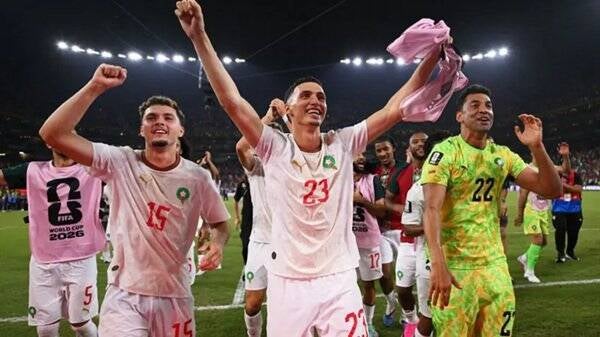
Morocco booked their place in the last 16 of the 2026 FIFA World Cup after defeating the Netherlands in a dramatic penalty shootout following a fiercely contested match in Monterrey, Mexico. The North African side delivered a disciplined and energetic performance, overcoming one of Europe’s strongest teams to continue their impressive tournament run and underline their growing reputation as a major force in world football.
The match, played on June 29, 2026, at the Estadio BBVA in Monterrey, saw Morocco dominate large periods of play through aggressive pressing, sharp transitions, and tactical discipline under head coach Walid Regragui. Despite controlling possession in dangerous areas and creating multiple chances, Morocco were repeatedly denied by Dutch goalkeeper Bart Verbruggen, whose string of saves kept the Netherlands in the contest. Morocco also struck the woodwork on more than one occasion, leaving their supporters frustrated but hopeful.
The Netherlands, managed by Ronald Koeman, struggled for rhythm against Morocco’s intensity but nearly stole victory late in the second half. In the 72nd minute, forward Cody Gakpo appeared to have delivered the decisive moment when he finished off a rapid counterattack with a powerful strike past Moroccan goalkeeper Yassine Bounou. The goal carried emotional weight, coming just days after Gakpo publicly revealed the heartbreaking loss of his unborn son, a personal tragedy that had drawn sympathy across the football world.
However, Morocco refused to surrender. Their persistence paid off in the closing stages when sustained attacking pressure finally broke the Dutch defensive line. With key players such as Achraf Hakimi, Sofyan Amrabat, and Hakim Ziyech driving the team forward, Morocco found the equaliser and reignited belief among their players and fans. The equalising goal shifted momentum entirely, with the Atlas Lions finishing regular time as the stronger side.
Extra time brought further drama as both teams searched for a winner. The Netherlands attempted to regain control by introducing fresh attacking options from the bench, while Morocco remained dangerous on the break. Fatigue became increasingly visible, but Morocco’s defensive organisation remained compact and disciplined. Central defenders and midfielders worked tirelessly to shut down Dutch attacks, forcing the European side into rushed decisions and speculative efforts.
With neither side able to find a decisive goal after 120 minutes, the match moved to penalties. The shootout quickly became a test of nerve and composure. Morocco displayed remarkable calm, converting their spot-kicks with confidence. Goalkeeper Yassine Bounou, already known globally for his heroics in penalty shootouts during previous international tournaments, once again rose to the occasion by making crucial saves that shifted pressure onto the Dutch players.
The decisive moment came when a Dutch penalty was stopped, handing Morocco the advantage they needed. Moroccan players sprinted toward Bounou in celebration as thousands of supporters erupted inside the stadium. The victory sparked emotional scenes both in Monterrey and back home in Morocco, where fans celebrated another historic achievement for African football.
This result carries major significance beyond the tournament itself. Morocco had already earned global admiration during the 2022 FIFA World Cup in Qatar, where they became the first African and Arab nation to reach the semi-finals. Their latest victory against the Netherlands reinforces the belief that that achievement was not a one-off but part of a broader rise built on strong coaching, player development, and tactical maturity.
For the Netherlands, the defeat will raise difficult questions. Expectations were high for a squad featuring established stars and emerging talents, yet they struggled to impose themselves against a determined Moroccan side. Coach Ronald Koeman may face scrutiny over tactical choices and the team’s inability to convert key moments into victory.
For Morocco, meanwhile, confidence will be soaring ahead of the knockout stage. The blend of European-based experience, technical quality, and fierce national pride has turned them into one of the most dangerous teams in the competition. Their ability to remain composed under pressure, particularly in high-stakes moments, continues to set them apart.
As the World Cup moves deeper into its knockout phase, Morocco’s latest triumph sends a clear message to the rest of the field: underestimate them at your own risk. They are no longer just underdogs capable of surprises—they are genuine contenders capable of challenging football’s traditional giants.
📩 Stone Reporters News | 🌍 stonereportersnews.com
✉️ info@stonereportersnews.com | 📘 Facebook: Stone Reporters News | 🐦 X (Twitter): @StoneReportNew | 📸 Instagram: @stonereportersnews
Add comment
Comments