

Reported by: Ijeoma G | Edited by: Gabriel Osa
In the rapidly unfolding military confrontation between the United States and Iran, the Pentagon and US Central Command (CENTCOM) have publicly stated that American forces have carried out strikes on Iranian naval assets in the Gulf of Oman, significantly degrading Tehran’s maritime presence in the strategically vital waterway. While some reports from US defence sources claim all Iranian vessels in the Gulf of Oman have been neutralised, independent verification and confirmation from multiple global news outlets indicates the situation is more nuanced and part of wider regional hostilities.
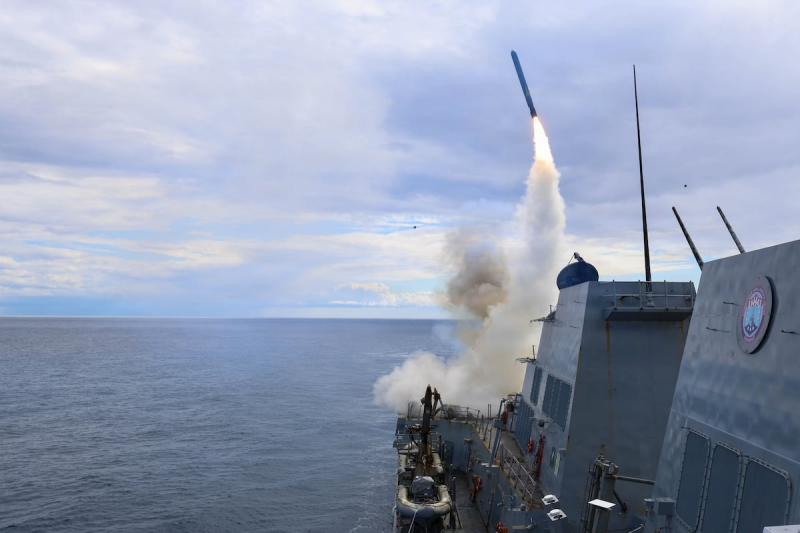
According to official statements attributed to US military leadership, 11 Iranian naval vessels that were reportedly present in the Gulf of Oman two days earlier have been struck as part of ongoing operations. CENTCOM shared a statement suggesting that where those ships once operated, they no longer do, signalling a substantial blow to Iranian maritime forces in that area. The announcement framed the action as a defensive measure aimed at curbing long-standing harassment of international shipping lanes — particularly near the entrance to the Strait of Hormuz, which carries nearly a fifth of the world’s oil exports.
In addition to this broad claim about the naval fleet’s status, the Pentagon has confirmed that at least one Iranian Navy Jamaran-class warship was sunk by US strikes while docked at Chah Bahar in the Gulf of Oman. The Jamaran class is considered among Iran’s more capable surface combatants, equipped for multiple types of naval warfare. The Central Command said this strike occurred after the opening phase of what has been described as Operation Epic Fury, a campaign launched in conjunction with Israeli strikes on Iran earlier in the conflict.
Though the US and allied forces have reported a significant degradation of Iranian naval assets, reporting from major international news agencies indicates that claims about the total destruction or sinking of all 11 vessels are based on American statements and have not been fully independently verified by external sources. Some media accounts also quote statements from US political leadership saying nine Iranian ships have been sunk and that further action is planned — figures that vary slightly from the CENTCOM messaging but align in conveying heavy damage to Iran’s naval presence.
These naval strikes are part of a broader, rapidly escalating conflict in the Middle East that began with joint US-Israeli air operations against Iranian targets in late February 2026 following high-level hostilities between Tehran and Western states. Those operations have included hundreds of airstrikes against Iranian military infrastructure, missile sites, and command facilities, and have been accompanied by intense Iranian retaliation across multiple fronts, including missile and drone attacks on US and allied positions throughout the Gulf region.
Satellite imagery interpreted by some defence analysts shows fires at Iran’s major naval headquarters in Bandar Abbas, further suggesting significant damage to Iran’s maritime capabilities. This imagery and related intelligence analyses depict destruction at ports and naval bases that historically host both logistical support ships and combat vessels. However, experts caution that absolute confirmation of the total number of vessels destroyed or sunk remains difficult without independent on-the-ground corroboration.
Iran has not publicly confirmed detailed losses of its naval fleet in the Gulf of Oman, and Iranian state media coverage of the strikes emphasises broader condemnation of the US-Israeli campaign, efforts to maintain maritime operations, and threats of retaliation. Tehran’s officials have also declared the closure of the Strait of Hormuz, vowing to target any vessel attempting passage, a move that could further destabilise global energy exports and increase geopolitical tensions if enforced in practice.
The broader conflict has triggered a surge in attacks on commercial maritime traffic, with several merchant vessels struck by drones or missiles in the region, and maritime security firms reporting significant disruptions to navigation due to electronic interference and safety concerns. These developments have compounded international alarm about potential spillover effects on global shipping and fuel markets.
At the Pentagon, military officials have been careful to characterise the naval strikes as part of coordinated defensive operations rather than a declaration of conventional war. Briefings emphasise that the strikes aim to neutralise military threats and protect international shipping lanes rather than pursue indefinite conflict, even as casualties on both sides have been reported.
While US defence messaging has been unequivocal in framing the Iranian naval threat as effectively removed from the Gulf of Oman, independent verification remains limited amid an active and fluid conflict environment. Global news organisations note the difficulty of confirming battlefield claims without access to contested zones, and suggest that figures cited by military sources should be understood as part of the broader strategic communication surrounding an ongoing regional confrontation.
Stone Reporters note: At this stage, multiple sources indicate that the US has struck and neutralised several Iranian naval vessels as part of Operation Epic Fury, and that Centcom claims all 11 vessels in the Gulf of Oman are no longer operational. These combat developments should be regarded in the context of a wider conflict marked by severe escalations and reciprocal military actions, and official counts may remain subject to revision as further independent evidence becomes available.
📩 Stone Reporters News | 🌍 stonereportersnews.com
✉️ info@stonereportersnews.com | 📘 Facebook: Stone Reporters | 🐦 X (Twitter): @StoneReportNew | 📸 Instagram: @stonereportersnews
Add comment
Comments