

Reported By Mary Udezue | Edited by: Gabriel Osa
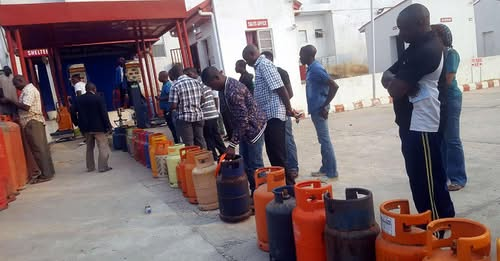
LAGOS, Nigeria — Depot owners across Nigeria have increased the price of Liquefied Petroleum Gas (LPG), commonly referred to as cooking gas, by an average of ₦100 per kilogram, a move linked to rising global crude oil prices triggered by escalating geopolitical unrest in the Middle East, industry sources report.
The hike comes as international energy markets have experienced volatility following military strikes by the United States and Israel on Iranian targets, which have disrupted crude oil production and shipping routes in and around the strategic Strait of Hormuz — a maritime chokepoint through which about one-fifth of the world’s oil supply normally transits. This disruption has contributed to a sharp rise in crude benchmarks, with Brent and other global grades trading at their highest levels in months.
As a direct consequence, LPG suppliers and depot operators in Nigeria, which links domestic energy pricing to international crude market movements, responded by adjusting retail levies upwards. The additional N100 per kilogram increase affects multiple states and comes on top of already elevated local LPG costs, placing further pressure on household energy budgets and small business operations.
Market analysts say the decision by depot owners reflects rising landing costs, transport logistics challenges, and the increased cost of importing portions of Nigeria’s LPG supply that remain priced against global energy benchmarks. Although Nigeria has made strides in domestic gas production — including contributions from local refineries that accounted for a significant share of domestic LPG supply in recent years — prices remain sensitive to international market disruptions.
The Federal Government has championed investments in gas infrastructure and initiatives to bolster local LPG availability, aiming to reduce dependence on imported finished products and stabilise prices over the long term. Officials have reiterated commitment to programmes designed to expand domestic LPG capacity and promote price stability for consumers.
Despite these efforts, short-term volatility in the global oil and gas markets has translated into immediate cost increases for Nigerian consumers, many of whom rely on LPG as a cleaner and more efficient alternative to traditional fuels like kerosene and firewood. Rising domestic costs risk complicating Nigeria’s energy transition plans and may dampen broader adoption of LPG for household cooking — a key policy goal.
Consumers have responded with concern, noting that the increased cost of cooking gas adds to a broader cost-of-living squeeze already felt across Nigeria’s economy, driven by inflationary pressures on food, transport, and other essential goods. Many households say the latest LPG price adjustment will compel them to revert to less efficient and potentially harmful cooking fuels, reversing prior gains in clean energy use and posing environmental and health implications.
Industry stakeholders also warn that if international tensions persist and global energy prices remain elevated, further adjustments to LPG pricing cannot be ruled out, especially if freight, insurance and importary costs continue to rise in response to geopolitical risk.
For now, the price increase reflects broader global energy market dynamics intersecting with Nigeria’s domestic fuel economy, highlighting the vulnerability of sensitive consumer goods to international crude oil shocks and the need for accelerated efforts to shore up local energy resilience.
📩 Stone Reporters News | 🌍 stonereportersnews.com
✉️ info@stonereportersnews.com | 📘 Facebook: Stone Reporters | 🐦 X (Twitter): @StoneReportNew | 📸 Instagram: @stonereportersnews
Add comment
Comments