

Reported by: Ijeoma G | Edited by: Gabriel Osa
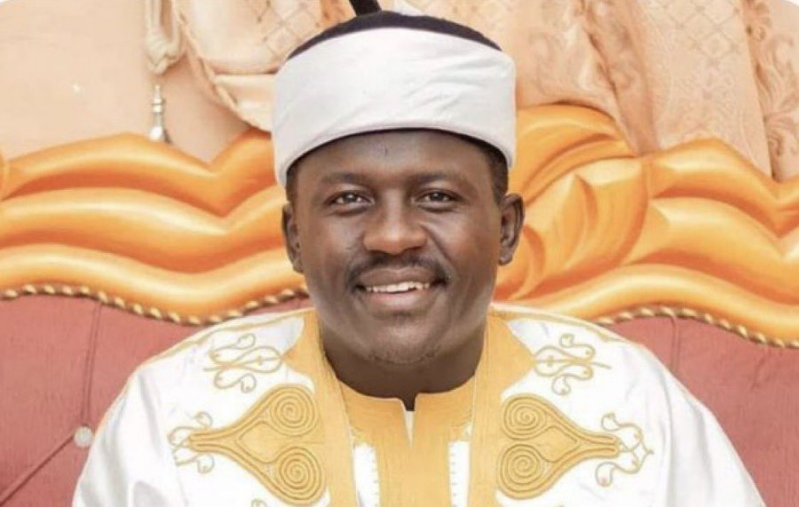
A prominent Islamic cleric in northern Nigeria has been suspended from delivering Ramadan sermons after remarks he made about political leaders triggered widespread controversy and debate across the country. The cleric, Sheikh Alkali Abubakar Salihu Zaria, was removed from his position as a Ramadan preacher in Damaturu, the capital of Yobe State, following a sermon in which he criticised Nigeria’s political leadership and suggested that state governors feared President Bola Ahmed Tinubu more than they feared God.
The suspension was imposed by the leadership of Jama’atu Izalatil Bid’ah Wa Iqamatis Sunnah, commonly known as JIBWIS, one of the largest and most influential Islamic organisations in West Africa. The decision was reportedly taken after an internal meeting led by the organisation’s Council of Ulama under Sheikh Muhammad Sani Yahaya Jingir, who serves as the council’s national chairman. The group concluded that the cleric’s sermon deviated from the established preaching methodology expected during Ramadan Qur’anic exegesis sessions known as Tafsir.
Sheikh Alkali had been assigned by the organisation to conduct the annual Tafsir lectures at the Mokas Mosque in Damaturu during the holy month of Ramadan. These lectures are traditionally held nightly and involve detailed interpretations of the Qur’an delivered to large congregations of worshippers. According to reports, the cleric had already delivered sermons for about eleven days before the controversy erupted and the leadership intervened.
The controversy began during one of the Tafsir sessions in which the cleric strongly criticised political leaders over the worsening security situation in northern Nigeria. In his sermon, Sheikh Alkali described the suffering endured by victims of banditry and kidnapping, crimes that have plagued several northern states for years. He recounted how abducted victims are frequently beaten and mistreated while their families struggle to negotiate ransom payments. His comments were delivered during Ramadan, a period when many clerics address moral and social issues affecting Muslim communities.
As he expanded his message, the cleric turned his attention to political leadership and governance in Nigeria. He accused state governors and other officials of failing to confront insecurity and suggested that political loyalty to powerful figures had replaced accountability to the public. During that address he made the statement that quickly went viral online, saying that governors appeared to fear President Tinubu more than they feared Allah.
The sermon contained additional criticism of Nigeria’s political environment. The cleric suggested that members of the ruling All Progressives Congress were often treated differently from political opponents and that political allegiance had become more important than addressing the hardship experienced by citizens. His comments also included rhetorical questions about leadership and governance, accusing political elites of misleading the public and failing to resolve the security crisis affecting large parts of the country.
Within days, recordings of the sermon circulated widely across social media platforms, generating strong reactions from Nigerians both within and outside the Muslim community. Some viewers praised the cleric’s remarks, arguing that religious leaders have a duty to speak out against injustice, insecurity and poor governance. Others criticised the tone of the sermon, saying the use of a religious pulpit for political criticism could inflame tensions and distract from the spiritual purpose of Ramadan gatherings.
In response to the growing controversy, JIBWIS leadership announced that Sheikh Alkali would no longer continue the Ramadan Tafsir sessions in Damaturu. The organisation stated that the suspension was necessary to maintain discipline and preserve the integrity of religious preaching. Leaders of the group said the cleric’s language and approach were inconsistent with the group’s established preaching style, which traditionally avoids direct political confrontation during religious lectures.
Sources familiar with the decision said the cleric was subsequently summoned to the organisation’s national headquarters in Jos, Plateau State, where he met with senior scholars and presented his explanation regarding the sermon. According to reports, he acknowledged the concerns raised by the leadership and accepted the disciplinary decision taken by the organisation.
Despite the suspension, Sheikh Alkali responded publicly in a calm tone. In a message shared online with his followers, he urged supporters to remain disciplined and avoid protests or confrontations over the issue. He described the situation as part of divine destiny and encouraged believers to respect the authority of the religious organisation responsible for coordinating the Tafsir sessions.
The incident has triggered a broader debate in Nigeria about the role of religious leaders in political discourse. In many parts of the country, mosques and churches serve not only as places of worship but also as spaces where social and political issues affecting communities are discussed. Clerics often command large audiences and can influence public opinion on matters ranging from governance to social justice.
Northern Nigeria in particular has a long tradition of Islamic scholars addressing political matters during sermons, especially when issues such as insecurity, corruption or economic hardship affect local communities. However, religious organisations sometimes attempt to regulate such commentary to prevent sectarian tension or political conflict, particularly during sensitive periods such as Ramadan.
Security analysts have also noted that authorities in northern Nigeria remain cautious about rhetoric that could heighten political or sectarian tensions. The region has experienced years of violence linked to insurgency, banditry and communal conflict, making public discourse around politics and religion especially sensitive.
The suspension of Sheikh Alkali has therefore become more than an internal disciplinary action within a religious organisation. It has also highlighted the delicate balance between religious freedom, political criticism and institutional control within Nigeria’s complex social landscape. For many observers, the episode reflects the broader tensions between religious authority and political power in a country where faith and governance remain deeply intertwined.
As Ramadan continues, another scholar is expected to take over the Tafsir sessions at the Mokas Mosque in Damaturu. Meanwhile, discussions about Sheikh Alkali’s sermon and his suspension continue across northern Nigeria, with supporters and critics debating whether his remarks represented courageous truth-telling or an inappropriate politicisation of the religious pulpit.
📩 Stone Reporters News | 🌍 stonereportersnews.com
✉️ info@stonereportersnews.com | 📘 Facebook: Stone Reporters | 🐦 X (Twitter): @StoneReportNew | 📸 Instagram: @stonereportersnews
Add comment
Comments