

Reported By Mary Udezue | Edited by: Gabriel Osa
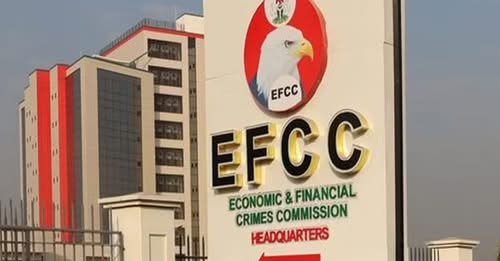
Operatives of the Enugu Zonal Directorate of the Economic and Financial Crimes Commission have detained 24-year-old Iziga Jude Ikechukwu, widely known by his social media nickname “Easy-Money,” in connection with allegations that he violated Nigerian currency laws by abusing naira notes during his recent birthday festivities in Enugu State. The arrest follows a growing enforcement focus on currency abuse that has increasingly drawn public attention amid social media circulation of the celebratory event.
The suspect was apprehended after videos and photographs shared on various platforms showed him and guests apparently engaging in the controversial practice of “spraying” naira banknotes — throwing or handling currency notes in a manner considered damaging or disrespectful — at his birthday party. While money spraying is a culturally familiar expression of celebration in many Nigerian social contexts, under Nigerian law such conduct may amount to currency abuse or defacement, which is prohibited and punishable under the Central Bank of Nigeria Act and related financial regulations.
In the social media clips that circulated widely, Ikechukwu was seen at the centre of a crowded venue surrounded by well-wishers and music, with bundles of naira notes visibly tossed or scattered in ways that potentially undermined the physical integrity of the currency. The EFCC, acting on the viral dissemination of the footage, mobilised its Enugu command officers to identify and detain the individual for questioning and possible prosecution.
Upon his arrest, the suspect was taken into custody by the anti-graft agency, which has reportedly begun detailed inquiries into the circumstances of the party, the source of the funds used, and the extent to which the acts shown in the footage violated the law. Investigators are examining the video evidence, interviewing witnesses and documenting the event to assess whether formal charges will be filed against Ikechukwu for alleged currency abuse.
The EFCC’s recent actions reflect a broader crackdown on currency abuse that has intensified over the past year. Enforcement authorities, including the commission and the Central Bank of Nigeria, have repeatedly emphasised that spraying, stamping on, or otherwise mishandling naira notes in public gatherings is not a cultural practice exempt from legal scrutiny, but a punishable offence that contributes to the deterioration and defacement of the nation’s currency.
Under Nigerian law, an offence of currency abuse can attract penalties including fines and imprisonment, though the severity of any sanction depends on the specific charges and judicial interpretation. High-profile cases in recent years have demonstrated the legal consequences of such conduct: in 2024, social media personality Idris Okuneye, known as Bobrisky, was convicted and sentenced to six months’ imprisonment for naira abuse after similar conduct at a public event.
The EFCC’s enforcement strategy seeks to uphold national laws and discourage practices that lead to the accelerated wear and tear of banknotes, which can impose significant costs on currency management systems. The commission has stated that actions against currency abuse are part of a wider effort to enforce financial discipline and protect the integrity of the national currency, particularly at a time when the naira has faced economic pressures in value and circulation.
The arrest of “Easy-Money” has reignited debate on social and digital platforms about the line between cultural tradition and legal constraint. Money spraying remains deeply embedded in celebratory customs at weddings, birthdays and other events across parts of West Africa, serving as a symbolic gesture of generosity and goodwill. However, regulatory authorities maintain that cultural acceptance does not override statutory prohibitions on currency defacement, asserting that all citizens and residents are obliged to respect and protect the national currency.
Commentary among legal observers and public commentators has highlighted this enforcement trend, with some arguing that focusing on social practices like money spraying may distract attention from larger financial crimes, while others insist that upholding monetary laws is integral to national economic stability. Regardless of public opinion, the EFCC appears committed to monitoring and acting on evidence of currency abuse wherever it emerges online or in physical gatherings.
At this stage, details regarding whether formal charges have been filed, what specific counts Ikechukwu might face, or whether he has retained legal representation remain unclear. The EFCC typically releases official statements at key points in such investigations, and follow-up actions by the agency may include prosecution at a federal high court if sufficient evidence is assembled.
As the case proceeds, it may attract continued public commentary given its intersection of culture, social media visibility and enforcement of financial law. The outcome could also influence how authorities handle similar incidents in future, especially involving young social media personalities whose gatherings go viral and prompt law enforcement interest.
📩 Stone Reporters News | 🌍 stonereportersnews.com
✉️ info@stonereportersnews.com | 📘 Facebook: Stone Reporters | 🐦 X (Twitter): @StoneReportNew | 📸 Instagram: @stonereportersnews
Add comment
Comments