

Reported By Mary Udezue | Edited by: Gabriel Osa
Survivors and community sources from Borno State have sounded the alarm following a brutal attack by suspected Boko Haram or Islamic State West Africa Province (ISWAP) fighters on Ngoshe town in Gwoza Local Government Area, highlighting a deepening humanitarian and security crisis in the region. The assault, which took place soon after residents broke their fast during the Muslim holy month of Ramadan, left scores dead, many villagers missing or abducted, and hundreds displaced.
According to Senator Mohammed Ali Ndume, representing Borno South, insurgents launched a coordinated offensive on the Ngoshe community in the evening, targeting both civilians and security personnel. Ndume confirmed that an unspecified number of civilians — including community elders and the chief imam — as well as soldiers were killed during the violence, which also disrupted efforts by Nigerian forces to protect the area.
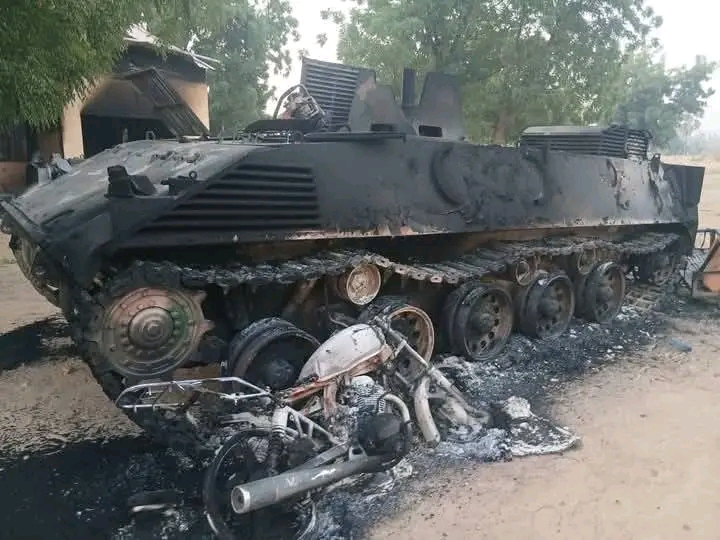
Eyewitnesses and local informants told reporters that Islamist fighters first overran an 82 Division Task Force military base and a nearby internally displaced persons (IDP) camp, forcing many residents to flee in panic. During the attack, militants reportedly used powerful weaponry, outgunning the local troops and leaving security positions compromised.
In the chaos that followed, terrorists are reported to have captured more than 100 civilians — mainly women and children — in addition to unverified numbers of other residents who remain missing, according to local sources and subsequent media reporting. Families of those abducted began organising themselves and seeking information from security agencies, while many other villagers fled to neighbouring settlements, such as Pulka, which has become a temporary refuge for the displaced.
Survivors recounted scenes of terror as gunmen moved through the town, killing community leaders and centre figures, and taking captives before withdrawing from the area. Some said that elderly people, who could not flee quickly with others, were among those left behind, and that reports of bodies being seen in and around Ngoshe in the aftermath fuelled fears that several civilians were killed as they attempted to escape or que the attackers during the raid.
The violence in Ngoshe unfolded with devastating human consequences. Thousands of civilians, primarily women and children displaced by earlier insurgency campaigns and resettled in communities around the Mandara Mountains, were forced to flee again. Many saw family members separated or abducted in the assault, with survivors now pressing for urgent rescue and accountability efforts amid deepening anguish.
The attack has reignited concerns about the capacity of security forces to protect rural communities in Borno and surrounding states, even as the military continues counter-insurgency operations such as Operation Hadin Kai and Operation Desert Sanity V targeting militant strongholds in the Sambisa Forest and Mandara areas. Ndume criticised the lack of sustained military support and modern equipment, emphasising that insurgents remain potent despite intensified Nigerian and multinational efforts.
Ngoshe, once a resettlement community for people displaced by Boko Haram violence, has been vulnerable to renewed attacks because of its relative remoteness and the persistence of insurgent cells in nearby forests. Prior to the recent assault, local informants reported intermittent threats and extremist activity in the area, but the scale of this attack overwhelmed community defences and compelled large-scale movement of civilians.
Eyewitness accounts also allege that insurgents set buildings, including houses and infrastructure, on fire and destroyed property valued at millions of naira during their withdrawal, exacerbating the destruction and long-term disruption of normal life in the town. While an official casualty count has not been released, community reports described multiple deaths and injured persons among both civilians and members of the armed forces.
The abductions have sharply revived memories of earlier mass kidnappings carried out by Boko Haram in Borno State, including attacks on schools and rural communities dating back to the group’s insurgency beginning in 2009. Historically, such abductions have included not only children but also women and men of all ages, with some victims forced into captivity, indoctrination or forced marriage by the militants.
Humanitarian agencies and rights groups have repeatedly called on Nigerian authorities and international partners to prioritise civilian protection measures, strengthen early warning systems, and guarantee timely rescue efforts when attacks occur. The latest Ngoshe raid underscores persistent gaps in security coverage and urgent humanitarian needs, particularly for displaced families now living in precarious conditions outside the town.
Local leaders have pleaded for reinforcements and comprehensive relief support for survivors, including food, medical assistance and psychological care for those traumatised by the attack. Many families are seeking information on missing relatives, while security sources continue to investigate the movement of insurgents and monitor the possibility that abducted civilians may be taken deeper into militant-controlled forest areas.
The deadly Ngoshe attack remains under active reporting as security operations continue in Borno State and humanitarian agencies attempt to address the needs of fleeing residents and relatives of the abducted. Authorities have yet to issue a detailed breakdown of casualties or confirmed figures on the number of people left behind or the number of bodies recovered, leaving communities anxious for clear updates on the fate of missing loved ones.
📩 Stone Reporters News | 🌍 stonereportersnews.com
✉️ info@stonereportersnews.com | 📘 Facebook: Stone Reporters | 🐦 X (Twitter): @StoneReportNew | 📸 Instagram: @stonereportersnews
Add comment
Comments