

Reported by: Ijeoma G | Edited by: Gabriel Osa
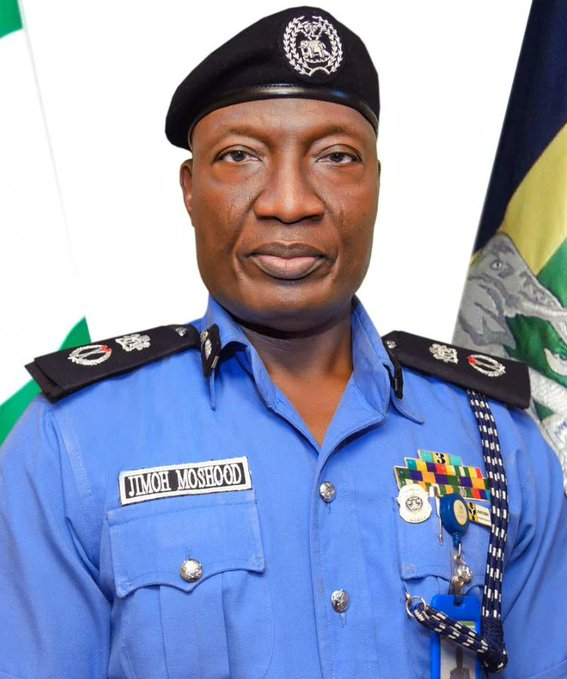
The Lagos State Police Command has dismissed four police officers implicated in the killing of seven traders at the Owode-Onirin Motor Spare Parts Market, an incident rooted in a violent land dispute that escalated into one of the most controversial security crises in Lagos in recent years. The announcement was made by Lagos State Commissioner of Police Olohundare Jimoh during a press briefing in Ikeja, where he confirmed that disciplinary measures had been taken against the officers while criminal prosecution against all suspects involved in the case is being prepared.
The deadly incident occurred on August 27, 2025, in the Owode-Onirin area of Kosofe Local Government Area, a densely populated commercial corridor known for its large spare-parts market and clusters of mechanic workshops. According to police accounts and eyewitness reports, the violence began when a businessman allegedly arrived at the disputed land accompanied by armed men and security operatives who attempted to force traders and mechanics to vacate the premises. The confrontation quickly spiralled into violence when traders resisted what they believed to be an illegal takeover of the land and their shops. Gunfire erupted during the clash, leaving several people shot and triggering panic throughout the busy market environment.
Initial reports indicated that five traders were killed at the scene of the shooting while others sustained severe injuries. Two of the wounded victims later died in hospital, bringing the total death toll to seven. The killings triggered widespread outrage among traders’ associations, human rights organisations and residents who demanded accountability for the tragedy.
Investigators later linked the incident to a long-running land dispute involving a property developer identified as Abiodun Ariori, who was subsequently declared wanted by the Lagos State Police Command. Authorities alleged that Ariori recruited armed men and brought police officers from outside Lagos State to enforce his claim over the disputed property. According to police findings, the officers allegedly travelled from Nasarawa State and were deployed at the disputed site during the confrontation that ended in bloodshed.
The involvement of police personnel in the attack intensified public anger and prompted calls for an independent investigation into the circumstances of the killings. Civil society groups accused those behind the operation of using security officers as private enforcers in a commercial land conflict, a practice critics say has become increasingly common in some parts of Nigeria’s commercial centres.
Following the incident, the Lagos State Police Command launched a full investigation led by the State Criminal Investigation Department. Officers involved were detained and subjected to internal disciplinary proceedings known as orderly room trials, a formal process used by the Nigeria Police Force to determine misconduct by its personnel.
Commissioner Jimoh confirmed that the disciplinary process had resulted in the dismissal of four officers who were found culpable during the investigation. He stressed that the police command was determined to ensure justice for the victims and their families and insisted the case had not been abandoned despite earlier public concerns.
The police chief explained that investigators had nearly completed the inquiry, noting that ballistic examinations of the rifles used during the incident had already been received. Autopsy reports on the victims had also been compiled as part of the evidentiary material needed for prosecution. According to him, the investigation had reached about 98 percent completion, paving the way for the suspects to be formally charged in court.
Jimoh described the shooting as the unlawful killing of innocent traders and assured the public that all individuals connected to the incident would face legal consequences. He emphasised that disciplinary action against the officers demonstrated the police command’s commitment to accountability and professional conduct within the force.
The Owode-Onirin killings also exposed deeper tensions surrounding land ownership in Lagos, a megacity where rising property values have intensified disputes between developers, local communities and traders. Analysts say such conflicts often involve “omo-onile” groups, commonly described as land-control gangs, who claim ancestral ownership of property and sometimes employ intimidation or violence to enforce those claims. Despite legislation introduced by the Lagos State Government to curb land grabbing, enforcement challenges have allowed some disputes to escalate into violent confrontations.
In the aftermath of the attack, market activities at Owode-Onirin were temporarily disrupted as traders fled the area for safety. Police and security units were later deployed to restore order and prevent further violence. Authorities also intensified patrols in surrounding communities to reassure residents and business owners.
Families of the slain traders have continued to demand justice months after the incident, urging the federal government and police authorities to ensure all those responsible are prosecuted. Some victims’ relatives have also called for compensation and medical assistance for injured traders who survived the attack.
Human rights advocates have argued that the case illustrates the need for stricter oversight of security personnel and stronger enforcement of anti-land-grabbing laws in Lagos. They warn that the misuse of armed officers in private disputes undermines public trust in law enforcement and increases the risk of violent outcomes.
The prime suspect in the case, Abiodun Ariori, eventually presented himself to police investigators after being declared wanted, arriving at the Lagos State Police Command headquarters with his legal team for questioning. Authorities subsequently transferred him to the homicide section of the State Criminal Investigation Department to assist with the ongoing investigation.
As the case moves toward prosecution, the Lagos State Police Command maintains that all suspects involved in the Owode-Onirin killings will face trial. Commissioner Jimoh reiterated that the command would continue to pursue justice for the victims while reinforcing internal discipline within the force to prevent similar incidents in the future.
For traders who work daily in the sprawling spare-parts market, the tragedy remains a stark reminder of how quickly commercial disputes can escalate into deadly violence. While many have returned to business, the memory of the gunfire that tore through the market and the loss of colleagues continues to linger, reinforcing calls for stronger protection of traders and stricter control over land disputes in Nigeria’s economic capital.
📩 Stone Reporters News | 🌍 stonereportersnews.com
✉️ info@stonereportersnews.com | 📘 Facebook: Stone Reporters | 🐦 X (Twitter): @StoneReportNew | 📸 Instagram: @stonereportersnews
Add comment
Comments