

Reported by: Ijeoma G | Edited by: Gabriel Osa
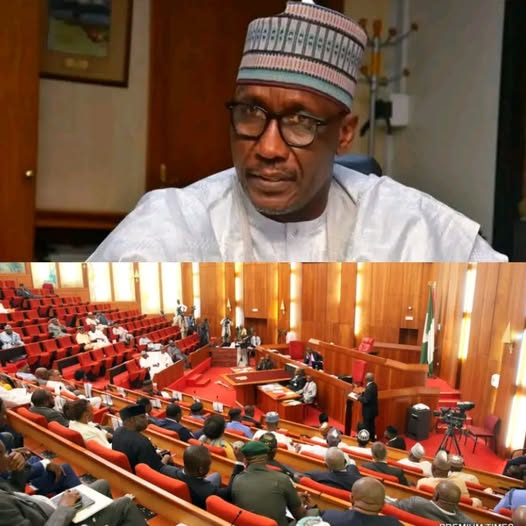
Nigeria’s Senate has intensified its scrutiny of the country’s national oil company after summoning former top executives of the Nigerian National Petroleum Company Limited (NNPC Limited) to explain an alleged ₦210 trillion discrepancy uncovered in the firm’s financial records. The development marks one of the largest financial accountability probes in the history of Nigeria’s oil sector, raising fresh concerns about transparency in the management of Africa’s largest crude oil producer.
The summons was issued by the Senate Committee on Public Accounts, chaired by Senator Aliyu Wadada, following the review of audited financial statements covering the period from 2017 to 2023. Lawmakers say the reports revealed massive figures that were either not properly explained or lacked sufficient supporting documentation. The committee has invited former Group Chief Executive Officer Mele Kyari, former Chief Financial Officer Umar Ajia Isa, and several other officials who served during the period under review to appear before the panel and clarify the discrepancies.
According to the committee, the controversial figure of ₦210 trillion emerged from two major entries in the company’s audited accounts. One part of the amount—about ₦103 trillion—was recorded as accrued or cumulative expenses related to operations and joint venture activities. Another ₦107 trillion appeared as “sundry receivables,” meaning funds that the company claims are owed by various entities, including banks and other institutions. Lawmakers have expressed concern that the explanations provided by the company so far are inadequate and inconsistent with other financial records.
Senator Wadada said the committee had previously raised 19 detailed audit queries after reviewing the financial statements but was dissatisfied with the responses submitted by the company. He stressed that the Senate was not accusing anyone of theft but was demanding a full accounting of public resources. According to him, the responsibility of the legislature is to ensure transparency and accountability in the use of national revenue, particularly in the petroleum sector, which remains the backbone of Nigeria’s economy.
The Senate panel has now directed the former management team of NNPC Limited to appear in person before the committee alongside the current leadership of the company, as well as external auditors who worked with the organisation during the years under investigation. Lawmakers say their testimonies are necessary to clarify how such large sums were recorded in the company’s books and whether the figures represent actual financial liabilities, accounting adjustments, or unremitted revenues.
Officials have warned that failure to honour the invitation could lead to more serious consequences. The committee has stated that it is prepared to invoke the powers of the National Assembly to compel attendance, including issuing arrest warrants for individuals who ignore the summons. Such measures, lawmakers say, are provided for under Nigeria’s legislative oversight powers when public officials fail to cooperate with parliamentary investigations.
The probe also extends beyond the ₦210 trillion discrepancy itself. During preliminary hearings, lawmakers raised additional questions about several financial decisions taken by the national oil company during the same period. Among the issues being examined is the reported expenditure of about ₦5 billion on the rebranding process that transformed the former Nigerian National Petroleum Corporation into the Nigerian National Petroleum Company Limited following the implementation of the Petroleum Industry Act.
The transformation of NNPC into a limited liability company was intended to introduce corporate governance standards similar to those used by private energy firms. However, the Senate committee says that even under the new structure, the company remains accountable to the Nigerian public because it is wholly owned by the federal government. Lawmakers argue that such a major corporate transition should not obscure the need for clear and transparent financial reporting.
Another key concern raised by the committee involves the classification of certain production costs and operational expenditures. Senators have questioned why some costs were reportedly charged directly against crude oil revenues when the national oil company itself does not directly produce crude oil but rather operates through joint ventures and production-sharing agreements with international oil companies. The panel has asked the company to explain the accounting methodology used in these transactions.
To strengthen the investigation, the committee has recommended that the Office of the Auditor-General for the Federation conduct a forensic audit of NNPC Limited’s financial statements for the entire 2017–2023 period. Lawmakers believe such an independent review would help determine whether the discrepancies are the result of accounting practices, administrative errors, or deeper financial irregularities.
The probe has drawn significant public attention in Nigeria, where debates over the transparency of the oil sector have persisted for decades. Nigeria is Africa’s largest oil producer and relies heavily on petroleum exports for government revenue and foreign exchange earnings. Yet the sector has long been plagued by allegations of mismanagement, subsidy controversies, and disputes over the remittance of oil income to the national treasury.
Mele Kyari, who served as the head of the national oil company from 2019 until 2025, oversaw major reforms in the industry, including the implementation of the Petroleum Industry Act and the transition of NNPC into a commercially oriented entity. Supporters of his administration argue that many financial figures in the company’s accounts reflect complex operational structures rather than missing funds. Critics, however, maintain that the public deserves a clear explanation for any unexplained trillions of naira appearing in national accounts.
Stone Reporters note that the Senate’s investigation comes at a time when Nigeria is grappling with economic challenges, including high inflation, currency volatility, and growing public debt. Transparency in the management of oil revenues is widely viewed as essential to restoring public confidence and ensuring that national resources are used effectively.
The upcoming hearings are expected to determine whether the discrepancies identified in the audit reports can be satisfactorily explained. If the former and current executives of the national oil company fail to provide convincing answers, the investigation could trigger further legal and financial scrutiny, potentially involving anti-corruption agencies and additional parliamentary inquiries.
📩 Stone Reporters News | 🌍 stonereportersnews.com
✉️ info@stonereportersnews.com | 📘 Facebook: Stone Reporters | 🐦 X (Twitter): @StoneReportNew | 📸 Instagram: @stonereportersnews
Add comment
Comments