

Reported by: Ijeoma G | Edited by: Gabriel Osa
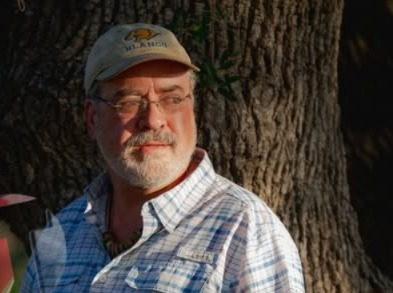
A foreign political figure, former mayor of Blanco, Texas, Mike Arnold, has sparked controversy with a public denunciation of Nigeria’s handling of security challenges, urging the country’s military to dismantle what he described as “terrorist presence” allegedly sheltered within sensitive state institutions, including the Aso Presidential Villa in Abuja. His comments, made in a widely shared post on the social platform X (formerly Twitter) on March 5, 2026, reflect deep frustration with the persistence of violent extremism and insecurity in Nigeria despite years of counter-insurgency operations.
Arnold — who also heads an organisation called Arise International and has visited Nigeria multiple times — accused the administration of President Bola Tinubu of prioritising the treatment of extremist fighters over the welfare of millions of Nigerians displaced or harmed by violent attacks across the country. In his post, he wrote that terrorists should be “hunted down and removed from the earth without mercy,” and asserted that this directive applies to “their supporters, wherever they may be, from the villages to the Villa.”
The former mayor argued that Nigeria’s ongoing struggle against terrorism would be futile as long as, in his view, “powerful insiders shield or collaborate with terrorist groups.” He further alleged that the government has shown “empathy and resources” toward armed militant factions at the expense of those victimised by insurgent violence, including internally displaced persons who occupy overcrowded camps with limited support.
His remarks mention the Aso Presidential Villa, the official residence and seat of Nigeria’s presidency, asserting without evidence in public reporting that “terrorists” and their sympathisers are being protected there. This claim has not been corroborated by Nigerian authorities, intelligence officials or independent investigations, and remains a highly contested assertion that government spokespeople have not endorsed. It is not unusual for foreign critics of national security policy to use vivid language for emphasis, but such claims require careful contextualisation and verification in formal reporting.
Arnold’s commentary comes amid longstanding debates over Nigeria’s security strategy, which has struggled against multiple threats including Islamist insurgents, bandit gangs, communal militias and kidnappers across different regions for more than a decade. Nigeria’s northeast remains a major theatre of violent conflict involving militant organisations such as the Islamic State West Africa Province and Boko Haram remnants, both of which have carried out repeated attacks on civilians, security formations and government infrastructure.
In October 2025, Arnold’s critique of Nigeria’s approach to counter-terrorism was documented during a media interview in Abuja, where he questioned the government’s reluctance to accept foreign criticism of its security policy while actively seeking financial support from external partners. At that time, he described the displacement of millions of Nigerians as a humanitarian crisis and accused national leaders of failing to provide stability to affected populations.
His stance has drawn mixed reactions. Some Nigerians and international observers resonate with calls for more decisive action against violent extremists, particularly as insurgent violence and kidnappings continue in parts of the north, Middle Belt and other regions. Others caution against unverified allegations of government complicity with extremist groups, saying such claims could inflame political tensions and distract from substantive policy discussions. Government officials and some commentators have dismissed extreme assertions as unfounded, stressing that Nigeria’s security challenges are complex and rooted in longstanding structural issues rather than conspiratorial protection of militants.
Experts note that while Nigeria’s military and security services have conducted operations aimed at degrading extremist networks, obstacles such as difficult terrain, limited logistics, intelligence gaps and evolving criminal tactics have hampered consistent success. Analysts also point out that insecurity in many areas involves overlapping motives and actors — from ideology-driven insurgents to bandits seeking ransom — complicating both public understanding and state response strategies.
Arnold’s critique also reflects broader international debates about how conflict and violence in Nigeria should be articulated. In some circles, especially among diaspora communities and advocacy groups, discussions about religious or ethnic dimensions to violence have been polarised, with conflicting narratives about whether attacks constitute targeted persecution or represent a more complex pattern of criminality and insurgency.
Nigeria’s government has consistently rejected claims that it is under-serving citizens in its fight against terrorism, pointing to recent military operations, intelligence successes and infrastructure investments as evidence of ongoing commitment. Official statements often emphasise the multifaceted nature of security threats, and assert that improvements are incremental and constrained by resource limitations and geopolitical realities.
Critics argue that transparency, accountability and enhanced civilian protection must be at the core of any effective counter-terrorism policy. Meanwhile, supporters of the administration maintain that progress against entrenched violent networks, even when uneven, demonstrates resolve and efficacy in an extremely challenging operational environment.
Stone Reporters note that assertions like Arnold’s — linking terrorism to internal political shelter or elite protection — remain highly controversial and unverified by independent reporting. Effective analysis of Nigeria’s security landscape typically draws on official data, structured field investigations, and corroborated local testimony rather than promotional claims circulated on social media.
📩 Stone Reporters News | 🌍 stonereportersnews.com
✉️ info@stonereportersnews.com | 📘 Facebook: Stone Reporters | 🐦 X (Twitter): @StoneReportNew | 📸 Instagram: @stonereportersnews
Add comment
Comments