

Reported by: Oahimire Omone Precious | Edited by: Gabriel Osa
The government of Jigawa State has dismissed twenty-two vendors participating in its Ramadan feeding initiative following findings of cheating, substandard food supply, and financial misconduct during an internal review of the programme. The decision was announced after monitoring teams identified what officials described as systematic breaches of contract obligations meant to safeguard the integrity of the welfare scheme.
The Ramadan feeding programme was introduced as a social intervention policy aimed at supporting vulnerable residents during the fasting period. The scheme provides free meals to low-income households, widows, orphans, and individuals facing economic hardship in various communities across the state. State authorities said the programme was designed not only to alleviate hunger but also to reinforce social welfare protection during the Islamic holy month.
According to the state information ministry, complaints were first raised by field supervisors and monitoring officers deployed to distribution centres across several local government areas. The review process was ordered by the administration of Governor Umar Namadi after reports suggested that some vendors were compromising quality standards and manipulating supply records for financial advantage.
Investigators said they discovered multiple irregularities involving food preparation, storage, and distribution practices. Some vendors were alleged to have supplied meals that failed to meet hygiene and nutritional expectations set by programme guidelines. Field inspectors reported instances where cooked food was delivered in unsanitary containers or stored in environments that did not meet acceptable safety standards.
Government officials further stated that portion sizes in some distribution centres were reportedly reduced below approved contractual specifications. Monitoring teams observed situations where meals appeared diluted or improperly prepared, raising concerns that beneficiaries were receiving food quantities lower than what was officially funded by the programme.
Financial irregularities also formed part of the basis for the dismissal decision. Authorities said some vendors submitted reimbursement claims that were inconsistent with actual distribution volumes recorded during supervision exercises. In several districts, payment requests were said to have exceeded verified delivery quantities, suggesting possible invoice inflation or deliberate record manipulation.
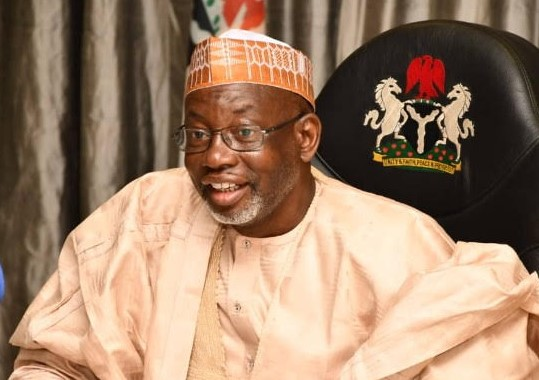
The state commissioner for information, youth, sports and culture, Sagir Musa Ahmed, confirmed the contract termination in a public statement. He explained that the action was taken to protect public resources and ensure that welfare interventions reached their intended beneficiaries without diversion or exploitation.
Ahmed emphasised that the dismissal should not be interpreted solely as criminal conviction but as administrative enforcement of contractual standards. However, he indicated that if further investigations reveal evidence of criminal behaviour such as deliberate fund diversion or procurement fraud, the matter may be referred to anti-corruption agencies for formal prosecution.
The state government said the Ramadan feeding programme would continue without interruption despite the vendor dismissals. Officials announced that replacement suppliers had been selected from a reserve list previously screened by the Ministry of Local Government and Community Affairs to maintain distribution schedules.
The administration also used the opportunity to outline planned reforms aimed at strengthening programme accountability. These reforms include stricter vendor screening processes, periodic inspection of production facilities, and enhanced verification of food storage and transportation conditions.
State authorities said future vendor selection would require comprehensive documentation of financial capacity, hygiene certification, and operational infrastructure before contractors are allowed to participate in public feeding schemes.
Officials also announced plans to introduce improved monitoring mechanisms involving community representatives and independent inspectors. The objective is to reduce the possibility of corruption and enhance transparency in the implementation of welfare projects.
The Ramadan feeding programme forms part of broader social support initiatives implemented by the Jigawa State administration to address food insecurity, particularly among poor households affected by rising living costs. Northern Nigeria continues to record high poverty indicators, making seasonal welfare interventions politically and socially significant during religious periods.
Civil society organisations have welcomed the government’s decision to sanction vendors suspected of misconduct but have also called for greater transparency. Advocacy groups argue that publishing audit reports and investigation findings would help strengthen public trust in the management of welfare programmes.
Public administration analysts note that social intervention projects in Nigeria often face challenges linked to procurement oversight, political patronage, and weak monitoring systems. Experts recommend adopting digital tracking platforms for food procurement and distribution, including electronic beneficiary registration and real-time supply verification.
Community reactions to the dismissal have been mixed. Some residents expressed support for the government’s action, describing it as a necessary step to protect public funds and ensure that vulnerable citizens receive quality assistance during Ramadan. Others urged authorities to disclose more details about the specific vendors involved and the evidence supporting the allegations.
The state government reiterated its commitment to maintaining welfare support for economically disadvantaged populations while enforcing strict accountability standards across all social intervention programmes. Officials warned that future violations by contractors would attract immediate disciplinary action.
Stone Reporters note that the development reflects growing scrutiny of public welfare management across several Nigerian states as governments attempt to balance humanitarian assistance with anti-corruption enforcement.
As Ramadan progresses, the Jigawa State Government said it will intensify supervision of the feeding initiative and strengthen coordination among monitoring officers, community leaders, and health inspectors to ensure consistent quality standards.
📩 Stone Reporters News | 🌍 stonereportersnews.com
✉️ info@stonereportersnews.com | 📘 Facebook: Stone Reporters | 🐦 X (Twitter): @StoneReportNew | 📸 Instagram: @stonereportersnews
Add comment
Comments