

Reported by: Ijeoma G | Edited by: Gabriel Osa
A detailed investigation into the state of primary healthcare centres across Ebonyi State has revealed a deepening public health crisis in rural communities where facilities meant to serve as the foundation of Nigeria’s healthcare system have fallen into neglect, leaving thousands of residents—particularly pregnant women and children—without access to essential medical services.
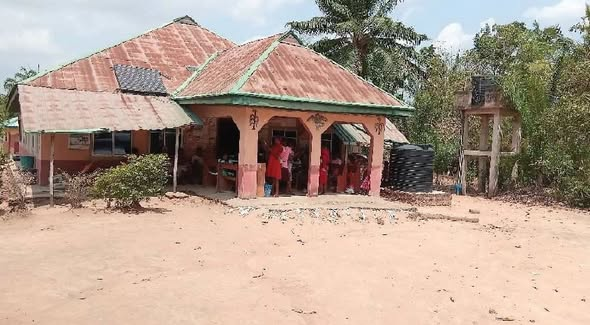
The investigation uncovered numerous primary healthcare centres scattered across rural communities that are either abandoned, severely dilapidated, or barely functional. Many of the buildings have cracked walls, leaking roofs, broken windows, and deteriorating infrastructure that makes them unsuitable for medical care. Several centres visited during the investigation lacked even the most basic requirements expected in a health facility, including clean water, electricity, toilets, medical equipment, and essential drugs.
Primary healthcare centres are designed to provide the first line of medical services to rural populations. These facilities are meant to handle routine immunization programmes, maternal healthcare, treatment of common illnesses, and emergency stabilization before patients are referred to larger hospitals. However, findings from the investigation indicate that the collapse of these facilities in Ebonyi State has left many rural communities without reliable access to healthcare.
In several communities, residents reported that the centres are frequently locked because no trained personnel are assigned to work there. In other locations, the facilities are operated by individuals with minimal or outdated training rather than qualified doctors or nurses. One health worker overseeing a facility in Ikwo Local Government Area acknowledged that the last formal training he received was in 2017, highlighting the lack of professional support available to staff in rural clinics.
At Abina Health Post in Ndufu Amagu community, investigators observed a health facility surrounded by dirt and vegetation with cracked walls and rundown structures. The building had no electricity, no potable water, and no functional toilet. Staff working at the centre described the conditions as extremely difficult and said the absence of infrastructure makes it almost impossible to deliver proper medical care to patients.
Similar conditions were observed across other facilities including health posts and primary healthcare centres located in several communities in Ikwo Local Government Area. Many of these facilities had empty shelves where essential medicines should normally be stored. Without drugs or proper equipment, health workers often have no option but to refer patients elsewhere or advise them to purchase medications from private pharmacies.
The consequences of these deficiencies are particularly severe for pregnant women who rely on rural health centres for antenatal care and safe delivery services. Without skilled medical personnel and proper equipment, many expectant mothers are forced to rely on traditional birth attendants or attempt to travel long distances to urban hospitals during labour.
Health experts warn that such conditions increase the risk of maternal and infant mortality, especially in rural areas where transportation infrastructure is limited. The absence of skilled birth attendants and emergency medical support can turn otherwise manageable complications into life-threatening situations for both mothers and newborns.
Children in rural communities are also affected. Routine immunization programmes and child health services typically provided through primary healthcare centres have been disrupted in several communities because the facilities are not functioning. When vaccination programmes are interrupted, children become more vulnerable to preventable diseases such as measles, polio, and other infections.
The investigation further revealed that even where buildings exist, the shortage of trained healthcare professionals remains one of the most critical challenges facing the primary healthcare system in Ebonyi. Many facilities have no doctors or qualified nurses, and in some cases are managed by auxiliary staff with limited training who struggle to handle medical emergencies.
The shortage of medical personnel is partly linked to the broader problem of healthcare worker migration from Nigeria to other countries in search of better working conditions and higher salaries. As a result, the doctor-to-patient ratio in many parts of the country remains far below global standards. In Ebonyi and other states, the limited number of healthcare workers available are often concentrated in urban hospitals rather than rural clinics.
The lack of essential medicines also remains a major obstacle to effective healthcare delivery. National health surveys indicate that only about one-third of essential medicines are consistently available in primary healthcare facilities across Nigeria. This shortage means that patients visiting rural clinics often leave without receiving the treatment they need.
Despite these challenges, significant public funds have been allocated in recent years to strengthen Nigeria’s primary healthcare system. The federal government disclosed that more than ₦98 billion was released in 2025 through the Basic Healthcare Provision Fund, a programme designed to support primary healthcare services across the country. However, the specific amount allocated to Ebonyi State and the impact of the funding on rural health facilities remain unclear.
The Basic Healthcare Provision Fund, established under the National Health Act of 2014, was created to ensure that every Nigerian has access to a minimum package of essential healthcare services. The programme is financed through an annual allocation of at least one percent of the federal government’s consolidated revenue fund, alongside contributions from development partners and other sources.
Public health analysts say the situation in Ebonyi reflects deeper structural problems affecting Nigeria’s healthcare system, including poor infrastructure maintenance, inadequate funding at local government levels, and weak oversight mechanisms that allow facilities to deteriorate over time.
Residents in many rural communities say they feel abandoned by the healthcare system. With local clinics either closed or incapable of providing treatment, villagers are often forced to travel several hours to reach hospitals in urban centres such as Abakaliki, the state capital. For low-income families, the cost of transportation and medical bills makes such trips extremely difficult.
In some cases, the absence of functioning healthcare facilities has pushed residents toward self-medication or unlicensed practitioners, practices that health experts warn can worsen medical conditions and lead to preventable deaths.
Stone Reporters note that the findings from the investigation underscore the urgent need for reforms in the management and funding of primary healthcare facilities across Nigeria. Without immediate intervention to rehabilitate infrastructure, deploy qualified health workers, and ensure consistent supply of medicines, millions of rural residents may continue to face life-threatening barriers to accessing even the most basic healthcare services.
📩 Stone Reporters News | 🌍 stonereportersnews.com
✉️ info@stonereportersnews.com | 📘 Facebook: Stone Reporters | 🐦 X (Twitter): @StoneReportNew | 📸 Instagram: @stonereportersnews
Add comment
Comments