

Reported by: Ijeoma G | Edited by: Gabriel Osa
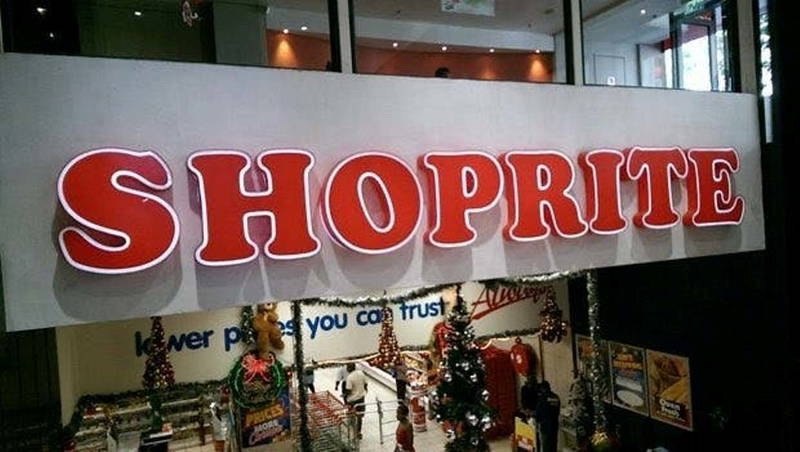
Nigeria’s modern retail sector has suffered a significant disruption following the shutdown of Shoprite outlets across the country, a development analysts say has shaken a mall economy estimated to be worth about ₦2.5 trillion. The closure of the once-dominant supermarket chain marks a major shift in the nation’s retail landscape after two decades of operations that helped define modern shopping culture in urban Nigeria.
Shoprite entered Nigeria in 2005 and rapidly expanded to become one of the most recognizable retail brands in the country. At its peak, the supermarket chain operated roughly 25 outlets across 13 states, serving as the anchor tenant in many major shopping malls and drawing thousands of customers daily. The brand played a central role in transforming grocery shopping by introducing large-scale supermarket experiences that combined groceries, household goods, and leisure activities within modern mall environments.
However, the company’s nationwide shutdown has now left many malls without their primary attraction. Retail analysts estimate that about ₦1.4 trillion in economic activity tied to the retail giant could be affected as businesses that depended on the supermarket struggle with reduced customer traffic. The ripple effect extends beyond the supermarkets themselves to a network of small businesses operating within the same mall complexes.
For years, Shoprite functioned as what industry experts describe as an “anchor tenant,” a large store designed to attract steady foot traffic to a shopping mall. Once customers visited the supermarket, they often continued to shop at nearby boutiques, restaurants, pharmacies, and cinemas located within the same complex. With the supermarket now closed in many locations, these smaller outlets are experiencing a dramatic decline in customer visits and sales.
Mall operators and shop owners say the absence of Shoprite has fundamentally altered the flow of customers. In several locations across Lagos and other major cities, visits to former Shoprite outlets reveal empty shelves, locked doors, and deserted aisles where crowds of shoppers once gathered daily. For surrounding businesses, the quiet atmosphere has translated into steep revenue losses and uncertain futures.
Workers have also been significantly affected. Thousands of employees who worked directly for the supermarket chain or indirectly through supplier networks have been forced to seek alternative livelihoods. Former employees describe the shutdown as abrupt and financially devastating, particularly for workers who had spent years building careers within the retail chain.
Suppliers across Nigeria have also been hit by the closure. Shoprite previously served as a major bulk buyer for food items, beverages, and household goods produced locally and internationally. Many distributors relied on the supermarket’s large-scale purchasing system to move inventory, maintain supply chains, and sustain business growth. With the disappearance of this key buyer, some suppliers are now struggling to find alternative distribution channels for their products.
The gradual collapse of Shoprite’s Nigerian operations did not happen overnight. Industry observers say signs of trouble became visible as early as 2024, when customers began noticing empty shelves and declining stock levels in several stores. Basic items such as toiletries and food staples became increasingly difficult to find in some outlets, signaling deeper operational problems within the company’s Nigerian franchise.
By late 2025, the situation had worsened considerably. Several outlets across major cities including Lagos began shutting their doors entirely, while others operated intermittently with skeletal inventory. As these closures spread, the once vibrant retail spaces gradually transformed into near-empty commercial areas with sharply reduced customer traffic.
Economic factors appear to have played a major role in the decline. Retail experts point to a combination of foreign exchange shortages, rising import tariffs, inflation, and increasing logistics costs that have placed heavy financial pressure on businesses dependent on imported goods. The broader economic environment made it increasingly difficult for large supermarket chains to maintain consistent supply chains and affordable pricing structures.
The company had already undergone a major ownership transition in 2021 when South Africa’s Shoprite Holdings sold its Nigerian operations to Ketron Investment Limited, a consortium linked to Persianas Investment Limited, the developers behind several large shopping malls in Nigeria. The business then continued operating under a franchise arrangement rather than direct ownership by the South African parent company.
At the time of the takeover, the new owners assured customers and partners that operations would continue and that the supermarket brand would remain active in the Nigerian retail sector. While the stores initially maintained activity, the underlying financial pressures eventually led to the gradual wind-down of operations across the country.
Despite the shutdown, company representatives say the development should not necessarily be interpreted as a permanent exit from the Nigerian market. Officials from Retail Supermarkets Nigeria Limited, the company operating the brand locally, have described the closure as part of a broader restructuring effort intended to reset the business model and adapt to the country’s economic realities.
The company has suggested that future plans could involve a different operational strategy aimed at improving sustainability within Nigeria’s challenging retail environment. However, no clear timeline has been provided regarding when or if large-scale supermarket operations will resume under the Shoprite brand.
For now, the shutdown has created uncertainty across Nigeria’s retail sector. Many mall operators are actively searching for new anchor tenants capable of replacing the foot traffic once generated by Shoprite. Meanwhile, smaller retailers inside the affected malls are hoping that new supermarket brands or retail chains will eventually occupy the empty spaces and revive customer activity.
Stone Reporters note that the closure of Shoprite outlets represents more than the disappearance of a supermarket chain. It signals a broader transformation underway within Nigeria’s retail economy, where rising costs, supply chain disruptions, and shifting consumer patterns are reshaping the future of large-scale shopping malls and modern retail businesses across the country.
📩 Stone Reporters News | 🌍 stonereportersnews.com
✉️ info@stonereportersnews.com | 📘 Facebook: Stone Reporters | 🐦 X (Twitter): @StoneReportNew | 📸 Instagram: @stonereportersnews
Add comment
Comments