

Reported by: Ijeoma G | Edited by: Oravbiere Osayomore Promise.
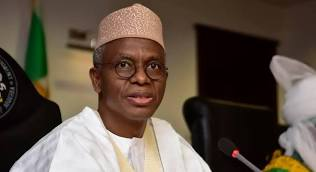
A sweeping and high‑stakes anti‑corruption inquiry has thrust former Kaduna State Governor *Nasir El‑Rufai* into the centre of one of Nigeria’s most consequential accountability disputes in recent memory as investigators allege links between him and a portfolio of multi‑million‑dollar real estate holdings in Egypt. The unfolding situation has sparked intense political debate, legal battles over constitutional rights, and broad public scrutiny as the nation grapples with questions about governance, due process, and the rule of law.
According to sources privy to the ongoing investigation by the Independent Corrupt Practices and Other Related Offences Commission (ICPC), six luxury properties located in New Cairo have reportedly been traced to El‑Rufai, the former governor and one‑time Minister of the Federal Capital Territory. Investigators say the assets include three standalone villas and six high‑end apartments in some of Egypt’s most exclusive residential estates — Arabella Estate, Banafsek Estate, Oriana II, and Cairo Festival City — known for commanding premium prices upwards of hundreds of thousands of dollars each. The properties are alleged to have been acquired between 2021 and 2023, a period during which El‑Rufai was serving his second term as governor of Kaduna State. The total value of these properties, based on local market estimates, amounts to a substantial foreign asset portfolio that has alarmed investigators tracking the possible misappropriation of public funds.
The interest in these foreign assets forms part of a wider investigation that anti‑graft agencies have been conducting into El‑Rufai’s conduct before, during, and after his tenure from 2015 to 2023, focusing on alleged financial impropriety, suspicious transactions, and related offences. Critics and legal analysts have noted that this development is rare in its international dimension — involving property abroad — which intensifies scrutiny not only within Nigeria but also among global actors monitoring illicit financial flows out of Africa.
At the centre of this unprecedented scrutiny is the former governor’s current detention. El‑Rufai voluntarily reported to the Economic and Financial Crimes Commission (EFCC) on February 16 following invitations from anti‑corruption agencies. He was detained for questioning and later transferred to the custody of the ICPC on the night of February 18. The ICPC publicly confirmed his detention on February 18 in relation to an ongoing inquiry, though it did not disclose specifics at the time.
On February 19, the ICPC obtained a 14‑day remand order from a magistrate court, authorising his continued detention pending investigation. However, his family and legal team have openly contested the legality of his custody, arguing that no fresh court order has been secured after the expiry of the two‑week remand period and that he has not been charged before any court of competent jurisdiction. In statements posted on social media, his son Mohammed El‑Rufai and family representatives described his continued detention as unlawful and devoid of legal basis. They have called for his immediate release or for authorities to formally charge him in court, cautioning that prolonged detention without charge undermines constitutional safeguards and the rule of law.
Legal battles have multiplied. El‑Rufai’s lawyers have filed a fundamental rights enforcement suit seeking a declaration that the search and seizure of his Abuja residence were unlawful and infringe his constitutional rights, including dignity, fair hearing, and privacy. They have also sought orders preventing the ICPC, the EFCC, and the Department of State Services (DSS) from freezing his bank accounts or seizing other assets while the case is pending.
Meanwhile, the ICPC has defended its actions, filing court documents that include a detailed inventory of 67 items allegedly recovered from El‑Rufai’s Abuja home during a search operation. These items reportedly encompass laptops, mobile devices, financial records, investor account statements, loan documents, land titles, and correspondence related to domestic and foreign transactions. The agency insists that the search was conducted lawfully and in the presence of family members, even as El‑Rufai’s counsel disputes aspects of the operation and the use of seized materials.
While the anti‑corruption agencies have remained tight‑lipped on details of their evidence, El‑Rufai has consistently denied any misconduct. From custody, he has asserted that the investigations are politically motivated — aimed at targeting him for his role as a senior figure in the *African Democratic Congress (ADC)*, the opposition party that has positioned itself as a significant force ahead of the 2027 general elections. In written statements submitted to investigators, El‑Rufai said he would only respond to allegations in an open court where due process could be observed.
The detention and allegations have generated strong public reaction. A political action group led by Aminu Datti‑Ahmed has urged the Federal Government to either release El‑Rufai or file formal charges against him, warning that continued custody without legal basis would violate the Nigerian Constitution and international human rights law. Similarly, Atedo Peterside, a prominent banker, publicly criticised the actions of federal agencies, accusing them of conspiring to undermine constitutional rights by detaining El‑Rufai without charge. These reactions underscore anxieties about the use of state institutions in politically sensitive cases and the broader implications for democratic norms in Nigeria.
The political ramifications are significant. El‑Rufai remains a polarising figure: celebrated by some for development achievements and criticised by others for contentious policies during his tenure in Kaduna and as FCT minister. His legal troubles have reinvigorated discussions about accountability for powerful political actors, especially as Nigeria nears a crucial election cycle. The interplay between political rivalry, legal accountability, and public trust in institutions will be closely watched as the case unfolds.
As events evolve, key questions remain: Will the ICPC and other agencies present a clear evidentiary case in court linking El‑Rufai to the alleged Egyptian properties and other improprieties? Can the government balance vigorous anti‑corruption efforts with strict respect for constitutional safeguards? And how will political actors and civil society respond to ensure that the rule of law is upheld in what is now a national focal point for Nigeria’s justice and governance credibility?
📩 Stone Reporters News | 🌍 stonereportersnews.com
✉️ info@stonereportersnews.com | 📘 Facebook: Stone Reporters | 🐦 X (Twitter): @StoneReportNew | 📸 Instagram: @stonereportersnews
Add comment
Comments