

Reported by: Ijeoma G | Edited by: Oravbiere Osayomore Promise.
Authorities in Oyo State have intensified efforts to clamp down on illegal fuel trading along the Lagos‑Ibadan Expressway, seizing large quantities of petroleum products and moving to halt activities that threaten public safety and road security. The enforcement operation, carried out by a multi‑agency task force, highlights growing concern over roadside fuel black markets, which officials say pose significant safety, environmental, and legal risks.
The exercise was led by the Oyo State Rule of Law Enforcement Authority in collaboration with several security and enforcement agencies, including the Oyo State Road Traffic Management Authority, the Nigeria Security and Civil Defence Corps, the Nigeria Police Force, the Oyo State Environmental Task Force, the Amotekun Corps, and personnel from the Nigerian Army. The coordinated raid targeted illegal fuel storage and trading points at the Toll Gate area of the expressway, a major transit corridor connecting southwest Nigeria with other parts of the country.
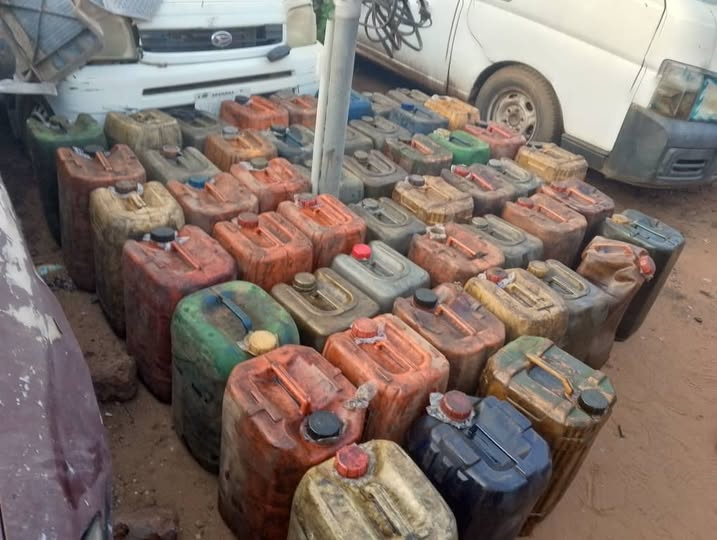
During the operation, enforcement officers discovered and confiscated dozens of litres of both petrol and diesel that had been unlawfully stored in 25‑litre jerrycans and larger drums beside the highway. Empty containers and equipment associated with the illegal storage and sale of petroleum products were also impounded, and many were destroyed on site to prevent further use. Authorities described these roadside fuel depots as unregulated and potentially hazardous, noting that such informal operations not only violate fuel distribution laws but also increase the risk of fire, spills, and traffic disruptions.
Oyo State Commissioner for Information, Prince Dotun Oyelade, explained that the raid was part of a broader effort by the state government to curb criminality and safeguard travellers and residents. He stressed that the state will continue to enforce laws against illegal fuel marketing and urged members of the public to refrain from engaging in unauthorised sales of petroleum products. He added that owners of the impounded petroleum products have been given a limited window to identify and document their property with the enforcement authority, warning that failure to comply will result in forfeiture to the Oyo State government.
Although the task force did not apprehend suspects during this specific sweep, as the illegal merchants were reportedly not present at the site during the raid, officials vowed that enforcement activities will be ongoing and that persons arrested in future operations will face prosecution under relevant sections of Nigerian petroleum and public safety laws. The state government’s stance reflects growing frustration with roadside oil black markets that have, in previous years, seen dozens of individuals arrested and prosecuted for illegal diesel and petrol trading, particularly in shanties that have emerged along major highways.
Crimes associated with illegal fuel marketing extend beyond unlawful sales. Law enforcement and safety advocates have long warned that such roadside operations can become centres of broader criminal activity, including fuel adulteration, theft from legitimate supply chains, and connections to organised criminal networks. These concerns have prompted similar crackdowns in the past, with authorities arresting individuals involved in illegal diesel vending and prosecuting them through mobile courts to deter further violations.
Road safety and environmental groups have also weighed in, emphasising that unregulated fuel storage beside highways endangers motorists and nearby communities. Petrol and diesel are highly flammable, and their storage in makeshift containers along busy roads increases the likelihood of explosions and fires, particularly in hot weather or in the event of road accidents. These risks are compounded where emergency response measures are inadequate or delayed due to the isolated location of many illegal fuel points along long stretches of road.
Experts point out that the proliferation of black market fuel traders often reflects wider challenges in Nigeria’s petroleum supply and distribution system, including periodic shortages at official filling stations and price distortions that drive demand for cheaper, informal alternatives. Tackling these root causes requires not only enforcement but also improvements in official supply reliability, regulatory oversight, and public awareness of the dangers posed by unlicensed fuel activities.
State officials reiterated that the Lagos‑Ibadan Expressway, one of Nigeria’s busiest transport corridors, must be kept safe and orderly for the millions of motorists and commercial operators who traverse it weekly. By removing illegal fuel merchants and their makeshift storage facilities, authorities aim to reduce environmental hazards, improve road safety, and reinforce the rule of law along the expressway. The task force pledged continued monitoring and enforcement operations, urging members of the public to report suspicious behaviour to relevant authorities as part of collaborative efforts to keep the roadway secure and compliant with safety standards.
📩 Stone Reporters News | 🌍 stonereportersnews.com
✉️ info@stonereportersnews.com | 📘 Facebook: Stone Reporters | 🐦 X (Twitter): @StoneReportNew | 📸 Instagram: @stonereportersnews
Add comment
Comments