

Reported by: Ijeoma G | Edited by: Oravbiere Osayomore Promise.
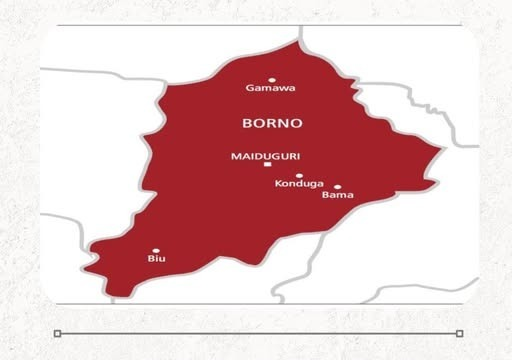
Maiduguri, Borno State — A devastating series of bomb explosions in Nigeria’s northeastern city of Maiduguri has claimed dozens of lives, including four young sons of a local man who had stepped out to buy eyeglasses in preparation for the upcoming Sallah celebrations. The attacks, which occurred on the evening of Monday, March 16, 2026, have plunged the community into mourning and intensified concerns about the resilience of extremist violence in the region.
The blasts struck at least three locations in Maiduguri — the entrance to the University of Maiduguri Teaching Hospital, the central Monday Market, and the vicinity of the Post Office — at around 7:24 p.m. local time, as residents were returning home after breaking their Ramadan fast. The coordinated nature of the explosions and their timing in heavily populated areas magnified the human toll, as families, traders, students, and passersby were caught in the carnage.
Initial reports from police and emergency management authorities indicated that at least 26 people were killed and more than 140 others were wounded in the attacks. Many of the wounded were treated at hospitals across Maiduguri, and medical facilities quickly became overwhelmed with the influx of victims needing urgent care.
Among the most poignant tragedies to emerge from the blasts is the loss suffered by a man known locally as Ba Musa, whose four sons were among those killed. According to relatives and eyewitnesses, the boys had left home earlier in the evening to purchase eyeglasses and other items in anticipation of the Sallah festivities — a time of joy, family gatherings, and thanksgiving for Muslim communities. Instead, they were caught in the deadly explosion at one of the blast sites, leaving their grieving father and extended family in shock and disbelief. The names of the children have not been publicly released, out of respect for the family’s privacy, but their deaths have become a stark symbol of the tragedy’s impact on ordinary civilians.
Survivors of the explosions have shared harrowing accounts of the chaos that followed. Witnesses described shattering blasts echoing through the crowded market and hospital entrance, sending people fleeing in panic, as screams and dust filled the air. Traders spoke of shattered stalls, destroyed goods, and livelihoods lost in moments, while civilians recounted frantic attempts to rescue trapped victims and assist the wounded before emergency responders arrived.
The authorities have not confirmed responsibility for the bombings, but Boko Haram and its splinter faction, the Islamic State West Africa Province, remain the prime suspects, given their history of carrying out suicide and improvised explosive attacks in Maiduguri and across Borno State. These groups have waged an insurgency in northeastern Nigeria for more than a decade, targeting civilian and military sites alike, and have frequently deployed suicide bombers to sow fear and destabilise communities.
President Bola Tinubu condemned the bombings as acts of terrorism and ordered senior security officials to relocate to Maiduguri to coordinate emergency response efforts and bolster security measures. He has vowed to intensify military and intelligence operations against militant networks responsible for the attacks. In addition, the Borno State government, led by Governor Babagana Umara Zulum, appealed for calm and urged citizens to cooperate with security forces while assistance is provided to victims and their families.
Legislators and political leaders have also reacted to the tragedy. The Northern Senators Forum expressed deep shock and extended condolences to the people of Borno State, emphasising the need for national unity in the face of such senseless violence. They pledged to support efforts by security agencies to bring perpetrators to justice and called on all Nigerians to remain calm and vigilant.
Hospitals and emergency services in Maiduguri issued urgent appeals for blood donations and additional medical supplies following the blasts, as doctors and nurses worked around the clock to treat the wounded. Many families continue to search for missing loved ones, and the scenes at medical facilities and temporary treatment centres have been described as heartbreaking, with relatives anxiously awaiting news of survivors.
The bombings have also reignited debate over the broader strategy to counter insurgency and protect civilians in northeastern Nigeria. Security analysts and local leaders have highlighted the need for improved intelligence capabilities, increased community cooperation with security forces, and more robust protective measures for public spaces. Critics have pointed to perceived gaps in security preparedness, particularly during times of heightened public activity such as Ramadan and religious celebrations.
Community members have held vigils and memorials for the victims, laying flowers and candles at sites where loved ones perished and sharing stories of loss and resilience. In the aftermath of the tragedy, there have been calls for increased support for bereaved families, including psychosocial counseling and economic assistance, as many survivors struggle with both emotional trauma and the loss of income following the destruction of market stalls and personal property.
The bombings in Maiduguri — one of the city’s deadliest in recent years — underscore the persistent challenge posed by extremist violence in northeastern Nigeria. Despite sustained military operations and counter‑insurgency efforts, militants retain the ability to strike deep into urban centres, causing profound human suffering. For families like that of Ba Musa, the pain of losing loved ones in what should have been a season of celebration will leave a lasting scar on a community already familiar with the toll of conflict.
📩 Stone Reporters News | 🌍 stonereportersnews.com
✉️ info@stonereportersnews.com | 📘 Facebook: Stone Reporters | 🐦 X (Twitter): @StoneReportNew | 📸 Instagram: @stonereportersnews
Add comment
Comments