

Reported by: Ijeoma G | Edited by: Gabriel Osa
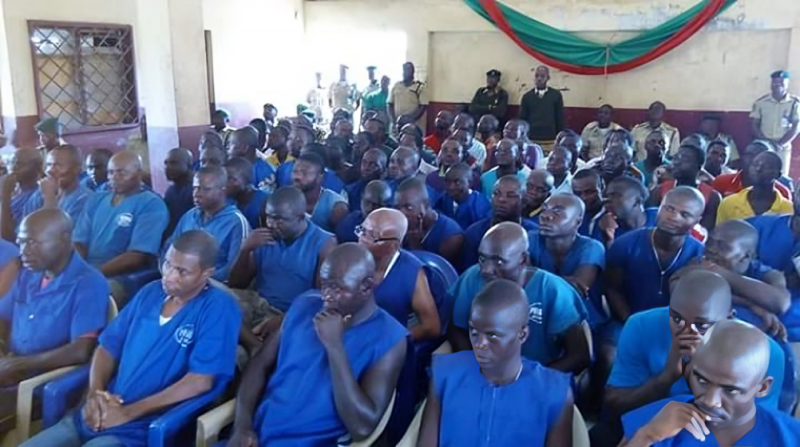
No fewer than 8,300 inmates in Nigeria have either been pardoned or had their sentences reduced between January 2022 and March 2026, as federal and state authorities intensify efforts to ease chronic congestion in correctional centres across the country. The figure, drawn from a compilation of media and official reports, indicates that the relief measures were spread over several years rather than being a single one-off exercise. A breakdown cited in current reporting shows 707 beneficiaries in 2022, 4,678 in 2023, 1,843 in 2024, more than 850 in 2025, and over 240 so far in 2026.
The development comes against the backdrop of sustained pressure on Nigeria’s correctional system. The Nigeria Correctional Service said in February 2026 that the country had 80,812 inmates as of February 9, with 51,955 of them awaiting trial. That means roughly 64 per cent of the prison population had not yet been convicted, underscoring why decongestion has become a recurring policy priority. The same budget presentation projected inmate-related pressures high enough for the service to propose feeding provisions for an estimated 91,100 inmates in 2026.
In Nigeria, pardons and sentence reductions are typically processed through prerogative of mercy arrangements, where advisory or judicial bodies review cases and recommend eligible inmates for clemency. At the federal level, one of the clearest recent examples came in October 2025, when President Bola Tinubu, acting through the constitutional mercy process and with approval tied to the Council of State, granted clemency to 82 inmates, reduced the prison terms of 65 others, and commuted the death sentences of seven inmates to life imprisonment. That exercise formed part of a broader mercy package covering 175 individuals, including some former convicts and posthumous pardons.
State governments have also continued to use executive clemency as a decongestion tool. In one recent example, Bauchi State Governor Bala Mohammed granted unconditional pardon to 73 inmates in March 2026 and approved ₦100,000 for each beneficiary to support reintegration after release. Reports on that exercise said the governor framed the move around both compassion and practical prison decongestion, while urging communities not to stigmatise those released.
The wider policy environment suggests the authorities are trying to move beyond simple release numbers and toward rehabilitation and reintegration. Earlier this week, the Federal Government said it was strengthening collaboration with the Nigerian Correctional Service to support rehabilitation, social protection and long-term reintegration for inmates. The Ministry of Humanitarian Affairs and Poverty Reduction also said the national social register now captures more than 19.7 million households, a framework the government appears to see as relevant for supporting vulnerable former inmates after release.
Even so, the figures also expose the scale of the structural problem. If more than 8,300 inmates have benefited from mercy or sentence adjustments over a little more than four years, yet the prison population remains above 80,000 and is still dominated by awaiting-trial detainees, then pardons alone are not resolving the core crisis. The underlying pressure appears to be driven less by convicted prisoners serving long terms than by delays in investigation, prosecution, trial and case disposal.
That distinction matters. Prison decongestion through clemency can provide immediate relief, particularly for minor offenders, elderly inmates, prisoners in poor health, or convicts who have demonstrated reform. But a correctional system in which the majority of inmates are awaiting trial points to a deeper bottleneck in criminal justice administration. Without faster case processing, wider use of bail where appropriate, stronger legal aid, and fuller implementation of non-custodial measures, the gains from periodic pardon exercises are likely to be temporary. The correctional service itself has signalled a desire for broader reform, including stronger capital investment and expanded non-custodial mechanisms across all 774 local government areas.
The issue is also financial. Feeding, housing and securing inmates impose a growing burden on public funds. The correctional service’s 2026 budget proposal put inmate feeding alone at ₦14.83 billion, calculated at a daily rate of ₦1,125 per inmate. It also disclosed substantial outstanding food-ration liabilities in 2025. Those figures help explain why both the Federal Government and states increasingly view clemency, sentence review and alternative sanctions not just as humanitarian tools, but as administrative and fiscal necessities.
For now, the latest tally of more than 8,300 pardons and sentence reductions signals that prison decongestion remains active policy across multiple tiers of government. But it also highlights a harder truth: Nigeria’s correctional challenge is not only about how many inmates can be released through mercy, but how many people should never have remained in prolonged pre-trial detention in the first place. Until that imbalance is addressed, periodic pardons may ease overcrowding at the margins, but they will not by themselves cure the systemic strain weighing on the country’s prisons.
📩 Stone Reporters News | 🌍 stonereportersnews.com
✉️ info@stonereportersnews.com | 📘 Facebook: Stone Reporters | 🐦 X (Twitter): @StoneReportNew | 📸 Instagram: @stonereportersnews
Add comment
Comments