

Reported by: Ijeoma G | Edited by: Oravbiere Osayomore Promise.
An airstrike carried out by the Nigerian Air Force in the northeast has left a large number of civilians feared dead in what has become one of the most controversial military incidents in the country’s ongoing counterinsurgency campaign.
The strike reportedly occurred in the Jilli area along the border corridor between Yobe and Borno states, a location known for periodic clashes between security forces and armed insurgents. According to early accounts from local residents, community leaders, and emergency responders, the operation took place during a busy market day when civilians, traders, and transporters were gathered in significant numbers.
Residents described a sudden aerial bombardment that caused panic and confusion, with explosions hitting parts of the market area. Survivors said people ran in different directions as the strike unfolded, with many unable to escape due to the density of the crowd at the time. In the aftermath, local volunteers and security personnel reportedly struggled to recover bodies and assist the wounded.
Casualty figures remain highly disputed, but multiple local accounts suggest that the death toll could exceed 200, while others place the number lower but still in the range of over 100 fatalities. The absence of a fully verified official tally has added to confusion and heightened tensions in affected communities, where families are still searching for missing relatives.
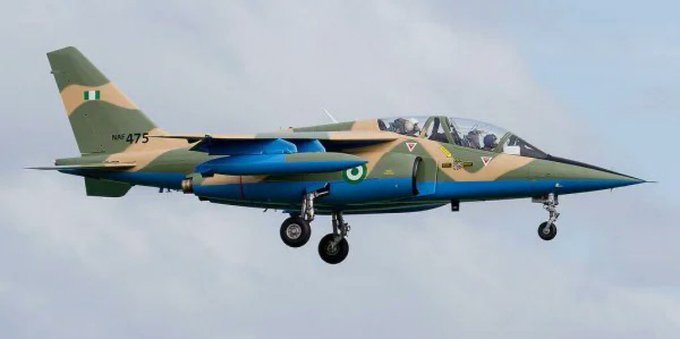
The Nigerian Air Force has acknowledged conducting an operation in the area, stating that it was part of ongoing efforts to target Boko Haram and Islamic State West Africa Province elements operating in the region. Military sources maintain that intelligence indicated the presence of suspected insurgents moving through the area, which informed the decision to carry out the strike.
However, conflicting narratives have emerged regarding the presence of civilians at the time of the operation. Local witnesses insist that the market was active and filled with non-combatants, raising serious concerns about whether adequate verification was carried out before the strike was executed. These contradictions have become the central issue driving calls for accountability.
The Yobe State Government, along with emergency response agencies, has confirmed that a significant incident involving mass casualties occurred and has deployed assessment teams to the area. Hospitals in nearby towns reportedly received multiple injured victims, with medical personnel working under pressure to treat severe trauma cases.
The Nigerian Air Force has initiated an internal review process, including a civilian harm assessment mechanism, to investigate the circumstances surrounding the strike. Officials say the review will examine operational intelligence, targeting procedures, and communication between ground and air units to determine whether established rules of engagement were followed.
The incident has sparked widespread concern among humanitarian organizations and security analysts, many of whom have called for an independent investigation. They argue that repeated reports of civilian harm in military air operations highlight ongoing challenges in intelligence accuracy and target identification in conflict zones where insurgents operate close to civilian populations.
The northeast region has been at the center of Nigeria’s long-running insurgency for more than a decade, with Boko Haram and Islamic State West Africa Province responsible for thousands of deaths and large-scale displacement. In response, the military has relied heavily on air power to strike insurgent positions in remote and difficult terrain. However, these operations have repeatedly faced scrutiny when civilian casualties are reported.
This latest incident adds to a pattern of controversial airstrikes in Nigeria’s conflict zones, where distinguishing between armed groups and civilian populations has remained a persistent operational challenge. Past incidents have similarly triggered investigations and public debate over the accuracy of intelligence and the safeguards in place to prevent collateral damage.
Communities in the affected area remain in shock as recovery efforts continue. Families are attempting to identify victims while others search for missing relatives believed to have been present at the market during the strike. Local leaders have called for urgent humanitarian assistance, including medical support, food supplies, and psychosocial care for survivors.
Security analysts note that insurgent groups in the region often exploit civilian areas for concealment, complicating military response efforts. This proximity increases the risk of unintended casualties during air operations, particularly when intelligence is incomplete or time-sensitive decisions are required.
As investigations proceed, authorities have yet to release a definitive casualty figure. The Nigerian military is expected to provide further updates after completing its internal assessment and reviewing operational data from the mission.
The incident has once again raised difficult questions about the conduct of air operations in populated areas and the broader balance between military objectives and civilian protection in Nigeria’s counterinsurgency efforts. For now, uncertainty remains over the full scale of the tragedy, while affected communities continue to grapple with its immediate human cost.
📩 Stone Reporters News | 🌍 stonereportersnews.com
✉️ info@stonereportersnews.com | 📘 Facebook: Stone Reporters News | 🐦 X (Twitter): @StoneReportNew | 📸 Instagram: @stonereportersnews
Add comment
Comments