

Reported by: Ijeoma G | Edited by: Oravbiere Osayomore Promise.
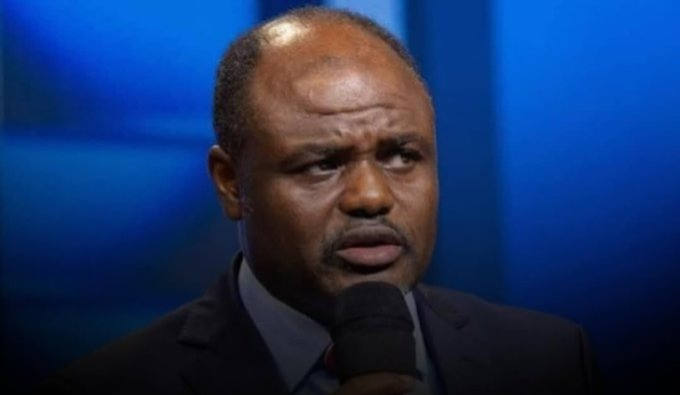
The Nigerian cleric Pastor Abel Damina has stirred widespread discussion following his recent comments challenging the popular Christian phrase “givers never lack,” insisting that it is not supported by scripture and should not be presented as a guaranteed spiritual law.
Speaking during a recent teaching session, Damina argued that many believers have been misled into thinking that financial prosperity is directly tied to acts of giving, particularly tithes and offerings, a belief he described as a misunderstanding of biblical principles.
According to him, the concept that individuals who give will never experience lack is, in his view, inaccurate, adding that giving in itself represents a transfer of resources that can create temporary scarcity in the life of the giver.
He maintained that financial stability and wealth accumulation are primarily the result of work, enterprise, and productive engagement rather than religious giving alone, stressing that economic outcomes should not be spiritualized in a simplistic manner.
“There is no scripture in the Bible that says when you give, you will never lack. Anybody who claims that givers never lack is a fraud,” he said during the teaching, emphasizing his rejection of what he considers a widespread misinterpretation.
He further explained that giving creates what he described as a “vacuum” in personal resources, which must be filled through subsequent effort, arguing that many people misunderstand the economic reality of giving and receiving.
Damina also addressed what he called a mindset issue within Christian communities, stating that some believers have been conditioned to equate spiritual generosity with automatic financial reward, a view he believes is inconsistent with lived experience.
He referenced what he described as real-world examples of individuals who are faithful in tithing yet still face financial struggles, arguing that such outcomes demonstrate that prosperity cannot be reduced to religious contributions alone.
According to him, even individuals who attain significant wealth while practicing tithing do so primarily through employment, business ventures, and economic activity, rather than through tithing itself.
He concluded that divine blessing should not be interpreted as a transactional reward for giving, but rather as a broader condition already inherent in the structure of the world, which enables human productivity and opportunity.
His comments have since generated discussion among religious observers and members of the public, particularly within Christian circles where teachings on tithing and prosperity have long been debated, with varying interpretations across denominations.
While some agree with his emphasis on work and economic responsibility, others maintain that his position challenges established doctrines on giving and blessings, reflecting ongoing theological differences within contemporary Christianity.
Religious analysts note that conversations around giving and wealth in Christianity often reflect broader socioeconomic realities, particularly in regions where economic hardship influences church participation and expectations of spiritual outcomes, making the debate both theological and practical in nature.
Abel Damina is a Nigerian pastor, teacher and founder of Power City International, known for his outspoken theological interpretations that often challenge mainstream Pentecostal teachings on prosperity, healing and giving. Over the years he has built a reputation for emphasizing scriptural analysis and doctrinal clarity within Christian teaching circles.
In Nigeria and across many African Christian communities, the doctrine of prosperity gospel has become widely influential, with teachings often linking financial success to spiritual practices such as tithing and seed giving, a perspective that has shaped church culture for decades.
His remarks have prompted renewed debate among pastors, theologians and lay Christians, with some praising his emphasis on work ethics and economic responsibility, while others argue that his statements undermine long-standing teachings on generosity and divine provision.
Religious analysts note that conversations around giving and wealth in Christianity often reflect broader socioeconomic realities, particularly in regions where economic hardship influences church participation and expectations of spiritual outcomes, making the debate both theological and practical in nature.
As discussions continue, Damina’s comments are likely to remain a focal point in ongoing conversations about doctrine, financial teaching and the role of religion in economic life, especially within African Christianity where interpretations of scripture continue to evolve alongside changing social conditions.
The broader significance of Damina’s position extends beyond theological debate as it touches longstanding discussions within Christian communities regarding how material wealth, spirituality and human effort interact in everyday life. It also reflects broader tensions between faith traditions that emphasize miraculous provision and those that prioritize labor education and economic structure as primary drivers of financial outcomes. Observers argue that such debates are not merely abstract theological disagreements but are deeply connected to lived experiences of believers who navigate economic challenges while maintaining religious commitments. In many cases interpretations of prosperity teachings vary significantly across denominations leading to ongoing discourse about the balance between divine blessing and human responsibility in shaping financial wellbeing. Such discussions continue to influence sermons academic studies and public perception of Christianity shaping how communities interpret generosity morality and economic justice in modern contexts. As a result Damina’s remarks contribute to an ongoing conversation that continues to shape theological discourse across Nigeria and beyond.
In addition scholars of religion and social policy note that the intersection of theology and economics remains a critical area of study particularly in regions where religious institutions play a central role in community development education and welfare support influencing both individual behavior and broader societal expectations regarding wealth creation and distribution. Furthermore contemporary debates within African Pentecostal and evangelical movements reveal a diversity of interpretations that continue to evolve as congregations respond to changing economic realities globalization and shifting cultural expectations requiring ongoing reflection on the relationship between faith and material wellbeing especially among younger generations who are increasingly engaged in both digital ministry and entrepreneurial activities across urban centers. This ongoing discourse shapes public understanding significantly today.
📩 Stone Reporters News | 🌍 stonereportersnews.com
✉️ [info@stonereportersnews.com](mailto:info@stonereportersnews.com) | 📘 Facebook: Stone Reporters News | 🐦 X (Twitter): @StoneReportNew | 📸 Instagram: @stonereportersnews
Add comment
Comments
I believe everyone has their own understanding to things and they know things that work for them. I on the other hand see it from a different view, yes givers never lack, it doesn’t mean because I gave you money you’ll have to give me money back, there are other ways i benefit from people I give things to, it doesn’t have to be financial benefit. So i believe that givers never lack.