

Reported by: Oahimire Omone Precious | Edited by: Oravbiere Osayomore Promise.
A Paris court has convicted French cement giant Lafarge in a landmark ruling over allegations that the company made payments totaling about $6.5 million to armed groups in Syria, including the Islamic State (IS) and the al-Qaeda-linked Nusra Front, in order to maintain its operations during the country’s civil war.
The judgment, delivered on April 14, 2026, marks the first time a company has been tried and convicted in France for financing terrorism, a case that has drawn significant international attention due to its implications for corporate accountability in conflict zones.
According to the court’s findings, the payments were made between 2013 and 2014 through intermediaries operating in northern Syria, where Lafarge was seeking to keep its cement plant functional amid escalating violence and territorial control by extremist groups. Prosecutors argued that the funds were used to secure safe passage for employees, maintain logistics routes, and ensure the continuation of production activities under increasingly dangerous conditions.
The court concluded that while the company’s management claimed the payments were intended solely to protect staff and assets, the money ultimately benefited designated terrorist organisations responsible for widespread violence and human rights abuses across Syria and beyond. Judges held that the arrangements amounted to deliberate financing of terrorism, given the knowledge of the groups involved and the nature of the transactions.
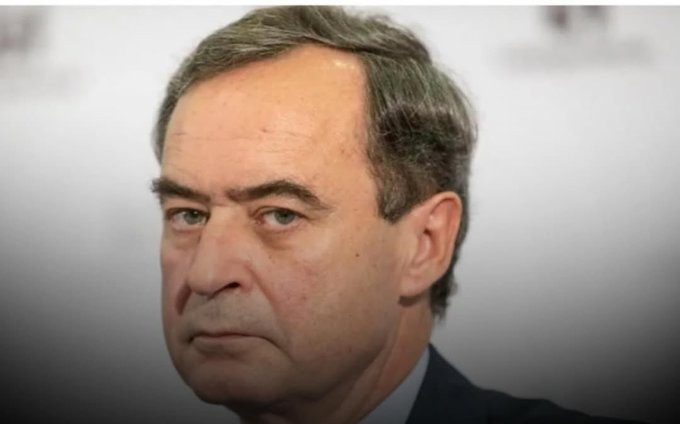
Former Lafarge chief executive Bruno Lafont was sentenced to six years in prison for terrorism financing, while former deputy managing director Christian Herrault received a five-year sentence. The company itself was fined €1.125 million as part of the ruling. Other individuals previously linked to the case were also found to have played roles in facilitating the payments through intermediaries, though not all received custodial sentences.
The case stems from investigations that began in the mid-2010s after reports emerged that Lafarge’s Syrian subsidiary had continued operations in areas increasingly controlled by armed groups during the country’s civil war. At the time, Syria was already in a state of widespread conflict, with multiple factions, including IS and Nusra Front, controlling large territories and imposing their own systems of governance and taxation.
Prosecutors argued that Lafarge Cement Syria, a subsidiary of the French parent company, engaged in arrangements that involved paying taxes, fees, and other forms of financial compensation to armed groups in order to keep its factory running in the northern town of Jalabiya. These payments, according to the prosecution, were disguised as operational costs but effectively constituted financial support to terrorist organisations.
The defence had maintained that the company’s priority was to ensure the safety of its workers and preserve a critical industrial asset in a volatile environment. Lawyers for the accused argued that the payments were made under extreme duress and were not intended to support terrorism but to avoid harm to employees and maintain evacuation and supply routes.
However, the court rejected these arguments, stating that the company’s leadership had sufficient awareness of the nature of the groups involved and the consequences of the financial transfers. Judges emphasized that the legal threshold for terrorism financing does not require intent to support violent acts directly, but rather knowledge that funds are being directed to designated terrorist organisations.
The ruling has been widely described as a precedent-setting case in France, highlighting the legal risks faced by multinational corporations operating in conflict zones. It underscores the growing scrutiny of corporate conduct in fragile environments, particularly where engagement with armed groups may be required to sustain operations.
Legal experts say the decision could reshape how companies assess risk in war-affected regions, particularly in industries such as construction, energy, and mining, where operational continuity often intersects with security negotiations involving non-state actors.
Human rights organisations have welcomed the judgment, describing it as a significant step toward corporate accountability. They argue that businesses must not be allowed to operate in conflict zones in ways that indirectly or directly fund armed groups responsible for atrocities.
At the same time, some business analysts have raised concerns that the ruling could complicate corporate decision-making in high-risk environments, potentially discouraging investment or leading companies to withdraw entirely from regions where governance structures have collapsed.
The case has also reignited debate over the responsibilities of multinational corporations operating in war zones, particularly regarding how far they should go to protect employees and assets without violating international laws on terrorism financing.
For France, the verdict represents a major moment in its legal history, as it is the first time a corporation has been convicted under anti-terrorism financing laws. The decision is expected to be closely studied in other jurisdictions, particularly within the European Union, where regulators are increasingly focusing on corporate compliance in global operations.
The convicted individuals are expected to appeal the ruling, setting the stage for further legal proceedings in what is already considered one of the most significant corporate criminal cases to emerge from the Syrian conflict.
📩 Stone Reporters News | 🌍 stonereportersnews.com
✉️ info@stonereportersnews.com | 📘 Facebook: Stone Reporters News | 🐦 X (Twitter): @StoneReportNew | 📸 Instagram: @stonereportersnews
Add comment
Comments