

Reported by: Ijeoma G | Edited by: Oravbiere Osayomore Promise.
Communities in Agana and Mbatsaida in Benue State are grappling with grief and widespread destruction following a violent incident on April 4, 2026, which left at least 11 people dead and more than 25 homes destroyed. The attack, attributed by local accounts to suspected armed herders, has intensified concerns over persistent insecurity in parts of the state and renewed calls for stronger protection of rural populations.
Survivors described the assault as sudden and overwhelming, with armed individuals reportedly entering the communities, causing panic and forcing residents to flee. Homes were set ablaze during the incident, while multiple families were displaced and are now taking refuge in nearby settlements and temporary shelters. The destruction of property has also deepened fears about long-term recovery for affected households, many of whom depend on farming for their livelihoods.
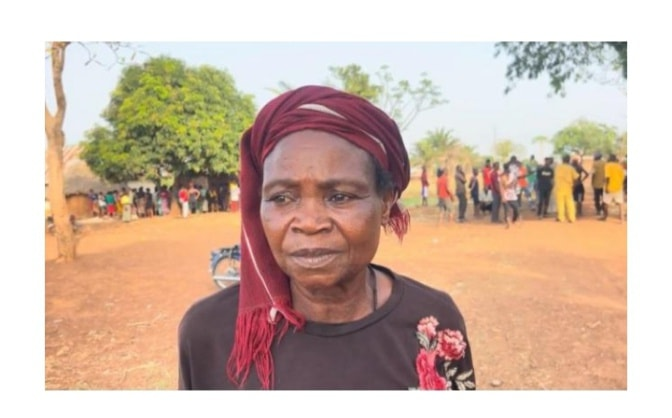
Among those directly affected is an 80-year-old resident, Gizan Torngila, who said she lost three of her children during the attack. She recounted that the event unfolded in the early hours when gunfire was heard, prompting residents to escape into surrounding bush paths to avoid being caught in the violence. Speaking about her experience, she described the emotional toll as overwhelming and said she continues to struggle with sleep and appetite in the aftermath of the tragedy.
Torngila explained that she has given birth to nine children in total, but now only six remain alive following the incident. She said the loss of her children in a single attack has left her deeply distressed and unable to fully comprehend the scale of the tragedy affecting her family and community. Her account reflects the broader trauma experienced by many residents who lost relatives or were separated during the chaos.
Community members who spoke about the incident said it was part of a pattern of repeated attacks in the area, rather than an isolated event. They expressed concern that despite earlier incidents, adequate security measures had not been sustained to prevent further violence. According to local leaders, the repeated nature of such attacks has created a climate of fear, with residents increasingly hesitant to return to farms or travel long distances within their communities.
The violence also resulted in significant damage to agricultural land, which is the primary source of income for many households in the affected areas. Crops were reportedly destroyed, and farmlands were abandoned as residents fled for safety. This development has raised concerns about food security and the economic stability of families who rely heavily on seasonal farming activities.
Local leaders emphasized that the ongoing insecurity has had both immediate and long-term consequences, including displacement, disruption of education, and loss of livelihoods. They called for urgent intervention to restore safety and rebuild trust between communities and security agencies. Some leaders also highlighted the psychological impact on survivors, noting that many residents continue to experience trauma and uncertainty.
The Benue State region has experienced recurring incidents of violent clashes involving armed groups and farming communities over recent years. These tensions have often been linked to disputes over land use, grazing routes, and resource access, though each incident varies in context and impact. The latest attack has once again drawn attention to the need for sustained peacebuilding efforts and improved security coordination.
Humanitarian concerns are also growing, as displaced families face challenges accessing food, shelter, and medical care. Local volunteers and neighboring communities have provided some assistance, but resources remain limited. Aid workers warn that prolonged displacement could worsen living conditions and increase vulnerability among affected populations, particularly women, children, and the elderly.
Security authorities in the state have been urged to strengthen patrols and improve intelligence gathering to prevent further attacks. Residents have also been encouraged to share timely information that could help prevent future incidents. However, trust between communities and security agencies remains a challenge in some areas due to repeated experiences of violence.
As the affected communities attempt to recover, attention is focused on both immediate relief and long-term strategies to address insecurity. Stakeholders continue to emphasize that durable peace will require coordinated efforts involving government institutions, security agencies, and local communities working together to address underlying tensions and prevent further loss of life.
State authorities have acknowledged growing insecurity in parts of rural Benue and say efforts are being intensified to prevent further escalation. Security deployments have been increased in affected corridors, with joint patrols aimed at deterring armed groups and restoring confidence among residents. Officials have also reiterated the importance of community cooperation in providing intelligence that could help security forces respond more effectively to emerging threats.
Humanitarian response efforts remain limited as displaced families continue to depend on ad hoc support from neighbouring villages and local volunteers. Relief materials such as food, bedding, and basic medical supplies are insufficient to meet the needs of those affected, particularly vulnerable groups including children and the elderly. Aid coordinators have warned that prolonged displacement without structured assistance could deepen hardship and slow recovery in the affected communities.
The incident has also reignited broader national discussions on recurring violence in Nigeria’s Middle Belt, where clashes between farming communities and armed groups have persisted for years. Analysts and civil society actors continue to call for comprehensive approaches that combine security measures with dialogue, land-use reforms, and long-term development strategies. Many observers argue that addressing underlying grievances is essential to achieving sustainable peace in affected regions.
As investigations continue, attention remains focused on ensuring accountability and preventing further attacks. Community leaders have urged sustained engagement between government institutions and local populations to rebuild trust and create early warning systems capable of identifying potential threats before they escalate into violence.
Observers say restoring stability will require consistent security presence and long-term investment in rural infrastructure to reduce vulnerability and strengthen resilience among affected communities and support recovery after repeated incidents in the region.
📩 Stone Reporters News | 🌍 stonereportersnews.com
✉️ info@stonereportersnews.com | 📘 Facebook: Stone Reporters News | 🐦 X (Twitter): @StoneReportNew | 📸 Instagram: @stonereportersnews
Add comment
Comments