

Reported by: Ijeoma G | Edited by: Oravbiere Osayomore Promise.
The Nigerian government is facing mounting international legal pressure as a group of foreign-based lawyers prepares to initiate proceedings in the United Kingdom over the continued detention of Nnamdi Kanu, a prominent separatist figure whose case has drawn global scrutiny for years. The planned action centres on allegations that Nigeria has failed to comply with a United Nations opinion calling for his release, raising fresh questions about the country’s adherence to international human rights standards.
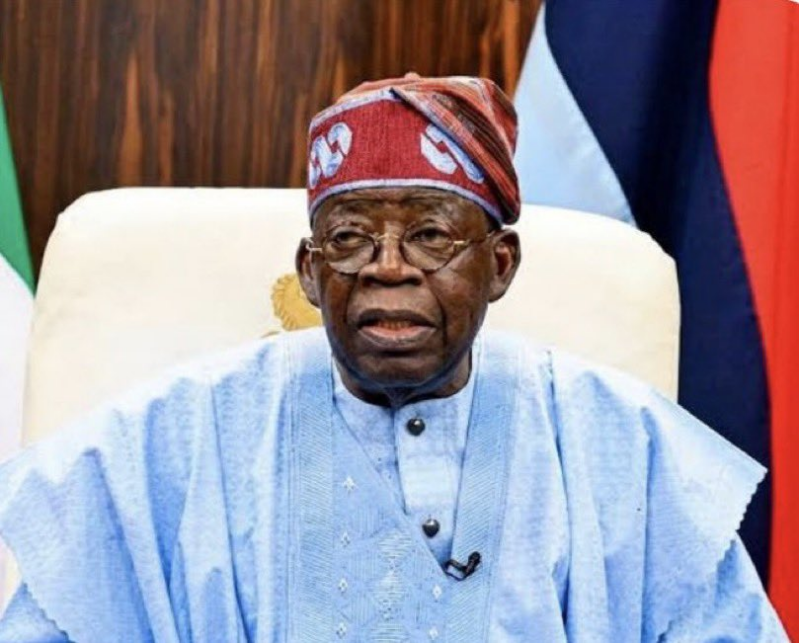
The legal threat, conveyed through a formal pre-action notice, was issued by a consortium of international legal practitioners under the banner of Pan African Forum & Associates. The notice, addressed to the administration of President Bola Tinubu, outlines intentions to seek judicial intervention in the UK if Nigerian authorities do not take steps to address what the group describes as unlawful detention. The lawyers argue that Nigeria’s continued imprisonment of Kanu contradicts findings made by a United Nations human rights body in 2022.
Central to the dispute is an opinion delivered by the United Nations Working Group on Arbitrary Detention, which concluded that Kanu’s arrest and detention violated provisions of international law. The Working Group called for his immediate release and recommended that he be compensated for what it described as rights violations. However, the Nigerian government has not acted on these recommendations, maintaining its position that Kanu is being lawfully held under domestic legal processes.
The legal team behind the proposed UK action contends that Nigeria’s inaction amounts to a breach of its international obligations. They argue that although the UN Working Group’s opinions are not binding in the same way as court judgments, they carry significant moral and legal weight, particularly for countries that are signatories to international human rights treaties.
Kanu, a dual Nigerian-British citizen and founder of the Indigenous People of Biafra, has remained one of the most controversial political figures in Nigeria. His movement advocates for the secession of southeastern Nigeria, reviving the legacy of Biafra, a region that attempted independence during the Nigerian civil war of the late 1960s. While supporters view him as a freedom campaigner, the Nigerian government has consistently accused him of inciting violence and threatening national unity.
His legal battles date back over a decade. He was first arrested in 2015 on charges including treasonable felony and later granted bail in 2017 before fleeing the country. In June 2021, he was rearrested abroad and returned to Nigeria under circumstances that have since been widely contested. His legal team has described the operation as an extraordinary rendition, arguing that it violated both international law and his fundamental rights.
Nigerian authorities, however, have defended the operation, insisting it was conducted within the bounds of the law and necessary for national security. Officials have repeatedly linked Kanu to activities that allegedly fueled unrest in southeastern Nigeria, including attacks on security personnel and enforcement of controversial sit-at-home orders that have disrupted daily life in the region.
The legal situation took a decisive turn in late 2025 when a Federal High Court in Abuja convicted Kanu on terrorism-related charges and sentenced him to life imprisonment. The ruling marked a significant escalation in the government’s stance and was seen by many observers as a signal of its determination to bring the prolonged case to a conclusion through the judicial system.
Despite the conviction, international attention has persisted, particularly because of Kanu’s British citizenship and the broader implications of his arrest and trial. Advocacy groups and some foreign legal experts have continued to question the legality of his detention, pointing to the earlier UN opinion as evidence that his rights may have been violated.
The planned legal action in the United Kingdom introduces a new dimension to the case, potentially bringing Nigeria into the jurisdiction of a foreign court. While it remains uncertain how UK courts would handle such a matter, legal analysts note that cases involving human rights claims against foreign governments are often complex and can hinge on issues such as jurisdiction, sovereign immunity, and the enforceability of international legal opinions.
There has been no official response from Nigerian authorities regarding the latest legal threat. However, previous statements from government officials suggest a firm stance that Kanu’s case is a domestic legal matter. The administration has consistently emphasized the independence of the judiciary and the importance of allowing the legal process to run its course without external interference.
Within Nigeria, the case continues to have far-reaching political and social consequences. In the southeast, where Kanu enjoys significant support, his detention has been linked to recurring protests and economic disruptions. Local leaders and stakeholders have at times called for dialogue and political solutions, warning that prolonged detention could exacerbate tensions.
At the same time, security concerns remain a major factor influencing government policy. Authorities argue that maintaining law and order is paramount and that any actions perceived as undermining national stability must be addressed firmly. This position has been reinforced by ongoing security challenges in various parts of the country, which officials say necessitate a cautious approach.
The involvement of international legal actors underscores the growing global dimension of the case. It reflects broader debates about the balance between national sovereignty and international human rights obligations, particularly in cases involving politically sensitive figures.
For now, the situation remains in a state of uncertainty. The legal team has indicated that it will proceed with action in the UK if its demands are not met within a specified timeframe, while the Nigerian government has yet to signal any shift in its position. Observers say the coming weeks could prove decisive in determining whether the dispute escalates into a full-fledged international legal confrontation.
As developments unfold, the case of Nnamdi Kanu continues to serve as a focal point for discussions about justice, sovereignty, and human rights, both within Nigeria and on the global stage. Whether the threatened legal action will alter the trajectory of his detention remains to be seen, but it has already intensified scrutiny of one of the country’s most contentious and enduring legal battles.
📩 Stone Reporters News | 🌍 stonereportersnews.com
✉️ info@stonereportersnews.com | 📘 Facebook: Stone Reporters News | 🐦 X (Twitter): @StoneReportNew | 📸 Instagram: @stonereportersnews
Add comment
Comments