

Reported by: Ijeoma G | Edited by: Oravbiere Osayomore Promise.
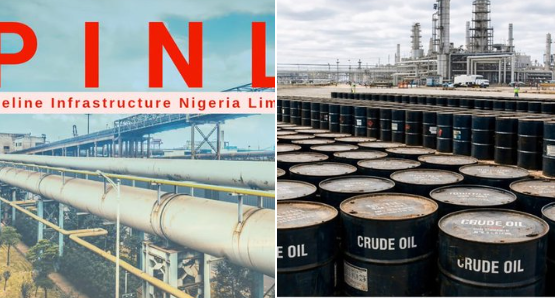
Nigeria has lost an estimated $226.734 billion in potential crude oil revenue following the suspension of oil production in Ogoniland since 1993, according to Pipeline Infrastructure Nigeria Limited, a firm responsible for protecting key oil assets in the Niger Delta. The disclosure has renewed focus on the long-running crisis in the oil-rich region and the economic consequences of decades of halted production.
The figure was presented during stakeholder engagements involving industry players and community representatives, where concerns over pipeline vandalism, crude oil theft, and production disruptions were discussed. According to the company, the estimate represents cumulative losses from crude oil that could have been produced and exported from Ogoni fields over more than 30 years if operations had not been suspended.
Oil production in Ogoniland, located in Rivers State, was halted in 1993 following widespread protests by local communities over environmental degradation and perceived neglect. The protests, led by the Movement for the Survival of the Ogoni People, brought global attention to the environmental impact of oil exploration in the Niger Delta and led to the withdrawal of major oil companies from the area.
Despite the cessation of production activities, oil infrastructure, including pipelines, has remained in place across the region. Over the years, these facilities have been associated with recurring incidents of vandalism, oil spills, and illegal tapping, further compounding the environmental challenges faced by local communities.
Pipeline Infrastructure Nigeria Limited linked the estimated financial loss not only to the prolonged shutdown of production but also to ongoing issues of sabotage and crude theft in the wider Niger Delta. The company warned that such activities continue to threaten Nigeria’s oil output and undermine efforts to stabilise the sector.
The Trans-Niger Pipeline, which runs through Ogoniland, remains one of the country’s most strategic oil transport routes, conveying crude to export terminals. Disruptions along this corridor have historically had significant implications for national production levels and revenue generation.
Industry observers note that the $226.734 billion figure represents an opportunity cost, reflecting the revenue Nigeria could have earned if oil production had continued uninterrupted in the area since 1993. While the estimate highlights the economic impact, it also underscores the complex factors that have prevented the resumption of operations.
Environmental concerns remain central to the Ogoni issue. Decades of oil spills have left large portions of the region polluted, affecting farmland, water sources, and livelihoods. Communities have consistently demanded comprehensive clean-up efforts, compensation, and assurances against future environmental damage before any resumption of oil activities.
Although some clean-up initiatives have been launched in recent years, including government-backed remediation projects, stakeholders have expressed concerns about the pace and effectiveness of these efforts. Many residents argue that significant environmental restoration must be completed before oil exploration can resume safely.
The absence of oil production has not necessarily translated into improved living conditions for communities in the area. Many residents continue to face economic hardship, limited infrastructure, and environmental health risks linked to past pollution.
At the national level, the prolonged shutdown has contributed to broader challenges in Nigeria’s oil sector, including reduced output capacity and revenue losses. The country has struggled in recent years to meet its production targets, with factors such as pipeline vandalism, oil theft, and operational inefficiencies playing significant roles.
Security agencies and surveillance contractors have intensified efforts to curb illegal activities along pipelines, with some success in intercepting crude theft operations and dismantling illegal refining sites. However, the persistence of these activities indicates that underlying issues, including poverty and weak enforcement mechanisms, remain unresolved.
The federal government has at various times expressed interest in resuming oil production in Ogoniland as part of efforts to boost national revenue. However, such proposals have faced resistance from community groups and environmental advocates, who insist that longstanding grievances must be addressed first.
Experts argue that any attempt to restart production without resolving environmental and social concerns could lead to renewed tensions and further disruptions. They emphasize the need for a balanced approach that prioritises environmental restoration, community engagement, and transparent governance.
The disclosure by Pipeline Infrastructure Nigeria Limited has once again drawn attention to the strategic importance of Ogoniland within Nigeria’s oil industry. It also highlights the broader implications of resource management challenges in the Niger Delta, where economic interests, environmental sustainability, and community rights remain deeply intertwined.
As discussions continue over the future of oil production in the region, stakeholders are expected to focus on finding sustainable solutions that address both economic and environmental priorities. For Nigeria, the estimated $226.734 billion loss serves as a reminder of the high stakes involved and the need for long-term strategies to prevent similar disruptions in the future.
📩 Stone Reporters News | 🌍 stonereportersnews.com
✉️ info@stonereportersnews.com | 📘 Facebook: Stone Reporters News | 🐦 X (Twitter): @StoneReportNew | 📸 Instagram: @stonereportersnews
Add comment
Comments