

Reported by: Ijeoma G | Edited by: Oravbiere Osayomore Promise.
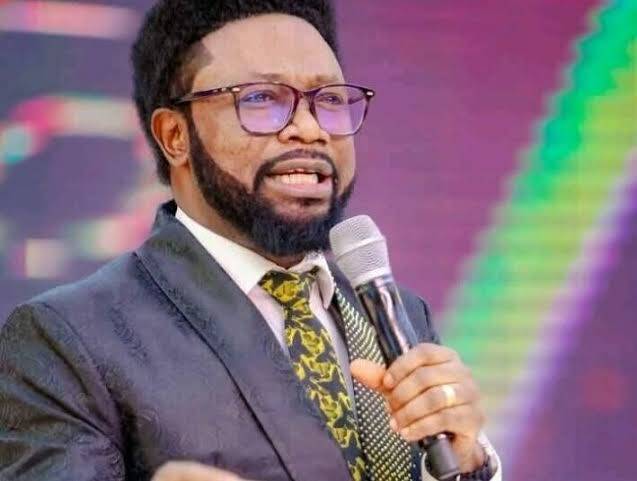
Pastor Joshua Iginla’s recent call for Nigeria’s opposition to rally behind Peter Obi as a single presidential candidate for the 2027 election is not an isolated remark, but part of a broader and evolving political conversation shaped by coalition politics, internal rivalries, and growing pressure to challenge the ruling All Progressives Congress effectively.
The cleric, who leads the Champion Royal Assembly, has consistently spoken on Nigeria’s political trajectory in the build-up to the next general election. His latest position reflects a clear argument: the opposition’s only realistic path to power lies in unity, and in his view, Peter Obi represents the most viable figure to lead that effort. This stance builds on earlier remarks in which he cautioned Obi against accepting a subordinate role in any coalition arrangement, insisting that doing so would weaken his political influence and squander the support base he has cultivated.
Iginla’s comments come against the backdrop of intensifying political realignments ahead of the 2027 general election. Nigeria’s political environment has already entered an early phase of strategic positioning, with both the ruling party and opposition blocs actively reorganizing for what is expected to be a highly competitive contest.
Central to this evolving landscape is the emergence of coalition efforts among opposition forces, including alignments involving key political actors such as Peter Obi and former Vice President Atiku Abubakar. These discussions are largely driven by a shared objective of presenting a formidable challenge to President Bola Ahmed Tinubu and the All Progressives Congress. However, while talks of alliances have gained traction, they have also exposed underlying tensions over leadership, zoning, and party identity.
A major unresolved issue within the opposition remains the question of who should lead any united front. Analysts and political insiders have repeatedly pointed out that without a clear presidential candidate and unified strategy, coalition efforts risk collapsing under the weight of internal disagreements. It is this uncertainty that gives significance to Iginla’s intervention, as he attempts to steer the conversation toward a consensus around Obi.
Peter Obi’s political trajectory explains why his name continues to dominate discussions around opposition unity. A former governor of Anambra State and the Labour Party’s presidential candidate in 2023, Obi emerged as a significant political force by mobilizing a large base of young and urban voters. His campaign introduced a new dynamic into Nigerian politics, challenging the long-standing dominance of the two major parties and demonstrating that a third-force candidate could achieve substantial electoral impact.
Following the 2023 election, which was won by President Tinubu after a tightly contested race, Obi remained a central figure in national discourse. His supporters, often referred to as a movement rather than a traditional political base, have continued to advocate for reforms in governance, transparency, and economic management. This sustained relevance has made him a focal point in discussions about the future of opposition politics in Nigeria.
However, Obi’s role within any potential coalition remains a subject of debate. Some political actors have suggested power-sharing arrangements that could see him take a secondary position, an idea that has generated resistance among his supporters. It is within this context that Iginla’s warning gains importance. By urging Obi not to accept a lesser role, the cleric reinforces the argument that leadership clarity is essential for opposition success.
Beyond individual candidacy, Iginla’s broader message underscores a recurring theme in Nigerian electoral politics: the consequences of opposition fragmentation. Historical patterns show that divided opposition parties often split votes, thereby strengthening the incumbent’s chances of victory. Political analysts have consistently argued that only a united front can effectively challenge the structural advantages enjoyed by ruling parties, including access to state resources and established political networks.
The current political climate adds urgency to these discussions. Nigeria continues to face significant economic and social challenges, including inflation, currency instability, unemployment, and security concerns. These issues have intensified public scrutiny of governance and increased demand for alternative leadership options. The opposition coalition has sought to position itself as a viable alternative capable of addressing these concerns, but questions remain about its cohesion and readiness.
Despite growing calls for unity, the opposition landscape is still marked by competing ambitions and differing strategic visions. Negotiations over alliances often involve complex considerations, including regional balance, party loyalty, and long-term political calculations. These factors make consensus difficult, even when there is broad agreement on the need for collaboration.
Reactions to Iginla’s remarks have been mixed. Supporters of Peter Obi have welcomed the statement, viewing it as an endorsement of his leadership potential and a reflection of his national appeal. They argue that his performance in the last election demonstrated both popularity and the capacity to build a cross-regional coalition.
Critics, however, caution against prematurely settling on a single candidate. They emphasize that coalition-building requires careful negotiation and strategic planning beyond individual popularity. Some analysts also note that the success of any opposition alliance will depend not only on the choice of candidate but also on the strength of its policy agenda and grassroots mobilization.
Religious voices like Iginla’s continue to play a notable role in Nigeria’s political discourse. Clerics often command significant followings, and their statements can influence public opinion, particularly in a society where religion intersects closely with governance and social life. While such interventions sometimes generate controversy, they also reflect the broader engagement of civil society in political processes.
As the 2027 election draws closer, the central question remains whether the opposition can overcome its internal divisions and present a united front capable of mounting a credible challenge. The stakes are high, not only for political actors but also for voters seeking effective leadership in a complex and evolving democratic environment.
Iginla’s message ultimately distills a strategic dilemma facing the opposition: unity with compromise, or fragmentation with predictable consequences. Whether his call will translate into concrete political action remains uncertain, but it has undoubtedly intensified ongoing debates about leadership, strategy, and the future direction of Nigeria’s opposition politics.
📩 Stone Reporters News | 🌍 stonereportersnews.com
✉️ info@stonereportersnews.com | 📘 Facebook: Stone Reporters News | 🐦 X (Twitter): @StoneReportNew | 📸 Instagram: @stonereportersnews
Add comment
Comments