

Reported by: Ijeoma G | Edited by: Oravbiere Osayomore Promise.
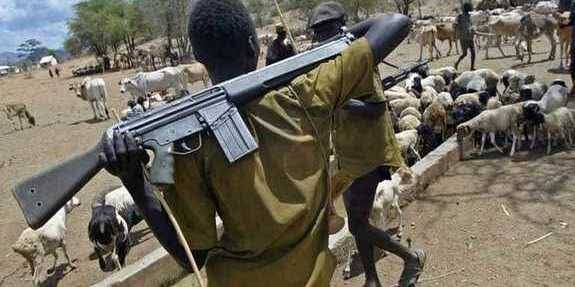
At least five people have been killed in a renewed attack on Tse Ameen community in Gwer West Local Government Area of Benue State, in what residents and authorities describe as another assault by suspected armed herders. The incident, which occurred in the early hours of the day, has once again highlighted the persistent insecurity affecting rural communities in Nigeria’s Middle Belt.
Local accounts indicate that the attackers entered the community before dawn, when most residents were still asleep. Eyewitnesses said the gunmen opened fire indiscriminately, causing panic as villagers fled into surrounding bushes and farmlands for safety. Several homes were reportedly abandoned during the chaos, with some structures left damaged in the aftermath of the assault.
Community leaders confirmed that five people were killed in the attack, though the identities of all the victims were still being compiled as families tried to account for missing relatives. Some residents said the victims were mainly farmers who had little chance to escape once the shooting began. The attackers were said to have operated for a short period before leaving the area without being intercepted.
Security forces were later deployed to Tse Ameen following distress calls from residents. Authorities in Benue State acknowledged the incident and confirmed casualties, stating that efforts were underway to track those responsible. However, residents expressed frustration that the response came after the attackers had already fled, a pattern they say has repeated itself in several previous incidents across the region.
Gwer West Local Government Area has been one of the most affected parts of Benue State in the ongoing cycle of violence between farming communities and suspected armed herders. The area’s rural settlements, including Tse Ameen, are largely dependent on agriculture, making them vulnerable to conflicts over land use and grazing access. Over the years, these tensions have escalated into violent confrontations, often involving armed groups and resulting in significant loss of life.
Benue State has long struggled with recurring attacks attributed to disputes over farmland and grazing routes. In response, the state government introduced an anti-open grazing law aimed at restricting the movement of livestock and encouraging ranch-based animal husbandry. While the law was intended to reduce clashes, enforcement challenges and resistance from various groups have limited its effectiveness, and violent incidents have continued in several parts of the state.
Residents of Tse Ameen said the latest attack was not entirely unexpected. Some community members claimed there had been signs of unusual movements in nearby areas in the days leading up to the incident. Despite these concerns, they said no visible increase in security presence was observed, leaving the community exposed. This has raised renewed questions about early warning systems and preventive security measures in vulnerable rural areas.
The killings have added to the growing humanitarian burden in Benue State, where repeated attacks have displaced thousands of people over time. Many of those affected by earlier incidents remain in internally displaced persons camps or are staying with host communities under difficult conditions. Humanitarian organizations have warned that continued violence is worsening living conditions, particularly for women and children who make up a large portion of displaced populations.
Agricultural activity in the region has also been significantly disrupted. Farmers in Gwer West and surrounding areas increasingly avoid their farmlands due to fear of attacks, especially during early morning or evening hours when such incidents are more likely to occur. This has raised concerns about food production and economic stability in a state known for its agricultural output.
Security analysts describe the situation as part of a broader and complex conflict driven by multiple factors, including competition over land, environmental pressures, population growth, and the spread of illegal arms. While often described in terms of farmer-herder clashes, experts note that criminal elements have also exploited the insecurity to carry out violent attacks, further complicating efforts to address the crisis.
Local and state authorities have repeatedly called for increased federal intervention and improved security deployment in high-risk areas. Community leaders have also urged a more sustained presence of security forces, better intelligence gathering, and stronger collaboration with local vigilante groups who are often the first responders during attacks.
Political leaders from Benue State have condemned the latest killings, describing them as unacceptable and calling for urgent steps to protect vulnerable communities. They have also appealed for calm, warning against retaliatory actions that could escalate tensions further. However, residents continue to express concern over what they see as a recurring cycle of violence without lasting resolution.
As investigations continue into the Tse Ameen attack, attention remains focused on whether security agencies can identify and apprehend those responsible. For families affected by the incident, the immediate reality is one of grief and uncertainty, while for many other communities across Benue, the fear of similar attacks remains ever present.
The latest killings add to a long list of violent incidents in the region, reinforcing calls for a more comprehensive and effective strategy to address the underlying causes of insecurity in Nigeria’s Middle Belt.
📩 Stone Reporters News | 🌍 stonereportersnews.com
✉️ info@stonereportersnews.com | 📘 Facebook: Stone Reporters News | 🐦 X (Twitter): @StoneReportNew | 📸 Instagram: @stonereportersnews
Add comment
Comments