

Reported by: Oahimire Omone Precious | Edited by: Oravbiere Osayomore Promise.
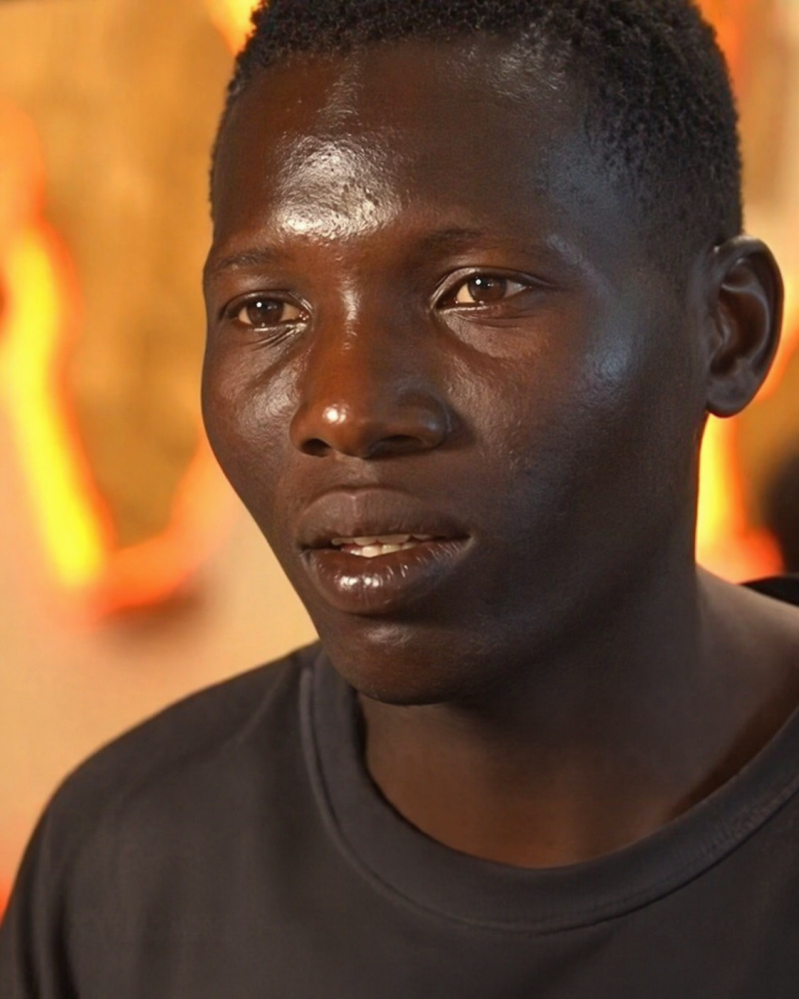
A 23-year-old Nigerian man who spent nearly six years locked up without ever being convicted of a crime has finally walked free from Kirikiri Correctional Centre in Lagos, only to discover that his mother has vanished. Rasheed Wasiu was just 17 years old when he was arrested during the nationwide #EndSARS protests in October 2020. Despite maintaining that he did not participate in the demonstrations, he was detained by members of the Oodua Peoples Congress (OPC) and later transferred to police custody. Initially accused of looting, the charges were later changed to unlawful possession of firearms. For nearly half a decade, his case languished in the courts, stalled by repeated adjournments, legal backlogs, and even the death of one of his defence lawyers. A Lagos High Court eventually struck out the case for lack of evidence, following persistent intervention from the Take It Back Movement, a civil society group that has supported dozens of protest‑related detainees.
Rasheed’s ordeal began on October 21, 2020, at the height of the #EndSARS uprising, when thousands of young Nigerians took to the streets to demand an end to police brutality and the disbandment of the Special Anti‑Robbery Squad (SARS). While the protests were largely peaceful in many parts of Lagos, the Lekki Toll Gate shooting on October 20, 2020, triggered a nationwide crackdown. In the ensuing chaos, security agencies and local vigilante groups rounded up hundreds of people. Rasheed was at home in the Ikorodu area of Lagos when he says OPC members stormed his neighbourhood. “I was not at any protest. I was inside the house helping my mother,” he told reporters after his release. “They just picked me up and said I was a protester.” He was never charged with a protest‑related offence. Instead, the police first accused him of looting, then later claimed he was in illegal possession of a firearm, a charge that carries a potential life sentence if proved.
From the age of 17 to 23, Rasheed was moved from police stations to the Kirikiri Correctional Centre, where he remained for most of the six years. He attended court hearings dozens of times, but each session was adjourned due to missing case files, unavailable prosecutors, or overcrowded dockets. At one point, his lead counsel passed away, further delaying his case. “I lost hope many times. I thought I would die in that prison,” he said in a telephone interview shortly after his release. “Other inmates were coming and going. Some were convicted, some got bail. I just stayed.” Under Nigerian law, a suspect can be held on remand indefinitely if their case is not brought to trial, a provision that has led to a chronic backlog of pre‑trial detainees across the country. According to the National Human Rights Commission of Nigeria, at least 70 percent of prison inmates are awaiting trial, many of them for periods far exceeding the maximum sentence for the offences they are alleged to have committed.
Rasheed’s legal breakthrough came after the Take It Back Movement, which has documented dozens of similar cases, escalated his plight to a public interest lawyer. A Lagos High Court judge, reviewing the case file, noted that the prosecution had not produced any witness or forensic evidence linking Rasheed to a firearm. No weapon was tendered. No ballistic report existed. The only “evidence” was a verbal accusation that had never been substantiated. The court struck out the case for want of diligent prosecution, and Rasheed was given his freedom on April 21, 2026.
But freedom brought fresh anguish. When Rasheed returned to his family home in Ikorodu, he found it empty. Neighbours told him that his mother, Mrs. Sekinat Wasiu, had disappeared weeks after his arrest. According to relatives speaking to the Take It Back Movement, the mother had repeatedly visited police stations and the prison to inquire about her son. She allegedly received threats from unidentified individuals warning her to stop “interfering with a security matter”. One morning in 2021, she left home to buy food and never returned. Her phone has been switched off ever since. A missing person report filed at the Ikorodu Police Division has yielded no result. “I just want to see my mother again,” Rasheed said, his voice breaking. “She warned me not to go outside that day. She was so afraid. I should have listened.”
Rasheed’s case is not extraordinary. It is a grim reflection of a justice system where the poor and the marginalised can be locked away for years without ever facing a proper trial. His release came not because he was found innocent, but because the prosecution simply failed to do its job. The Take It Back Movement has documented at least 145 suspected EndSARS protesters who remained in custody as of late 2025, many of them facing charges that were later dropped for lack of evidence. The group has called on the Lagos State Government to institute a mass review of all protest‑related detentions and pay compensation to those unlawfully held.
Rasheed now lives with an uncle in Ibadan. He has no formal job. The tailoring apprenticeship he started before his arrest is now a distant memory. “I am 23 years old. My mates have finished university. Some are married. I have nothing,” he said. “But I will not give up. I will learn a trade again. And I will keep searching for my mother.” The Lagos State Police Command has not issued a statement on Rasheed’s case, and calls to the Police Public Relations Officer went unanswered. For now, the young man who lost nearly six years to a broken justice system must now find a way to rebuild a life that was stolen from him, all while praying that his mother is still alive somewhere, waiting to be found.
📩 Stone Reporters News | 🌍 stonereportersnews.com
✉️ info@stonereportersnews.com | 📘 Facebook: Stone Reporters News | 🐦 X (Twitter): @StoneReportNew | 📸 Instagram: @stonereportersnews
Add comment
Comments