

Reported by: Oahimire Omone Precious | Edited by: Pierre Antoine
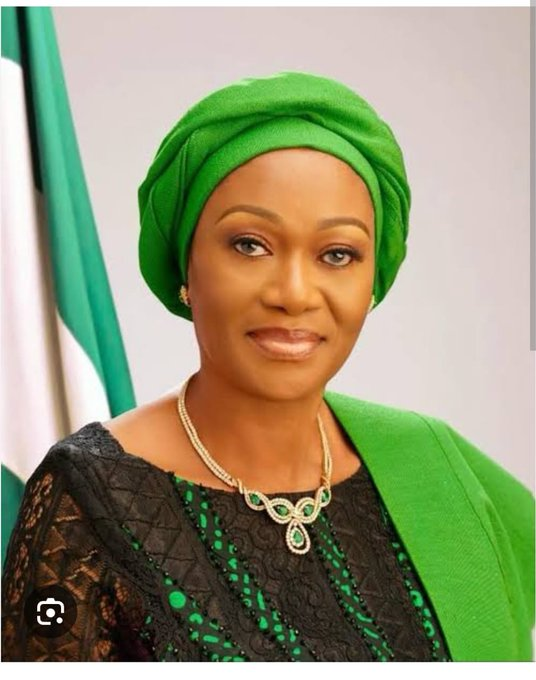
Nigeria’s First Lady, Senator Oluremi Tinubu, has called for stronger unity, increased domestic financing and wider access to prevention and treatment tools as Nigeria joins the world to mark 2026 World Malaria Day.
In her message, she said achieving a malaria-free world requires people, institutions and communities to be united in purpose. She urged sustained collaboration, stronger prevention efforts, support for life-saving interventions and innovative responses to challenges including drug resistance and unequal access to healthcare.
Her remarks come as global health authorities warn that malaria remains a major public health threat, especially in Africa. The World Health Organization says World Malaria Day 2026 is marked under the global campaign “Driven to End Malaria: Now We Can. Now We Must,” with emphasis on protecting lives now and funding a malaria-free future.
According to WHO data cited in its latest malaria reporting, there were an estimated 282 million malaria cases and 610,000 deaths globally in 2024. The African region carried the heaviest burden, while Nigeria accounted for the largest share of malaria deaths in Africa.
Tinubu’s message focused on prevention, access and national responsibility. She said communities, especially vulnerable populations, must have the materials needed to prevent and treat malaria. These include treated mosquito nets, diagnostic tools, effective medicines and other interventions used by health workers across affected areas.
The First Lady also stressed domestic financing, a key issue as malaria programmes continue to depend heavily on donor support. WHO has warned that malaria funding remains far below global targets, with 2024 funding estimated at $3.9 billion, less than half of the $9.3 billion target for 2025. (World Health Organization)
Nigeria’s malaria challenge remains severe because transmission is widespread and many households still face barriers to timely testing, treatment and prevention. Children under five and pregnant women remain among the most vulnerable groups.
Health experts say progress will depend on consistent investment, stronger primary healthcare, effective surveillance, environmental sanitation, community education and reliable access to quality medicines. WHO has also identified drug resistance, insecticide resistance, diagnostic failures and invasive mosquito species as threats that could undermine progress if not addressed.
Tinubu said collective resolve could reduce infections and malaria-related deaths, adding that unity remains central to achieving a malaria-free future.
📩 Stone Reporters News | 🌍 stonereportersnews.com
✉️ info@stonereportersnews.com | 📘 Facebook: Stone Reporters News | 🐦 X (Twitter): @StoneReportNew | 📸 Instagram: @stonereportersnews
Add comment
Comments