

Reported by: Oahimire Omone Precious | Edited by: Oravbiere Osayomore Promise.
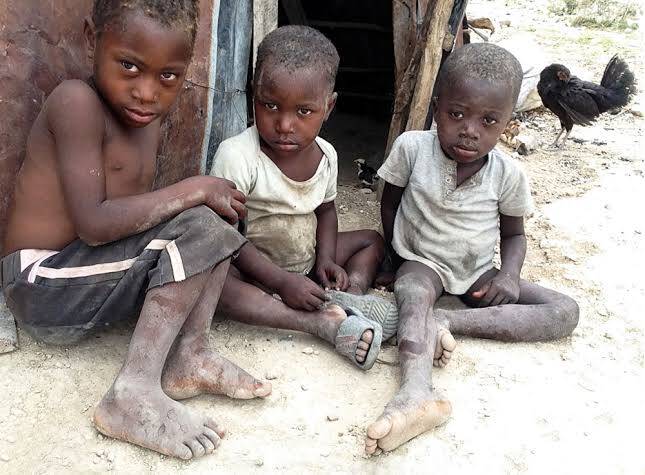
Africa’s routine immunisation programmes are delivering measurable public health impact at scale, with millions of lives saved and families protected from vaccine-preventable diseases. Yet even as these successes mount, a troubling gap persists: an estimated 6.7 million children across the continent have never received a single routine vaccine, according to a new assessment released by the World Health Organization (WHO) ahead of African Vaccination Week 2026.
The disclosure, contained in a statement shared with journalists on Sunday, marks the first comprehensive regional review of immunisation progress since the end of the COVID-19 pandemic. WHO Regional Director for Africa, Dr Mohamed Janabi, said the commemoration highlights the importance of immunisation at all stages of life, noting that vaccines protect not only children but also adolescents, adults and older persons. “Every year, vaccines prevent around 1.8 million deaths in Africa,” Janabi added. “A saved life is more than a number; it represents families kept whole and communities able to thrive.”
The gains are substantial. Since 2000, routine immunisation has protected roughly 500 million African children. Measles vaccination alone has saved nearly 20 million lives over the same period, and meningitis deaths have fallen by nearly 40%. In 2024 alone, vaccines are estimated to have saved at least 1.9 million lives, with measles vaccination accounting for 42% of that total. The region has also expanded its routine schedule from 8 to 13 vaccine-preventable diseases, including the recent introduction of malaria vaccines in 25 countries and human papillomavirus (HPV) vaccines in 35 nations.
Yet these achievements sit alongside a deeply troubling reality. The COVID-19 pandemic widened existing inequities, increasing the number of so‑called “zero‑dose” children – infants who have not received any routine vaccine, defined as missing the first dose of the diphtheria, tetanus and pertussis‑containing vaccine (DTP1). Regional coverage for most vaccine doses returned to pre‑pandemic levels by 2024, but the 6.7 million zero‑dose children remain heavily concentrated in a small number of countries. Ten nations account for 80% of the burden, with Nigeria carrying the world’s highest load of zero‑dose children – an estimated 2.2 million in 2023 alone, primarily in the Northwest and Northeast regions.
Health officials warn that the zero‑dose crisis is not about the effectiveness of vaccines but about access and equity. The WHO’s Director for Disease Prevention and Control, Dr Benido Impouma, stated at a recent briefing that it is unacceptable in the 21st century for children to remain beyond the reach of basic vaccines because of weak health systems and poor access. “It’s not just an issue around vaccine access but around health systems,” he said. The WHO and its partners have responded with a multi‑year “Big Catch‑Up” initiative. Between 2023 and 2025, the BCU delivered more than 100 million doses of life‑saving vaccines across 36 countries, reaching an estimated 18.3 million children aged 1 to 5 who had missed routine immunizations. Of these, 12.3 million were zero‑dose children who had never received a vaccine, and 15 million had never received a measles vaccine.
While the BCU made deep inroads – with 12 countries reporting that they reached more than 60% of their zero‑dose children under age five – the initiative was a one‑time emergency response. The WHO, Gavi and UNICEF have repeatedly warned that expanding the reach of routine immunization programmes remains the most effective and sustainable way to protect children. Nigeria, for example, has launched a targeted intervention with Korea and UNICEF to reach the most vulnerable, focusing on underserved urban settlements, border communities and hard‑to‑reach areas. Yet funding pressures now loom. Gavi CEO Dr Sania Nishtar noted that the “continued decline of official development assistance and recent sharp funding cuts to global health have seriously affected the delivery of immunisation services,” including last‑mile outreach and the ability of governments to co‑finance vaccine procurement.
African Vaccination Week 2026, observed from 24 to 30 April under the theme “For Every Generation, Vaccines Work”, seeks to keep immunisation high on national and regional agendas. But the stark contrast between the 1.8 million lives saved each year and the 6.7 million children who remain completely unprotected will test the resolve of governments, donors and health systems alike.
📩 Stone Reporters News | 🌍 stonereportersnews.com
✉️ info@stonereportersnews.com | 📘 Facebook: Stone Reporters News | 🐦 X (Twitter): @StoneReportNew | 📸 Instagram: @stonereportersnews
Add comment
Comments