

Reported by: Ijeoma G | Edited by: Oravbiere Osayomore Promise.
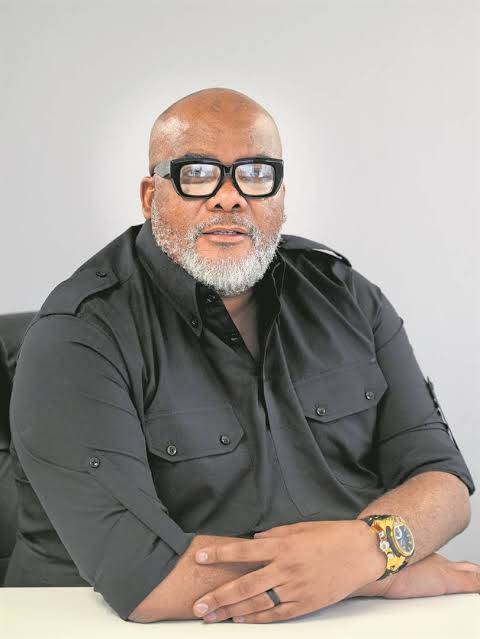
The Federal Government has summoned the acting High Commissioner of South Africa to Nigeria, Mr. Bobby Moroe, to a high‑level meeting scheduled for Monday, May 4, 2026, at the Ministry of Foreign Affairs headquarters in Abuja. The summons follows a fresh wave of anti‑foreigner protests and reported attacks targeting Nigerian citizens and their businesses in South Africa, including the documented deaths of at least two Nigerians in recent weeks.
In a statement issued on Saturday, the Ministry’s Director of Public Affairs, Kimiebi Imomotimi Ebienfa, said the engagement was aimed at formally conveying the Nigerian Government’s “profound concern” regarding events that have the potential to impact the established cordial relations between Africa’s two largest economies. “Discussions will primarily focus on the ongoing demonstrations by various groups within South Africa and the documented instances of mistreatment of Nigerian citizens and attacks on their businesses,” Ebienfa said.
The diplomatic move comes barely a week after Ghana’s Foreign Ministry summoned South Africa’s acting High Commissioner in Accra over similar “xenophobic incidents” against Ghanaians, signalling growing regional unease over recurring anti‑foreigner violence in South Africa. Nigerian officials have pointed to a deteriorating security situation for their citizens, with the Nigerians in Diaspora Commission (NiDCOM) reporting that pupils of Nigerian descent are now afraid to attend school and that genuine business owners have shut down operations over fears of harassment, looting and targeted attacks.
Escalating Violence and a Sobering Body Count
The latest round of tensions has resulted in casualties that authorities can no longer ignore. The Nigerian Consulate in Johannesburg confirmed that two Nigerians, Amaramiro Emmanuel and Ekpenyong Andrew, were killed in the country as anti‑immigrant rhetoric and street violence intensified. One of the victims died from injuries reportedly sustained during a beating by personnel of the South African National Defence Force, while the other’s body was found at the Pretoria Central Mortuary after an encounter with metro police. Both cases are being investigated by the Independent Police Investigative Directorate (IPID) at the urging of the Nigerian mission.
Human Rights Writers Association of Nigeria (HURIWA) described the incidents as part of a disturbing pattern of xenophobic violence and discriminatory treatment, while the Nigerian Citizens Association in South Africa (NICASA) alleged police brutality and unlawful intimidation against foreign nationals. The United Nations has also expressed concern, urging South African authorities to take urgent steps to protect foreign residents and prevent further escalation. “Such incidents pose a threat to social cohesion and the rule of law,” a UN statement said.
Four Demands from Abuja
NiDCOM, under Chairman/CEO Abike Dabiri‑Erewa, has outlined four key demands that the Federal Government expects South Africa to implement without delay. These include increased police presence and patrols in flashpoint communities where Nigerians reside and trade; prompt arrest and prosecution of persons involved in xenophobic attacks, arson and extortion; the establishment of a joint Nigeria‑South Africa community safety forum involving law enforcement, city officials and diaspora leaders; and clear public messaging from South African authorities that condemns xenophobia and warns against stereotyping.
“Crime has no nationality,” Dabiri‑Erewa said in a statement. “Any individual, regardless of origin, who commits an offence should be investigated and made to face the full penalty of South African law. However, collective punishment and blanket labelling of an entire nationality are unacceptable and dangerous.” The commission urged all Nigerians in South Africa to remain law‑abiding, avoid high‑risk areas after dark, and stay in contact with the Nigerian High Commission in Pretoria and the Consulate in Johannesburg.
A Strained but Strategic Relationship
Nigeria and South Africa share one of Africa’s most strategic bilateral relationships, rooted in a history of solidarity dating back to Nigeria’s support for the anti‑apartheid struggle. However, relations have repeatedly come under strain due to recurring outbreaks of xenophobic violence. Major incidents in 2008, 2015 and 2019 saw widespread attacks on foreign nationals, leading to deaths, looting and destruction of properties. The 2019 crisis prompted Nigeria to recall its High Commissioner and boycott the World Economic Forum on Africa in protest.
Despite the establishment of diplomatic mechanisms such as an early warning system and joint consular forums, analysts warn that the current developments, if not swiftly contained, could once again test ties between the continent’s two largest economies and undermine regional integration efforts under the African Union and the African Continental Free Trade Area. The outcome of Monday’s meeting between the Ministry and Mr. Moroe is therefore seen as crucial in determining whether both nations can de‑escalate tensions and reaffirm their commitment to mutual respect and the protection of citizens on both sides.
Calm at Home, Firm Diplomacy Abroad
While acknowledging the growing discontent among Nigerians over the treatment of their nationals, the Federal Government called for restraint. “The ministry is aware of the growing discontent among Nigerians concerning the treatment of their nationals in South Africa. Nevertheless, it implores the Nigerian public to remain calm and reiterates the Federal Government’s commitment to protecting the rights and well‑being of Nigerian citizens residing in South Africa,” Ebienfa said. The statement added that the Ministry is closely monitoring the situation and will provide further updates after the Monday meeting.
For now, the government’s message is clear: diplomatic engagement is being escalated, and South Africa has been put on notice. Whether that will translate into concrete protections for Nigerians on the ground remains to be seen, but for the families of the two deceased citizens – and for thousands of others living in fear – the Monday meeting cannot come soon enough.
📩 Stone Reporters News | 🌍 stonereportersnews.com
✉️ info@stonereportersnews.com | 📘 Facebook: Stone Reporters News | 🐦 X (Twitter): @StoneReportNew | 📸 Instagram: @stonereportersnews
Add comment
Comments