

Reported by: Ijeoma G | Edited by: Oravbiere Osayomore Promise.
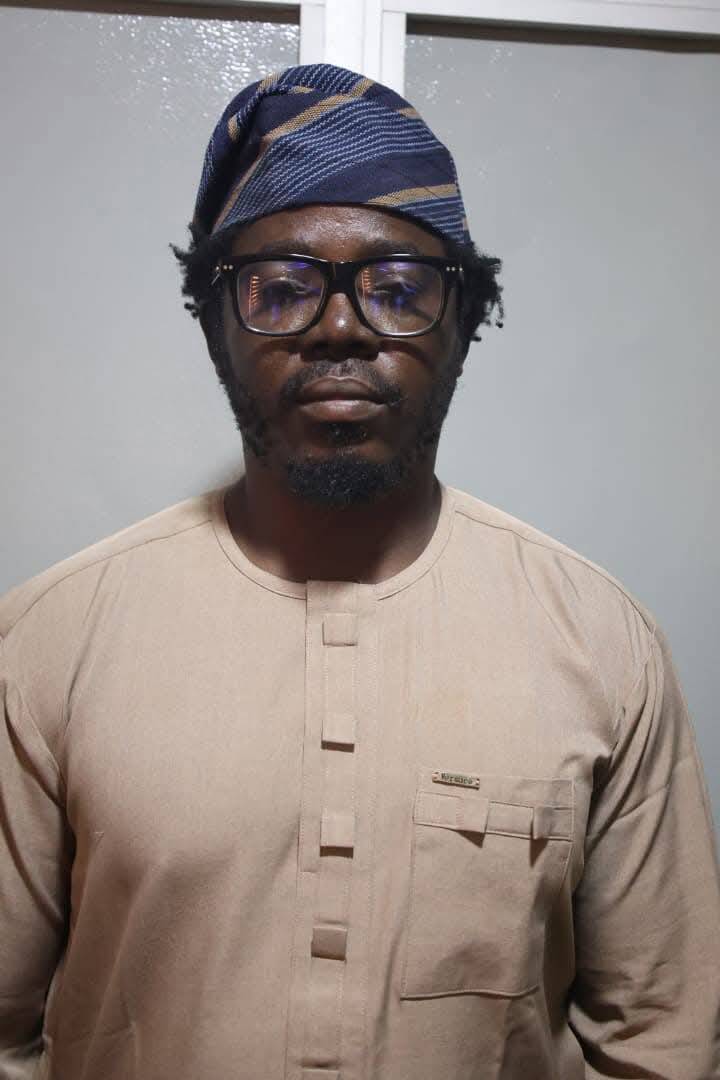
A businessman who allegedly used a company cheque to obtain credit and then left the bank balance empty has been arraigned before a Federal Capital Territory High Court in Gwagwalada, Abuja, on charges of issuing dud cheques totaling N16,650,000. The defendant, Oluwabusayo Ekundayo, who describes himself as the CEO and Chairman of Orion Surgical and Sutures, pleaded not guilty when the two‑count charge was read to him by Justice A.S. Adepoju on Tuesday, May 5, 2026. The case, prosecuted by the Abuja Zonal Directorate of the Economic and Financial Crimes Commission (EFCC), has now entered the trial phase.
The EFCC's case, as outlined in the charge sheet, is built around two separate transactions that occurred in 2022, both involving a complainant named Clara Onwumere. In the first count, the prosecution alleges that Ekundayo obtained the sum of N4,650,000 from Onwumere by means of a cheque. When the cheque was presented to the bank within the statutory three‑month period, it was dishonoured because there were no sufficient funds standing to the credit of the account upon which the cheque was drawn. The offence is contrary to Section 1(1)(b) of the Dishonoured Cheque (Offences) Act 2004 and punishable under Section 1(1)(b)(i) of the same Act.
The second count mirrors the first but involves a larger sum of N12,000,000. According to the charge sheet, Ekundayo obtained credit from the same complainant in the amount of N12 million via a cheque that, when presented within three months, was also dishonoured due to insufficient funds. Together, the two cheques amount to N16,650,000. The prosecution maintains that the defendant knew or had reason to believe that there were no sufficient funds in the account at the time the cheques were issued, a key element required to prove the offence of issuing a dud cheque.
When the two counts were read to him in open court, Ekundayo entered a plea of not guilty. Following his plea, the prosecution counsel, Joyce Audu, requested that the court set a date for the commencement of trial to enable the EFCC to prove its case against the defendant. Justice Adepoju granted the request and trial has since commenced. The EFCC is expected to present witnesses, including the complainant and bank officials, as well as documentary evidence linking the defendant to the dishonoured cheques.
The case centres on the Dishonoured Cheque (Offences) Act, a law that criminalises the issuance of cheques that are returned unpaid because the account lacks sufficient funds. Unlike cases of fraud that involve outright theft, dud cheque cases focus on the abuse of the credit system, where the issuer knowingly writes a cheque without the ability to honour it. The Act provides for penalties including fines or imprisonment, depending on the amount involved. For cheques of this size, a conviction could carry significant legal consequences.
Ekundayo is no stranger to the business community. He is listed as the CEO and Chairman of Orion Surgical and Sutures, a company purportedly involved in the supply of medical equipment and surgical materials. The nature of the transaction with Clara Onwumere, whether it was for the supply of goods or a direct loan, has not been fully disclosed yet, but the EFCC's investigation is likely to delve into the underlying agreement between the parties. What is clear is that the complainant handed over a total of N16.65 million to Ekundayo, and the cheques she received in return proved worthless.
The EFCC has been vigilant in prosecuting dud cheque cases, which have become increasingly common as the economy tightens and businesses struggle with liquidity. The commission views such cases not as civil debts but as criminal acts that undermine trust in the financial system. In recent years, the EFCC has intensified its crackdown on individuals and companies that issue dishonoured cheques, working closely with banks and the Central Bank of Nigeria to track offenders.
The trial of Ekundayo has now begun before Justice Adepoju. The EFCC's prosecution team is led by Joyce Audu, while the defendant is represented by counsel whose name was not immediately available. At the first hearing, the prosecution presented preliminary evidence and the court adjourned for the examination of witnesses. It is expected that the trial will be concluded within a few months, barring delays.
For the complainant, Clara Onwumere, the court case represents a last resort to recover the N16.65 million that has been tied up in the bounced cheques. For the defendant, the trial is a test of his claim that he is not guilty. And for the EFCC, the case is another step in its ongoing campaign to clean up the nation's payment system, one bounced cheque at a time.
As the trial continues, Nigerians are reminded that issuing a cheque without sufficient funds is not just a business oversight; it is a criminal offence with the potential to send the issuer to prison. In the case of Oluwabusayo Ekundayo, the verdict will determine whether he leaves the courtroom a free man or begins a different chapter of his life behind bars.
📩 Stone Reporters News | 🌍 stonereportersnews.com
✉️ info@stonereportersnews.com | 📘 Facebook: Stone Reporters News | 🐦 X (Twitter): @StoneReportNew | 📸 Instagram: @stonereportersnews
Add comment
Comments