

Reported by: Ijeoma G | Edited by: Oravbiere Osayomore Promise.
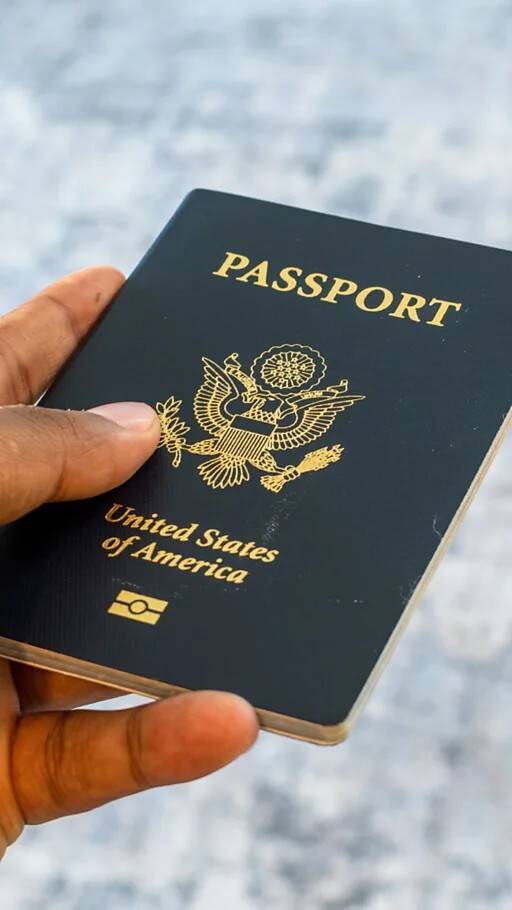
The United States government has commenced a sweeping new enforcement of a long‑standing federal law, confirming that it will revoke the passports of American citizens who owe significant amounts in unpaid child support. The U.S. State Department announced on Thursday, May 7, 2026, that the policy will take effect from Friday, initially targeting approximately 2,700 American passport holders who have been identified by the Department of Health and Human Services as owing $100,000 or more in overdue child support payments. However, officials have made it clear that the enforcement will soon expand to include anyone who owes more than $2,500 in child support – the minimum threshold established under the 1996 federal law that had previously been only sporadically enforced.
The 1996 law, part of the Personal Responsibility and Work Opportunity Reconciliation Act, was designed to pressure financially delinquent parents into meeting their legal obligations. Under the new policy, authorities will not merely deny passport renewals but will now actively revoke existing passports once unpaid arrears are reported. This represents a significant escalation from the previous practice, where only people applying to renew their passports faced penalties. Parents whose passports are revoked will be notified that their travel documents are no longer valid. Those stranded abroad will be required to visit a U.S. embassy or consulate to obtain emergency travel papers to return home.
Assistant Secretary of State for Consular Affairs, Mora Namdar, defended the move, framing it as a necessary step to compel compliance with court‑ordered child support. “We are expanding a commonsense practice that has been proven effective at getting those who owe child support to pay their debt,” Namdar said. He added that affected individuals can regain their passport privileges after clearing their arrears and may be eligible for passport reinstatement upon reaching a payment agreement or repaying their debt in full. According to the State Department, the policy has already demonstrated its effectiveness; several parents have begun settling their debts since news of the planned expansion emerged earlier this year.
The financial impact of the policy has been substantial. Authorities revealed that the passport enforcement scheme has helped states recover approximately $657 million in unpaid child support since 1998, including more than $156 million in lump‑sum payments over the last five years. The $2,500 threshold is notable because it is low enough to capture a wide range of delinquent parents, not just those with massive arrears. The minimum threshold was established in the 1996 law but had never been fully activated. The Biden administration’s decision to implement the law aggressively is part of a broader strategy to use existing administrative tools to enforce family support orders, rather than relying on costly and often ineffective court proceedings.
The policy has drawn mixed reactions. Proponents, including child support advocacy groups and state attorneys general, have praised the move as a long‑overdue enforcement mechanism that prioritises the welfare of children over the convenience of delinquent parents. “Parents who refuse to pay child support are harming their children twice: first by withholding financial support, and second by forcing taxpayers to pick up the slack. Revoking their passports is a proportionate response,” said a spokesperson for the National Child Support Enforcement Association. However, civil liberties organisations have raised concerns about the potential for the policy to trap individuals abroad without valid travel documents, effectively stranding them in foreign countries. “This policy could create humanitarian crises for parents who are trying to return to the United States but are suddenly told their passports are invalid,” warned a representative of the American Civil Liberties Union.
The State Department has attempted to address these concerns by establishing a process for emergency travel documents. Parents whose passports are revoked while overseas may contact the nearest U.S. embassy or consulate to obtain a limited‑validity passport, good for direct return to the United States. Once back in the country, they must work with state child support agencies to resolve their debt before being issued a full‑validity passport. The department has also advised affected individuals to check their child support status before booking international travel, as the system will now be continuously updated.
The expansion of the passport revocation authority aligns with other federal measures to enforce child support, including intercepting tax refunds, seizing lottery winnings, and suspending driver’s licences. The passport provision, however, is considered the most powerful tool because of the financial and personal impact of losing the ability to travel abroad. For parents who owe child support and have already made payment arrangements, the department has indicated that it will not revoke passports if the parent is in compliance with a written agreement. This ensures that the penalty is reserved for those who are actively avoiding their obligations.
As the policy takes effect, the approximately 2,700 parents owing $100,000 or more will be the first to feel its impact. The expansion to the $2,500 threshold is expected to occur later in 2026, affecting hundreds of thousands of additional parents. For the millions of children waiting for the financial support they are owed, the message from the State Department is clear: the days of shielding assets behind international borders are coming to an end. For delinquent parents, the choice is now simple: pay your child support, or surrender your passport.
📩 Stone Reporters News | 🌍 stonereportersnews.com
✉️ info@stonereportersnews.com | 📘 Facebook: Stone Reporters News | 🐦 X (Twitter): @StoneReportNew | 📸 Instagram: @stonereportersnews
Add comment
Comments