

Reported by: Ijeoma G | Edited by: Oravbiere Osayomore Promise.
Residents of oil producing communities in Imo State are once again raising alarm over what they describe as decades of abandonment, underdevelopment, and exclusion despite the enormous wealth generated from crude oil exploration in their areas.
Communities across Ohaji/Egbema and Oguta Local Government Areas have intensified demands for electricity, roads, employment opportunities, healthcare facilities, clean water, and fair implementation of development agreements by both government authorities and multinational oil companies operating in the region.
The renewed outcry comes amid growing frustration among youths, traditional leaders, women groups, and community stakeholders who say the people living in the oil bearing areas remain trapped in poverty while billions of naira are generated annually from natural resources extracted from their land.
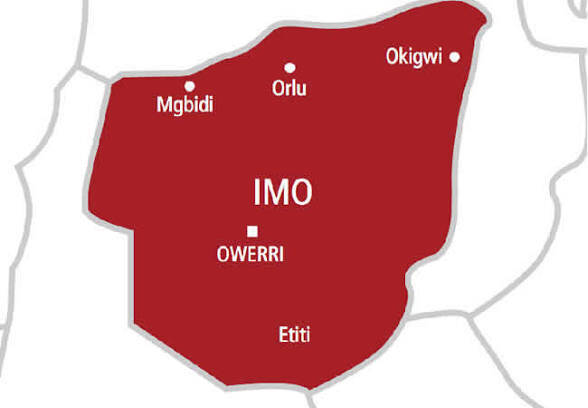
Ohaji/Egbema and Oguta are regarded as the major oil producing zones in Imo State and among the significant hydrocarbon belts in the South East. Several oil and gas companies operate in the areas, including firms involved in onshore oil drilling, gas exploration, and pipeline infrastructure projects. Despite this, many residents say basic social amenities remain absent across several communities.
In recent months, concerns over neglect have resurfaced through protests, stakeholder meetings, public petitions, and political demands. Community leaders insist successive administrations and oil companies have failed to translate the region’s oil wealth into visible development for local residents.
At a stakeholders’ gathering convened by the Imo State Ministry of Niger Delta Affairs and Intelligence earlier this year, political representatives and community leaders openly accused oil firms of failing to comply with provisions of the Petroleum Industry Act. Participants argued that non implementation of the law has contributed to growing youth restiveness and worsening underdevelopment across oil producing communities in the state.
The member representing Ohaji/Egbema, Oguta, and Oru West Federal Constituency in the House of Representatives, Eugene Dibiagu, alleged during the meeting that some oil companies deliberately avoid fulfilling obligations to host communities despite benefiting from the region’s natural resources. Former federal lawmaker Goodluck Opiah also expressed concern over delays in implementing host community benefits provided under the Petroleum Industry Act.
Residents say one of the most painful realities is the continued lack of electricity in several oil bearing communities located near gas facilities and flare sites. Community members argue that despite living close to energy installations, many households still rely on generators, lanterns, and firewood due to poor power supply.
In Oguta, community groups previously accused oil companies of failing to convert gas resources into electricity projects for host communities. Residents demanded the establishment of gas powered electricity infrastructure and warned against continued gas flaring without local benefits.
Community leader Chris Okororie had lamented that Oguta and neighboring communities became increasingly neglected over the years despite agreements signed with oil firms. According to him, earlier administrations supported electricity payments through the Imo State Oil Producing Areas Development Commission, but residents alleged that funding problems later worsened power supply in the area.
Beyond electricity, unemployment remains another major source of anger among youths in the region. Young people in oil producing communities have repeatedly accused oil companies of excluding local residents from employment opportunities while operations continue on their ancestral lands.
In July 2024, youths from Obile Autonomous Community in Ohaji staged protests against Seplat Petroleum Development Company, accusing the company of neglect and marginalization. Protesters claimed that despite the company’s operations within the Adapalm axis of Ohaji, local residents lacked jobs, roads, pipe borne water, hospitals, and empowerment programmes.
Leaders of the protest said many educated youths remained unemployed while environmental degradation from oil exploration affected farming and livelihoods. They warned that prolonged neglect and exclusion could fuel frustration and insecurity if urgent intervention was not provided.
The issue of environmental damage has also remained central to complaints from affected communities. Residents across parts of Ohaji/Egbema and Oguta have repeatedly alleged that oil spills, pipeline leaks, and gas flaring have damaged farmlands, rivers, and fishing areas relied upon for survival.
Investigations and reports from affected communities revealed abandoned health centres, poor roads, and failing public infrastructure despite decades of oil extraction activities. Some residents described healthcare facilities as non functional, forcing villagers to depend on informal medicine vendors and private clinics they can barely afford.
Road infrastructure across the oil producing belt has also remained a recurring grievance. Residents say many roads become impassable during rainy seasons, isolating communities and affecting movement of goods, healthcare access, and emergency response operations.
Youth organizations in the region have staged several protests over the years against alleged neglect by the Niger Delta Development Commission and oil companies. In one major protest, youths from Ohaji/Egbema shut down the NDDC office in Imo State while demanding jobs, electricity, roads, and completion of abandoned projects. Protesters accused authorities of diverting opportunities away from host communities despite their contributions to the nation’s economy.
The frustration has increasingly taken political dimensions. Stakeholders from Ohaji/Egbema and Oguta recently demanded that the 2028 governorship position in Imo State be zoned to the oil producing areas, arguing that communities generating enormous wealth for the state have remained politically marginalized since the creation of Imo State in 1976.
Community leaders insist the struggle is not merely about politics but about recognition, justice, and fair development. They argue that despite hosting some of the largest oil and gas deposits in the region, many villages still lack quality schools, hospitals, roads, and stable electricity.
As pressure continues to mount, residents are calling on both federal and state authorities, as well as oil companies operating in the region, to urgently address the longstanding grievances before tensions escalate further across the oil rich communities of Imo State.
📩 Stone Reporters News | 🌍 stonereportersnews.com
✉️ info@stonereportersnews.com | 📘 Facebook: Stone Reporters News | 🐦 X (Twitter): @StoneReportNew | 📸 Instagram: @stonereportersnews
Add comment
Comments