

Reported by: Ijeoma G | Edited by: Oravbiere Osayomore Promise.
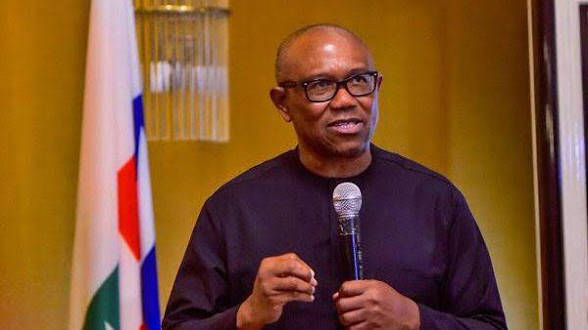
The former vice‑presidential candidate and 2023 Labour Party presidential candidate, Mr Peter Obi, has issued a passionate warning about the worsening plight of the boy child in Nigeria, linking the country’s escalating insecurity, mass abductions, poverty and chronic underinvestment in education and healthcare to a future crisis of broken men and a collapsing society. In a statement posted on his official X handle on Sunday, May 17, 2026, to mark the International Day of the Boy Child, Obi quoted Nelson Mandela: “There can be no keener revelation of a society’s soul than the way in which it treats its children.” He argued that the current wave of violence and neglect is systematically undermining the future of male children across the nation.
“Yesterday, the global community marked the International Day of the Boy Child. For me, it was a day of sober reflection on the future of the boy child in a nation like ours, where the horrible spate of insecurity, mass abductions, hunger, and inadequate investment in health and education constantly jeopardise the lives and futures of our children,” Obi wrote. He insisted that for a boy to become a “responsible and productive member of society”, he must be given a sound basic education, empowered with productive skills and mentored with progressive values. He quoted Frederick Douglass: “It is easier to build strong children than to repair broken men.”
Obi’s intervention came just one day after he had condemned the abduction of students from Mussa Primary and Junior Secondary School in Askira Uba Local Government Area of Borno State, as well as the attack on schools in Ahoro‑Esinele community, Oriire Local Government Area of Oyo State, where a teacher was killed and the principal seized. In that earlier statement, he warned that schoolchildren have become “pawns in a ransom economy”. “There is nothing more heartbreaking for a nation than an inability to protect its children,” he said, describing the kidnappings as a grave crisis that threatens the future of the nation. He noted that the fear of further abduction often leads children, especially girls, to permanently leave school, and that in areas plagued by repeated attacks, education systems tend to collapse while fear becomes a substantial obstacle to school enrolment. Obi urged a comprehensive approach to protect educational facilities, calling for a blend of community‑led intelligence, the physical strengthening of schools, and a transparent justice system that holds wrongdoers accountable.
Obi’s focus on the boy child is relatively rare in Nigerian public discourse, where child protection debates have historically centred on girls. Civil society groups welcomed his intervention, noting that boys are equally at risk from forced labour, recruitment into banditry, and denial of education. “Obi has broken a taboo,” said Hajia Fatima Bello, a child‑rights advocate based in Kaduna. “The boy child is equally at risk. When he says ‘the society we abuse today will take its revenge on us tomorrow’, he is voicing a truth that many leaders prefer to ignore.” The former governor also linked the neglect of the boy child to the broader insecurity crisis, pointing out that young men who are denied education and economic opportunities become easy recruits for criminal gangs and terrorist groups. A 2025 report by the World Bank had noted that youth unemployment in northern Nigeria stands at over 40 percent, a figure that correlates strongly with rising banditry and kidnapping.
Obi ended his message with a direct appeal to the boy child: “Do not give up on your dreams. We are on a journey toward building a nation that not only secures your life and invests in your future but also helps you grow and fuels your dreams so that you can embrace global opportunities that match your talents and aspirations.” He urged a halt to “the neglect and abuse we unleash on our boy children” and called for a nation that secures the life of every child and invests in their future for the sake of the collective future. “As I have always maintained, the society we abuse today will take its revenge on us tomorrow,” he warned. Whether his words will translate into policy action remains to be seen, but for millions of Nigerian boys who face daily struggles for safety, schooling and survival, the message that someone is finally speaking about their plight offers a rare glimmer of hope.
📩 Stone Reporters News | 🌍 stonereportersnews.com
✉️ info@stonereportersnews.com | 📘 Facebook: Stone Reporters News | 🐦 X (Twitter): @StoneReportNew | 📸 Instagram: @stonereportersnews
Add comment
Comments