

Reported by: Ijeoma G | Edited by: Oravbiere Osayomore Promise.
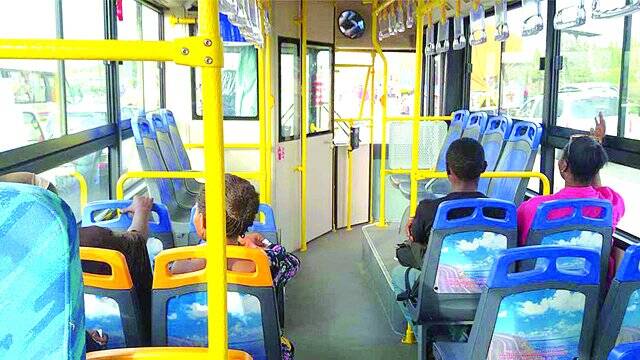
The Lagos Metropolitan Area Transport Authority (LAMATA) has announced the immediate suspension of the loading and movement of goods on all regulated public transport buses, including the Bus Rapid Transit (BRT) system, in a sweeping directive that will fundamentally change how residents move goods across Nigeria's commercial capital. The announcement, made on Wednesday, May 20, 2026, by LAMATA Managing Director Mrs. Abimbola Akinajo, cited safety concerns, operational inefficiencies, and the need to prioritise passenger comfort as the primary reasons for the policy shift. While the suspension takes effect immediately, LAMATA said strict enforcement of the directive will commence on June 1, 2026, giving commuters and traders a 12-day window to adjust their logistics arrangements. The decision affects all BRT buses and other regulated public transport buses operating under LAMATA's oversight, effectively barring passengers from loading goods such as market produce, cartons, bags of rice, and other bulky items that have long been a common sight on Lagos buses.
According to the statement issued by LAMATA, the directive was prompted by a series of observations and complaints from commuters, bus operators, and safety regulators. "The loading of goods on passenger buses has led to overcrowding, reduced seating capacity, and, in several documented instances, caused delays and safety hazards," the statement read. Mrs. Akinajo elaborated during a press briefing at the LAMATA headquarters in Ikeja, explaining that some passengers had turned BRT buses into de facto cargo vehicles, carrying everything from farm produce to furniture, which not only inconvenienced other commuters but also compromised the structural integrity and emergency evacuation protocols of the buses. "Our buses are designed for passengers, not for freight. We have seen cases where goods block the aisle, prevent quick exit during emergencies, and even cause injuries when unsecured items shift during sudden stops," she said.
The announcement has drawn swift reactions from different quarters. The National Union of Road Transport Workers (NURTW), Lagos State chapter, issued a cautious response, stating that while they understand the safety concerns, the government must provide alternatives for the thousands of small-scale traders who rely on public transport to move their wares. "Many of our members carry goods to and from markets like Mile 12, Oyingbo, and Idumota. If BRT buses refuse to carry goods, these traders will turn to unregulated buses or motorcycles, which could create even more problems," said Alhaji Musa Suleiman, a union spokesperson. He called on LAMATA to designate specific buses or off-peak hours for goods movement rather than an outright ban.
Market traders, particularly those in densely populated areas, expressed frustration and anxiety. Madam Funmilayo Adebayo, a foodstuff seller at Oshodi Market, told reporters that she regularly uses BRT buses to transport bags of beans and garri from the mainland to the island. "If they stop goods, how am I supposed to move my products? Taxis are too expensive, and danfo drivers charge double when they see you have goods," she lamented. Similarly, a fruit seller at Tejuosho Market, simply identified as Mr. James, said the ban would increase his operating costs, as he would have to hire private vehicles to transport his goods to his shop. "The government says they want to ease traffic and make life easier, but this decision will make life harder for ordinary people like us," he said.
However, many regular commuters welcomed the directive. A civil servant, Mrs. Grace Okonkwo, who commutes daily on the BRT from Ikorodu to Lagos Island, recounted multiple experiences of being forced to stand or having her seat taken by bags of goods. "There have been times when I paid for a seat but ended up sitting next to a sack of onions or a carton of eggs. It is uncomfortable and unfair. I support the ban wholeheartedly," she said. Another commuter, Mr. Tunde Ajayi, noted that the presence of bulky goods often slows down boarding and alighting, contributing to longer travel times. "BRT is supposed to be rapid. But when someone is trying to maneuver a large bag through the door, it holds up the entire line," he argued.
The Lagos State Government has a history of such interventions aimed at streamlining public transport. In recent years, the state has introduced lane discipline enforcement, banned motorcycles and tricycles on major highways, and restricted the operation of commercial buses with open doors. The suspension of goods loading on BRT is consistent with this approach, which prioritises safety and efficiency over flexibility. Nevertheless, the policy raises questions about the availability of affordable cargo transport in a city where logistics are notoriously expensive and chaotic. LAMATA has not announced any immediate plans to introduce dedicated cargo buses or to work with the private sector to fill the gap left by the ban. When asked about this during the briefing, Mrs. Akinajo said the authority would monitor the impact of the suspension and consider "future interventions" if needed, but she did not provide a timeline.
The enforcement mechanism, which begins on June 1, will reportedly involve LAMATA enforcement officers stationed at major BRT terminals and along routes. They will have the authority to deny boarding to passengers carrying goods that exceed personal luggage size. "We are not banning personal bags like handbags or laptop backpacks. We are targeting bulky goods that occupy seats, block aisles, or require extra handling," a LAMATA official clarified. The definition of "bulky" is expected to be published in a detailed guideline before the enforcement date. Operators of BRT buses have been directed to display notices on vehicles and at terminals to inform passengers of the new rule.
As the June 1 deadline approaches, the debate is likely to intensify between those who see the ban as a necessary step toward modernising Lagos public transport and those who view it as another burden on the city's struggling masses. For now, BRT buses continue to run, and passengers with goods continue to board, but the clock is ticking. In less than two weeks, the sight of a trader carrying a sack of rice onto a BRT bus will become a thing of the past, replaced by the quieter, emptier aisles of a passenger-only fleet. Whether that trade-off is worth it, and whether the state will provide alternatives for the displaced goods, are questions that only time and policy will answer.
📩 Stone Reporters News | 🌍 stonereportersnews.com
✉️ info@stonereportersnews.com | 📘 Facebook: Stone Reporters News | 🐦 X (Twitter): @StoneReportNew | 📸 Instagram: @stonereportersnews
Add comment
Comments