

Reported by: Oahimire Omone Precious | Edited by: Oravbiere Osayomore Promise.
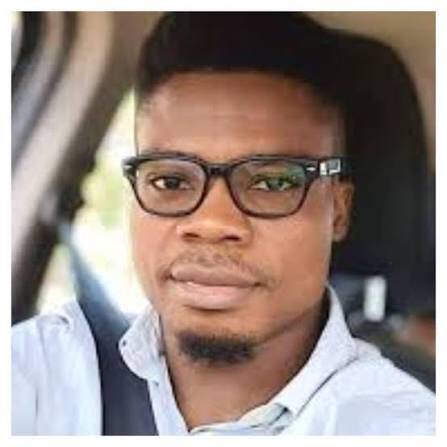
More than three weeks after his arrest by the Nigerian Army, social media influencer Justice Mark Chidiebere, popularly known as "Justice Crack," remains behind bars despite a Federal High Court granting him bail on May 18, 2026. Chidiebere has fulfilled virtually all of the stringent bail conditions imposed by Justice Joyce Abdulmalik — including securing a N5 million bond and producing a surety — but remains incarcerated because his international passport, which he is required to deposit with the court as a condition of release, is being unlawfully withheld by the Department of State Services (DSS). The security agency has refused to release the document to his lawyers, raising suspicions that the bail conditions may have been deliberately designed to make compliance impossible and prolong his detention.
According to Omoyele Sowore, a human rights activist who has been vocal about the case, Chidiebere was granted bail on May 18 by the Federal High Court in Abuja. The bail terms were severe. Justice Abdulmalik ordered bail in the sum of ₦5 million, with one surety in the like sum. The surety must be a federal civil servant not below Grade Level 15, resident within the court's jurisdiction for at least four years, and must provide proof of residence and pensionable employment, as well as deposing to an affidavit of means and submitting a recent passport photograph. As part of the conditions, Chidiebere was directed to deposit his international passport with the court pending the determination of his trial.
However, the activist has since fulfilled virtually all the requirements. The N5 million bond has been perfected, and a suitable surety has been provided. But the process has hit a brick wall over a single issue: the depositing of his international passport with the court. According to Sowore, who posted an update on his X page on May 21, 2026, the passport is currently in the custody of the DSS, which has refused to release it to his lawyers. Without the passport, Chidiebere cannot fully comply with the court order, and the prison authorities will not release him. Sowore and other activists have accused the DSS of deliberately withholding the passport to keep the activist incarcerated despite a court order granting him bail. "The bail conditions themselves may have been deliberately designed to make compliance impossible in the first place, thereby prolonging his unlawful incarceration despite the court's ruling," Sowore wrote.
The case has become a major flashpoint in debates over freedom of expression and the power of security agencies in Nigeria. Chidiebere was arrested on April 28, 2026, by officers of the Nigerian Army after leaving his home in Abuja, following a phone call. For four days, his whereabouts were unknown, sparking a public outcry and a trending hashtag, #FreeJusticeCrack. The Army later confirmed that he was in its custody, alleging that he was inciting soldiers to subversion through social media discussions about welfare and feeding conditions. According to a statement by the Army, preliminary investigations revealed that Chidiebere had been engaging in conversations with soldiers that went beyond advocacy and bordered on subversion.
He was subsequently handed over to the Department of State Services (DSS), which arraigned him on May 4 on a three-count charge of cybercrime. The charges stem from viral videos and posts on his X handle, @JusticeCrack, in which he alleged inadequate feeding and poor welfare conditions for Nigerian Army personnel. The DSS argued that the posts were false and intended to cause annoyance, ill will, and hatred among the public. During his arraignment, Chidiebere pleaded not guilty, and Justice Abdulmalik ordered him remanded in DSS custody.
The journey to bail has been tortuous. On May 14, a scheduled bail hearing was stalled by a disagreement among his lawyers over who should lead the defence. The judge struck out the existing bail application, forcing Chidiebere to file a fresh one through a new counsel, Sam Amadi. The fresh application was heard on May 18, leading to the bail grant. The conditions imposed by the court have been described as "strict" by legal analysts, with some arguing that they are unusually severe for a cybercrime case. The requirement that the surety be a federal civil servant of a certain grade, combined with the demand for the defendant's passport, has made it difficult for many defendants to secure bail in such cases.
The refusal of the DSS to release Chidiebere's passport has been met with outrage by civil society groups and human rights activists. Sowore and his lawyers have confronted security operatives at the Federal High Court over the issue, leading to clashes on more than one occasion. During the bail hearing, there were dramatic scenes outside the courtroom as Sowore and his legal team were initially denied entry by security operatives. The activist was seen challenging the police in a video, insisting that the media be allowed to cover the proceedings. In one incident, a lawyer was shoved in the face by a security operative.
The case has also highlighted a pattern of behaviour by the DSS and other security agencies, which have been accused of using administrative hurdles to keep critics in detention long after courts have ordered their release. The Commission of Inquiry into human rights violations has received numerous petitions about arbitrary arrests and prolonged detention, but the government has often turned a blind eye, citing national security imperatives.
As of May 21, 2026, Justice Chidiebere remains in detention at the Kuje Correctional Centre, where he was transferred following his arraignment. He is scheduled to appear in court again on May 25 for the continuation of his trial, but the question on the minds of his supporters and civil society is whether he will ever be released on bail. The DSS has not commented publicly on the passport issue, and calls to the agency's spokesperson were not returned. The court is expected to address the issue when proceedings resume, but Sowore and other activists have called for the immediate and unconditional release of the activist pending trial.
The case has become a cause célèbre in Nigeria, seen by many as a test of the judiciary's independence and the government's commitment to the rule of law. If a court can grant bail, and the executive can still keep a person detained by refusing to comply with a simple administrative requirement, then the right to liberty becomes a mere illusion. For now, Chidiebere's lawyers are exploring legal options to compel the DSS to release his passport, but with each passing day, the young activist remains locked up, his voice silenced, his fate hanging in the balance.
📩 Stone Reporters News | 🌍 stonereportersnews.com
✉️ info@stonereportersnews.com | 📘 Facebook: Stone Reporters News | 🐦 X (Twitter): @StoneReportNew | 📸 Instagram: @stonereportersnews
Add comment
Comments