

Reported by: Oahimire Omone Precious | Edited by: Oravbiere Osayomore Promise.
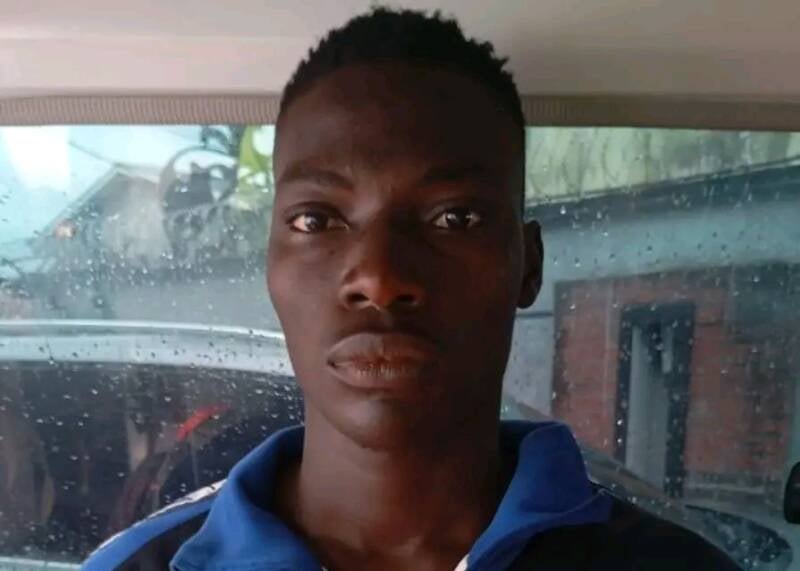
The Nigeria Police Force has arrested a 27‑year‑old man, Ifechukwu Dennis, for originating an artificial intelligence‑generated voice note that was widely circulated online as a leaked recording of President Bola Ahmed Tinubu. The arrest, which was confirmed on Thursday, 4 June 2026, by the President’s Special Adviser on Information and Strategy, Bayo Onanuga, took place in Benin City, the capital of Edo State, following a coordinated operation by a crack team from the office of the Inspector‑General of Police. “The IGP crack team has arrested Ifechukwu Dennis who originated the fake voice that he passed on to his gullible targets as President Tinubu’s voice,” Onanuga wrote on his official X account.
The arrest brings a week‑long controversy to a close. On 27 May 2026, a manipulated video containing an AI‑generated voice resembling Tinubu’s went viral on social media. The clip attributed several inflammatory statements to the President, including a claim that insecurity in the South‑East was deliberate and that he had pressured Peter Obi, the 2023 presidential candidate of the Labour Party, to step down ahead of the last general election. “I’ve begged Peter Obi to step down for me. He refused. Now I will make sure the insecurity affects only South East,” the fabricated voice note stated. The audio also suggested that the President was indifferent to the hardship faced by Nigerians.
The manipulated video gained wider attention after it was featured in a post by social media activist Martins Vincent Otse, popularly known as VeryDarkMan (VDM). In his original video, VDM had not included the doctored audio. Subsequent investigations by multiple news organisations established that an unidentified individual had extracted footage from VDM’s original Instagram video and superimposed the AI‑generated voice notes before recirculating the manipulated version online. Despite this, Onanuga had initially called for the activist’s prosecution, describing the incident as “a clear case of egregious abuse of the social media platform.”
At the time of the announcement, the police had not yet disclosed the specific charges that may be filed against Dennis. The force also stated that an official statement would be issued. The arrest has, however, drawn a wave of public criticism, with many Nigerians questioning why security agencies appeared to have acted more swiftly in tracking the creator of a fake audio than in apprehending kidnappers and bandits responsible for real attacks across the country. At least 46 pupils and teachers remain in captivity following a mass abduction on 15 May 2026 in Oriire Local Government Area of Oyo State. The attackers killed an assistant headmaster and a commercial motorcyclist, abducted 39 pupils and seven teachers, and later beheaded a mathematics teacher in a viral video.
On social media, users contrasted the speed of the arrest with the failure to rescue the abducted children or bring their captors to justice. A Facebook user, Akeodi Ali, wrote: “What about the kidnappers on TikTok?” Another commenter, Araba Yemi Banjo, said: “Sir, in all that is happening in this country, is this what you can gloat about? One would have expected you to be showcasing arrested kidnappers who for over two weeks held innocent schoolchildren hostage in an evil forest.” In a similar vein, Abdulrahman Isah questioned why the suspect had been located before those responsible for the Oyo abduction. “So he has been tracked before the Oyo bandits. Una weldone Mr spokesperson,” he wrote.
The presidency has not directly responded to the public backlash. Onanuga’s post announcing the arrest focused solely on the achievement of the IGP crack team. As of Thursday evening, no official police statement had been released, and it remained unclear whether Dennis would be charged with cybercrime, defamation, or any offence related to the distribution of false information.
The incident has once again thrown into sharp relief the growing challenge of AI‑generated disinformation in Nigeria’s political space. With the 2027 election cycle already under way, officials have warned that deep‑fake voice notes and other AI‑generated content could be weaponised to spread false narratives, incite ethnic tensions and undermine public trust in democratic institutions. The arrest of Ifechukwu Dennis is likely to serve as a test case for how the government will balance the regulation of harmful online speech with the protection of free expression. For the moment, however, the man who created a fake presidential voice has been identified, tracked down and detained – while the children of Oriire remain in the bush, still waiting for the government to rescue them.
📩 Stone Reporters News | 🌍 stonereportersnews.com
✉️ info@stonereportersnews.com
📘 Facebook: Stone Reporters News
🐦 X (Twitter): @StoneReportNew
📸 Instagram: @stonereportersnews
Add comment
Comments