

Reported by: Ijeoma G | Edited by: Oravbiere Osayomore Promise.
ZURMI, Nigeria – Gunmen believed to be bandits have killed three residents of Zurmi Local Government Area who were working on their farms, marking the latest in a series of coordinated attacks across Zamfara State that are increasingly directed at rural food producers. The victims were reportedly shot while clearing their fields. Two were from Zurmi town and the third from a neighbouring village. The assault was just one of several violent episodes in a single day that also included a night raid on Baichen Dauran community, where one person was killed, and the abduction of travellers along a nearby road, including a commercial driver identified as Kabiru Takaye. As of Monday morning, authorities had yet to issue an official response to the attacks.
The attacks in Zurmi follow another wave of violence that has shattered the relative calm of the farming season. Just days before, on Friday afternoon, suspected bandits struck farmers in the communities of Lugga, Gwabro and Gwammanan in Zamfara State, gunning down an as-yet-undetermined number of agricultural workers who were preparing their fields for the upcoming season. A security analyst who posts on X under the name Bakatsine reported that the victims were clearing and preparing their farmlands when the assailants opened fire. The exact casualty figures remain unclear.
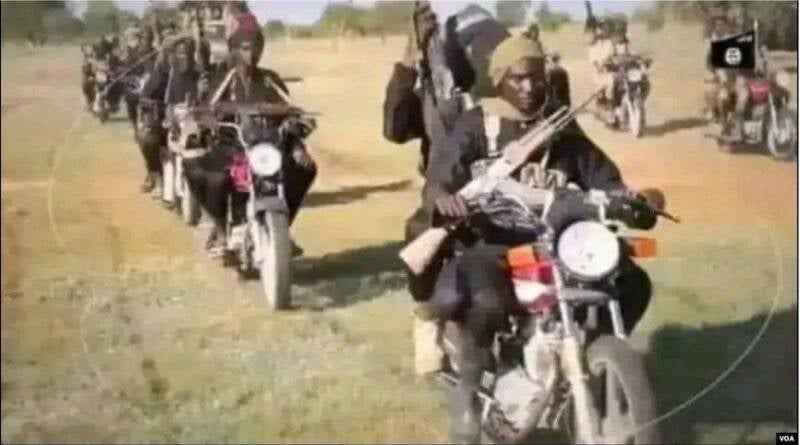
The targeting of farmers is not a new phenomenon in the North‑West, but it has grown more systematic. In a separate incident earlier in the week, bandits attacked farmlands in Gidan Danjumma Village, Birnin Magaji Local Government Area, killing nine farmers. According to a resident who spoke with The Guardian on condition of anonymity, the gunmen had previously warned villagers not to cultivate their lands during the 2026 wet farming season. When the farmers ignored the warning, the bandits returned in large numbers on motorcycles, pursuing fleeing victims and shooting sporadically. Many others ran into forests and remain missing, with fears that the death toll may rise.
The cumulative effect of these attacks is being felt far beyond the immediate victims. For years, farming communities across Zamfara have faced persistent threats from armed bandits who impose illegal levies, seize livestock, and forcibly displace residents. A farmer who fled his community for fear of his life told The Guardian that civilians can no longer access their fields without risking death. "Farmers can no longer access their farmlands because of the levies imposed by bandits. Anyone who dares to go to the farm risks being killed," Rabi'u Ismaila said. He alleged that bandits have formed their own system of control in some communities, forcing residents to pay taxes to guarantee their safety and taking animals of their choice without notice. Ismaila decried the seeming inaction of security operatives, noting that despite their presence, bandits continue to operate freely.
The humanitarian toll is mounting. According to the International Organization for Migration (IOM), nearly 700,000 people were internally displaced in Nigeria's northwest and north‑central regions in February alone, including more than 124,000 in Zamfara. The medical charity Médecins Sans Frontières (MSF) has warned that families are telling aid workers they will not be able to farm for the new season, forecasting a fresh cycle of hunger. A 2025 academic study found that approximately 89.5 per cent of respondents in Zamfara agreed that hunger had become more widespread within their households, while 71.7 per cent linked increasing food insecurity directly to the loss of farm produce. The Nigerian military has made some gestures toward stabilisation, including the donation of 400 bags of fertiliser to farmers in Maru Local Government Area in May. Troops of Operation Fansan Yamma have also repelled attempted attacks in Kaura Namoda, killing three suspected bandits and recovering stolen livestock. Security forces arrested a suspected terrorist kingpin, Kachalla Halilu, during an intelligence-led operation at Shinkafi Weekly Market on June 6. Yet none of these measures has meaningfully reduced the frequency or lethality of attacks on food producers.
For the people of Zurmi, these broader statistics are abstractions. What is real is the body of a neighbour found in a field, the abandoned farm plot, the mother who will not go to her garden because she does not know if she will return. How can a nation guarantee food security when those responsible for producing its food cannot safely access their farms? As the 2026 planting season unfolds, that question is being answered not in the corridors of Abuja, but in the blood-soaked soil of Zurmi and Birnin Magaji.
📩 Stone Reporters News | 🌍 stonereportersnews.com ✉️ info@stonereportersnews.com | 📘 Facebook: Stone Reporters News | 🐦 X (Twitter): @StoneReportNew | 📸 Instagram: @stonereportersnews
Add comment
Comments