

Reported by: Ijeoma G | Edited by: Oravbiere Osayomore Promise.
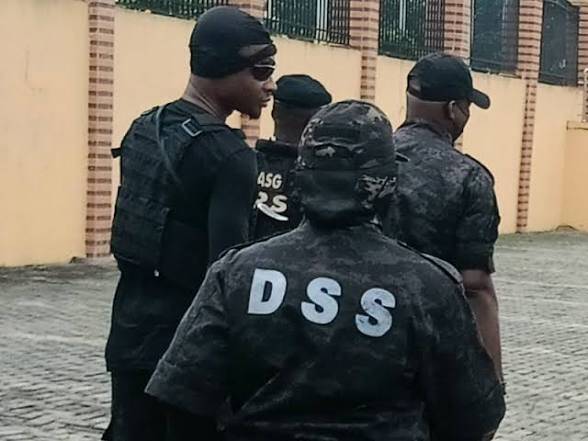
The Department of State Services (DSS) has rejected a provision in a proposed security trust fund bill that would allow foreign donations, warning that such a clause could compromise Nigeria's national security and expose sensitive intelligence operations to external influence. The position was presented on Thursday, June 18, 2026, at a public hearing organised by the House of Representatives Committee on National Security and Intelligence in Abuja, where lawmakers considered three bills aimed at strengthening the country's intelligence architecture.
Representing the DSS at the hearing, Emmanuel Daubry expressed support for the proposed legislation establishing a DSS Trust Fund but urged the National Assembly to make significant amendments. He specifically objected to Section 3(d) of the bill, which permits grants, donations, and endowments from international organisations. “Allowing foreign funding for a security-related Trust Fund raises serious concerns relating to sovereignty, operational confidentiality, and institutional independence,” Daubry told lawmakers, according to multiple reports. “International funding arrangements may impose reporting and disclosure obligations capable of compromising sensitive security operations, including intelligence methods, procurement processes, and deployment strategies.” He further warned that foreign funding could introduce external influence over domestic security priorities that may not always align with Nigeria's specific security realities, including insurgency, banditry, and kidnapping.
The Service recommended that contributions to the fund be restricted to local donors and organisations, insisting that national security financing must remain free from external interference. “Section 3(d), which permits grants, donations, and endowments from international organisations, should be expunged,” Daubry stated.
Despite its reservations over aspects of the bill, the DSS described the Trust Fund initiative as a critical step towards ensuring reliable and timely funding for intelligence operations. According to the agency, the proposed fund would strengthen the country's capacity to tackle terrorism and emerging security threats while reducing bureaucratic delays associated with traditional budgetary allocations. Daubry explained that the fund would provide dedicated and sustainable financing for intelligence gathering, counterterrorism operations, and other national security activities, facilitating the acquisition of modern operational equipment, enhancing training, and enabling swift responses to emerging security challenges. “It is further intended to guarantee the availability of prompt funding during emergencies such as terrorism incidents, civil unrest, and other crises,” he added.
Beyond the issue of foreign donations, the DSS also called for adjustments to the proposed funding model, arguing that the legislation currently grants excessive discretion to the National Assembly in determining yearly allocations. The agency maintained that adopting a fixed statutory contribution formula would provide greater financial certainty and improve long-term planning for intelligence operations. The Service further recommended changes to the composition of the Trust Fund's governing board, opposing the inclusion of the Nigerian Governors' Forum, which it noted is not established by law. Instead, it proposed that the Nigerian Bar Association nominate a representative with expertise in national security and human rights.
The hearing, chaired by Ahmed Satomi, also considered two other bills: the Bill for an Act to Establish the Strategic Intelligence Management Institute (HB.2589) and the DSS Research and Development Institute Bill (HB.2716). On the proposed Strategic Intelligence Management Institute, the DSS cautioned that the institution could duplicate the functions of existing security training establishments unless its mandate is clearly defined. The Service recommended that the institute be tailored towards external intelligence and international intelligence cooperation in order to complement existing structures within the country's intelligence community.
Speaker of the House of Representatives, Tajudeen Abbas, who was represented by the Majority Leader, Julius Ihonvbere, said the bills were designed to strengthen intelligence funding, research, and professional development to address emerging security threats. Satomi added that the proposed legislations sought to address three critical areas of the country's intelligence architecture: providing sustainable funding for the DSS, improving the professionalisation of intelligence managers, and building indigenous capacity in intelligence technology, cyber security, and strategic analysis.
📩 Stone Reporters News | 🌍 stonereportersnews.com ✉️ info@stonereportersnews.com | 📘 Facebook: Stone Reporters News | 🐦 X (Twitter): @StoneReportNew | 📸 Instagram: @stonereportersnews
Add comment
Comments