

Reported by: Ijeoma G | Edited by: Oravbiere Osayomore Promise.
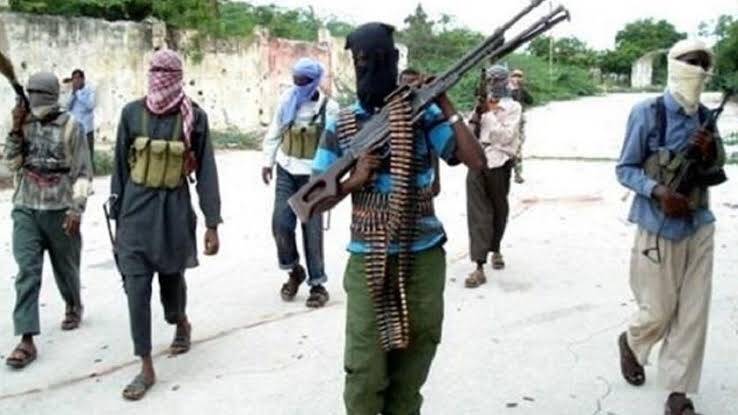
In another devastating blow to rural communities in Nigeria's North-West, bandits invaded Kuda-Kuda village in Kagara Ward of Goronyo Local Government Area, Sokoto State, on the night of Wednesday, June 24, 2026, killing four residents, including the respected village imam, and leaving three others with gunshot wounds. The attackers reportedly stormed the community late in the evening, firing indiscriminately at residents, many of whom had retired to their homes after the evening prayers. The village imam, a beloved figure who had served the community for many years, was among those cut down in the assault, sending shockwaves through the predominantly Muslim community.
Eyewitnesses told local authorities that the bandits operated for several minutes before fleeing into the surrounding bush, leaving behind a scene of chaos and devastation. The three injured victims were rushed to a nearby hospital, where they are currently receiving treatment for gunshot wounds. The identities of the deceased have not been officially released by authorities, but community sources confirmed that four bodies have been recovered and burial preparations are underway. The attack comes amid a surge in banditry and kidnapping across Sokoto State, despite ongoing military operations aimed at dislodging criminal elements from their hideouts in the region's vast forests.
The tragedy has reignited a painful and recurring question in the minds of many Nigerians, particularly among the Muslim communities who have borne the brunt of banditry and terrorism: with innocent Muslims—including a respected imam, worshipers, and ordinary villagers—constituting the majority of victims in these attacks, how can anyone continue to portray banditry and terrorism as acts of Islam? The question is not merely rhetorical; it speaks to a deliberate narrative advanced by some actors to stigmatise Muslims and paint a distorted picture of a religion that explicitly condemns the killing of innocents. Throughout the Qur'an, the sanctity of life is paramount, and the killing of an innocent person is equated with the killing of all of humanity.
Communities across Sokoto, Zamfara, Katsina, and other affected states have repeatedly asserted that these criminals are not motivated by religion but by greed, power, and a desire for wealth. Their victims, as the Kuda-Kuda attack demonstrates, are often fellow Muslims—farmers, traders, and religious leaders who are targeted for ransom or murdered in cold blood. The attack on the village imam, a custodian of religious values and a symbol of community life, is perhaps the most stark illustration that these criminals operate outside any religious or moral framework.
As the community of Kuda-Kuda mourns its dead and tends to its wounded, there will be prayers for the souls of the deceased—may Allah grant them Aljannah Firdaus and bring comfort to their families—and for the restoration of lasting peace to the beleaguered region. But there will also be a growing demand for the government and security agencies to intensify operations to dismantle the criminal networks that have turned the North-West into a theatre of death. For the families of the victims, the pain is immeasurable; for the nation, the question lingers: how much longer must innocent communities bear the cost of insecurity while the perpetrators—regardless of their false claims—continue to wreak havoc in the name of nothing but evil?
📩 Stone Reporters News | 🌍 stonereportersnews.com
✉️ info@stonereportersnews.com | 📘 Facebook: Stone Reporters News | 🐦 X (Twitter): @StoneReportNew | 📸 Instagram: @stonereportersnews
Add comment
Comments