

Reported by: Oahimire Omone Precious | Edited by: Oravbiere Osayomore Promise.
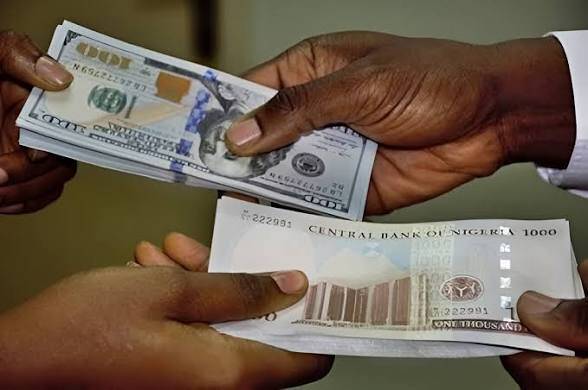
The Nigerian naira remained relatively stable against the United States dollar on Thursday, August 13, 2026, holding its ground in both the official Nigerian Foreign Exchange Market (NFEM) and the parallel market as traders continued to monitor foreign exchange liquidity and demand pressures across the country's dual exchange-rate system.
Data from the Central Bank of Nigeria's NFEM platform showed the official exchange rate hovering around N1,367 per dollar on Thursday, with the CBN benchmark rate quoted at approximately N1,366.73/$1. The NFEM rate, which the apex bank describes as a volume-weighted average of eligible transactions, serves as the recognised daily exchange rate for official transactions processed through banks and authorised dealers.
In the parallel market, commonly referred to as the black market, currency dealers in major Lagos trading hubs quoted the dollar at about N1,410 for buying and N1,425 for selling on Thursday morning. The parallel-market selling rate remained above the official rate, with a gap of about N58 per dollar between the two markets. That persistent spread reflects continued demand for foreign currency outside the formal banking system, even as official market liquidity has improved in recent months.
The naira has traded with relative stability over the past several weeks, a marked departure from the sharp volatility recorded in late 2024 and early 2025. Historical NFEM data indicate that the official exchange rate has largely remained within the N1,360 to N1,385 range through much of July and the first half of August 2026. For individuals and businesses, the official NFEM rate applies to eligible foreign exchange transactions conducted through banks and authorised dealers, while the parallel market rate applies to cash transactions conducted outside the formal foreign exchange system.
The Central Bank of Nigeria has maintained its focus on improving liquidity and strengthening the functioning of the official foreign exchange market. CBN Governor Olayemi Cardoso recently noted that Nigeria's official and parallel foreign-exchange rates had moved to within 2 per cent of each other, a sign of the bank's ongoing efforts to narrow the gap between the two markets. Analysts tracking the currency's performance have pointed to foreign portfolio inflows, crude oil earnings, and the availability of dollars in the official market as key determinants of the naira's next move.
Traders and market participants expect the naira to remain relatively range-bound in the near term, barring any major changes in dollar supply or demand. However, attention is likely to remain fixed on foreign portfolio inflows, oil receipts, and the CBN's continuing efforts to improve liquidity in the official foreign exchange market. For now, the naira's stability offers a measure of predictability for businesses and individuals navigating Nigeria's complex foreign exchange landscape, even as the gap between official and parallel market rates continues to reflect underlying demand pressures in the economy.
📩 Stone Reporters News | 🌍 stonereportersnews.com
✉️ info@stonereportersnews.com | 📘 Facebook: Stone Reporters News | 🐦 X (Twitter): @StoneReportNew | 📸 Instagram: @stonereportersnews
Add comment
Comments