

Reported by: Ijeoma G | Edited by: Oravbiere Osayomore Promise.
A violent clash between suspected Fulani and Mwaghavul youths in Mangu Local Government Area of Plateau State has claimed three lives and left several others injured, with troops of Sector 8, Operation Enduring Peace (OPEP), forced to intervene and restore calm in the troubled community. The incident, which occurred at about 7:35 a.m. on Wednesday, August 12, 2026, at Jwak Maitumbi Community in Halle Ward, Mangu, is the latest in a series of deadly confrontations that have plagued the central Nigerian state, where communal tensions between farming and herding communities have frequently erupted into violence.
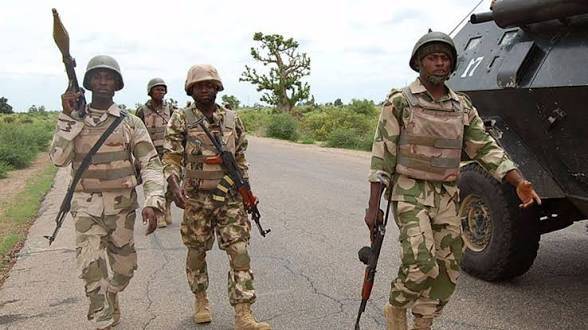
According to a military source who spoke to security analyst Zagazola Makama, the clash followed an earlier confrontation between youths from the two communities. Troops responded to reports of sustained gunfire at the location and swiftly moved in to contain the situation, deploying superior firepower that forced both sides to withdraw from the area. The clash resulted in the deaths of three persons – one member of the local community and two Fulani herders identified as Salisu Abubakar and Yusuf Ali – while one other person from the local community sustained injuries. Following the intervention, normalcy was restored, and troops continued to dominate the area to prevent further violence.
The attack, which occurred barely 24 hours after an earlier confrontation between the two groups, also saw several houses belonging to both herding and farming communities set ablaze. The Secretary of the Miyetti Allah Cattle Breeders Association of Nigeria (MACBAN) in Mangu, Musa Muhammad, told Daily Trust that the two herders were attacked and killed in their homes "for an offence they knew nothing about". However, the National President of the Mwaghavul Development Association (MDA), Bulus Dabit, confirmed that several houses belonging to their members were also attacked and burnt, with one member killed and others injured and hospitalised.
Dabit said the attacks affected communities along the Sabon Gari-Mangu Halle-Mai Rana-Arangai-Mararaban Kantoma axis, forcing some residents, especially women and children, to flee their homes. The military subsequently conducted clearance operations, supported by drone surveillance, which confirmed that the area was clear of the combatants. Security forces have maintained vigilance around the affected communities as efforts continue to prevent further escalation of the conflict.
The Mangu clash is part of a broader pattern of violence that has engulfed Plateau State in recent days. In a separate incident on Tuesday night, gunmen invaded at least four communities in Riyom Local Government Area, killing two people and burning houses. The Berom Youth Moulders Association (BYM) confirmed that the attacks occurred in Gwa-Wereng Rim, Kyeng, Dorong and Jol, with Bulus Mwagwong (popularly known as Dikko) killed in Gwa-Wereng Rim and 47-year-old Stephen Dachollom Kaze killed in Kyeng village.
The latest violence comes just days after a major security operation by troops of Operation Enduring Peace, who neutralised an armed militia member and recovered two locally fabricated AK-47 rifles following a gun battle in Mangu. The military has also intensified night patrols and foiled attacks by armed Berom militias moving to attack Fulani communities in the area. Despite these efforts, the cycle of violence continues, with communities on both sides paying the price in blood.
The Mangu crisis has deep roots in longstanding tensions between the indigenous Mwaghavul ethnic nationality and the Fulani, who have accused each other of instigating the latest round of violence. The situation has assumed a dangerous ethno-religious dimension, with attacks and reprisals becoming increasingly brutal. The Plateau State Government has previously banned roadblocks and ordered arrests following Mangu violence, but the underlying grievances that fuel these conflicts remain unresolved.
The MACBAN Secretary in Mangu expressed grief over the killing of the two herders, insisting they were innocent victims of a conflict they had no part in. The MDA president, however, maintained that his community had also suffered losses, with houses burnt and lives lost. The conflicting narratives highlight the deep mistrust between the two communities, making it difficult to achieve lasting peace.
As the people of Jwak Maitumbi and surrounding communities bury their dead and tend to their wounded, the troops of Operation Enduring Peace have vowed to maintain a presence in the area to prevent further bloodshed. The clash at Jwak Maitumbi is a stark reminder of the fragility of peace in Plateau State and the urgent need for lasting solutions to the communal tensions that continue to claim lives. For now, the community can only hope that the military's intervention will bring more than a temporary pause in the violence, and that the underlying grievances that fuel these conflicts will finally be addressed.
📩 Stone Reporters News | 🌍 stonereportersnews.com
✉️ info@stonereportersnews.com | 📘 Facebook: Stone Reporters News | 🐦 X (Twitter): @StoneReportNew | 📸 Instagram: @stonereportersnews
Add comment
Comments