

Reported by: Oahimire Omone Precious | Edited by: Oravbiere Osayomore Promise.
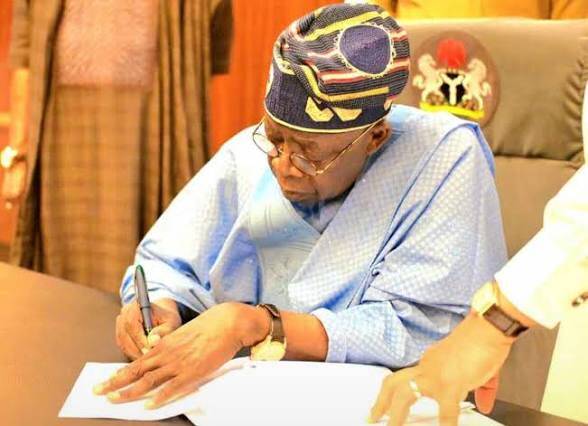
President Bola Tinubu has assented to the Nigerian Ports Economic Regulatory Agency (NPERA) Bill, 2026, ending years of uncertainty over the regulation of Nigeria's port sector and establishing a statutory economic regulator with the legal authority to oversee tariffs, competition, and commercial disputes at the country's seaports. The development, announced on Thursday, August 13, 2026, by the Executive Secretary and Chief Executive Officer of the Nigerian Shippers' Council (NSC), Dr Pius Akutah, marks a watershed moment for the maritime industry and a decisive step towards aligning Nigeria's port governance with international best practices.
The new law, now cited as the Nigerian Port Economic Regulatory Agency Act, 2026, replaces the interim regulatory arrangement that has been in place since 2014, when the Federal Government designated the Nigerian Shippers' Council as the temporary economic regulator of the ports pending the enactment of a substantive law. The NSC had been performing its economic regulatory functions largely on the strength of government policy and regulations rather than a comprehensive statutory framework, a situation that left the regulator without the full legal backing needed to enforce compliance, resolve disputes, and ensure fair competition among port service providers.
With the President's assent, the NPERA will have stronger legal authority to oversee economic activities in the port sector, covering critical areas such as tariffs, rates, charges, competition, licensing of port service providers, and the resolution of commercial disputes. The legislation is expected to provide the sector with an independent regulatory structure backed by enforceable legal powers, bringing greater transparency and predictability to Nigeria's ports and boosting investor confidence in the maritime industry.
The journey to the new law was, however, far from smooth. The Bill was initially passed by the National Assembly and transmitted to the Presidency, but President Tinubu withheld assent after concerns were raised over aspects of the legislation. Stakeholders and maritime agencies had objected to earlier versions of the Bill over fears of duplication of functions, particularly with the Nigerian Ports Authority (NPA) and the Nigerian Maritime Administration and Safety Agency (NIMASA). Critics called for clearer delineation of responsibilities to prevent regulatory conflicts and overlapping mandates. The National Assembly subsequently revisited the Bill, corrected the identified issues, and passed an amended version in April 2026. The Senate's fresh passage followed the rescission of its earlier decision on the legislation after a review identified legal and procedural issues requiring correction.
Dr Pius Akutah, who has been a vocal advocate for the legislation, expressed appreciation to President Tinubu for assenting to the Bill. In a brief post on his Facebook page, he wrote: "Nigerian Port Economic Regulatory Agency Act, 2026. Thank you Mr. President for making it a reality". Akutah had previously described the proposed NPERA regime as a transition towards a more structured and efficient port regulatory system, saying the legislation would establish a strong and independent regulatory framework with enforceable legal powers.
The immediate next steps are expected to include clarification of the commencement date, transition arrangements from the Nigerian Shippers' Council to NPERA, the agency's governing structure, and the specific regulatory powers and functions that will become operational under the new Act. Terminal operators, shipping companies, freight forwarders, importers, exporters, and other port stakeholders are expected to watch the implementation phase closely, particularly over how the new agency will handle tariffs, charges, competition, and disputes within the Nigerian port system.
The passage of the NPERA Act ends a long-standing institutional gap that has persisted since the concession of Nigeria's ports over two decades ago. The absence of a dedicated statute had left the port sector without a clear legal framework for economic regulation, creating uncertainty for investors and leaving port users vulnerable to arbitrary charges and exploitative practices. The new law is expected to create a more solid regulatory foundation for the port sector, contributing to a more efficient, competitive, and investment-friendly maritime industry. For the millions of Nigerians who depend on the ports for their livelihoods, and for the businesses that rely on efficient port operations to compete in the global economy, the signing of the NPERA Bill into law is a long-overdue reform that promises to transform the way Nigeria's ports are governed and regulated.
📩 Stone Reporters News | 🌍 stonereportersnews.com
✉️ info@stonereportersnews.com | 📘 Facebook: Stone Reporters News | 🐦 X (Twitter): @StoneReportNew | 📸 Instagram: @stonereportersnews
Add comment
Comments