

Reported by: Oahimire Omone Precious | Edited by: Oravbiere Osayomore Promise.
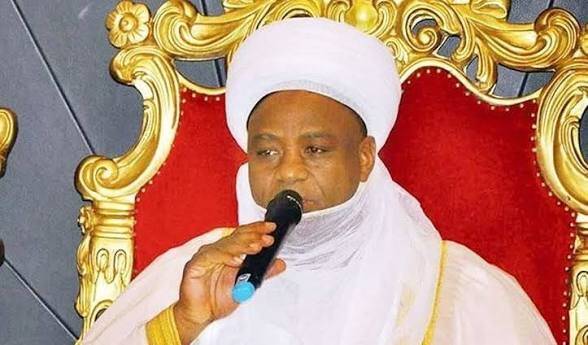
The spiritual heart of Nigeria's Muslim community beat in unison on Thursday evening as the Sultan of Sokoto and President-General of the Nigerian Supreme Council for Islamic Affairs (NSCIA), His Eminence Muhammad Sa'ad Abubakar III, officially declared Friday, August 14, 2026, as the first day of Rabi'ul Awwal 1448 AH. The declaration, which followed verified sightings of the new crescent moon across several parts of the country, brings the Islamic lunar calendar into a month of profound religious significance and sets the stage for observances that commemorate the birth and life of the Prophet Muhammad (peace be upon him).
The announcement was formalised in a statement issued by the Wazirin Sokoto and Chairman of the Sultanate Council Advisory Committee on Religious Affairs, Professor Sambo Wali Junaidu, on behalf of the Sultanate Council. According to the statement, the Sultanate Council Advisory Committee on Religious Affairs, working in collaboration with the National Moon Sighting Committee, received credible reports confirming the sighting of the new moon of Rabi'ul Awwal 1448 AH on Thursday, August 13. That day corresponded with the 29th day of Safar 1448 AH, signalling the end of the previous month and the commencement of the new Islamic month.
The reports were received from authorised moon-sighting committees across the country and subjected to the necessary religious verification before being presented to the Sultan for consideration. After reviewing and accepting the reports, Sultan Muhammad Sa'ad Abubakar formally approved the commencement of Rabi'ul Awwal 1448 AH from Friday, August 14. With this declaration, Friday officially becomes 1 Rabi'ul Awwal 1448 AH in Nigeria, following the confirmed crescent sighting and the Sultan's acceptance of the reports.
The Sultan's declaration is expected to guide Muslims nationwide in determining the appropriate dates for religious observances and activities associated with the new Islamic month. Rabi'ul Awwal holds a special place in the Islamic calendar, particularly for its historical and spiritual significance to Muslims worldwide. It is widely associated with major events in the life of Prophet Muhammad (peace be upon him), including his birth and passing. The month is traditionally marked by acts of devotion, increased recitation of the Quran, and special prayers, as well as public gatherings and lectures that reflect on the life and teachings of the Prophet.
As the spiritual leader of Nigeria's Muslim community and the country's recognised authority on matters concerning the Islamic lunar calendar, the Sultan routinely relies on verified moon-sighting reports before announcing the start of each new Islamic month. The latest declaration underscores the importance attached to the traditional and religious process of moon sighting in determining dates in the Islamic calendar. The process involves the physical sighting of the crescent moon, a practice that has been observed for centuries and remains a cornerstone of Islamic tradition in Nigeria.
The Sultanate Council urged Muslims to take note of the declaration and conduct their religious activities in accordance with the commencement of Rabi'ul Awwal 1448 AH. The announcement also provides the necessary religious framework for Islamic scholars, institutions, communities, and individuals across Nigeria to plan activities associated with the new month. These include special prayers, fasting, and charity, as well as the celebration of Maulud Nabiyy, the birthday of the Prophet Muhammad, which falls on the 12th day of Rabi'ul Awwal.
The declaration comes just days after the Sultanate Council called on Muslims across Nigeria to look out for the new moon of Rabi'ul Awwal 1448 AH on Thursday, August 13. In a previous statement, the Sultan had directed the Muslim Ummah to observe the sky on that day, which corresponded with the 29th day of Safar 1448 AH, and to report any sightings to the nearest district head for onward communication to the Sultanate Council. The successful sighting and subsequent declaration have now set the religious calendar in motion for the month ahead.
The significance of Rabi'ul Awwal extends far beyond the marking of a new month. For Nigerian Muslims, the month represents an opportunity to reflect on the life and legacy of the Prophet Muhammad and to renew their commitment to the principles of faith, compassion, and service that he embodied. The Sultan's declaration serves as a reminder of the unifying role of the Islamic calendar in the lives of millions of Nigerians, providing a shared rhythm of worship and observance that transcends ethnic and regional differences.
As the nation enters the month of Rabi'ul Awwal, the Sultanate Council has urged Muslims to conduct their religious activities in accordance with the official commencement of the month and to seek the blessings and guidance of Allah. The declaration also sets the stage for the commemoration of the Prophet's birthday, which is expected to be observed with prayers, lectures, and acts of charity across the country. The Sultan, as the recognised spiritual head of Nigeria's Muslim community, has once again demonstrated his commitment to the traditional process of moon sighting, ensuring that the Islamic calendar remains a reliable guide for the faithful.
For the millions of Muslims across Nigeria, Friday, August 14, marks not just the beginning of a new month, but the start of a sacred period of reflection, devotion, and community. The sighting of the crescent moon, confirmed by trusted committees and verified by the Sultan, has brought the nation together in faith, reminding all of the enduring power of tradition and the shared bonds of belief that unite the Ummah.
📩 Stone Reporters News | 🌍 stonereportersnews.com
✉️ info@stonereportersnews.com | 📘 Facebook: Stone Reporters News | 🐦 X (Twitter): @StoneReportNew | 📸 Instagram: @stonereportersnews
Add comment
Comments