

Reported by: Oahimire Omone Precious | Edited by: Oravbiere Osayomore Promise.
Isihaka Isau left his home in Maru Local Government Area of Zamfara State with a simple dream: to provide for his wife, his children, his parents, and the extended family that depended on him. He was not a politician. He was not a soldier. He was a man trying to earn a living in a country where even the most basic aspiration has become a gamble with death. But on a road that has become synonymous with terror, the gamble did not pay off. He was kidnapped by bandits along the Birnin Gwari road in Kaduna State, and despite his family and friends raising the staggering sum of N2.5 million as ransom, his captors have refused to release him.
The Birnin Gwari road, a critical artery connecting the North-West to the North-Central, has become one of Nigeria's deadliest highways. Travellers, traders and commuters have been abducted in their hundreds, with bandits turning the route into a hunting ground. Isihaka, like countless others, was simply in the wrong place at the wrong time. His family, desperate and broken, scrounged together every naira they could find. They sold belongings, borrowed from neighbours, and called on relatives, all in the hope of buying back his freedom. They paid the N2.5 million. They were promised his release. But the promise was a lie.
Days have now passed since the payment. Isihaka remains in captivity, his fate hanging in the balance. His family, who have already sacrificed everything they had, are now left with nothing but prayers. They have appealed to the public for supplication, asking for divine intervention for his safe return and for all other victims being held by criminals across the country. Their plea is a haunting echo of the desperation that grips countless Nigerian families who have been forced to navigate the brutal economy of kidnapping.
The case of Isihaka Isau is not unique. Across Nigeria, families have paid billions of naira in ransom, only to be met with further demands, broken promises, and in too many cases, the ultimate betrayal. The failure to release him despite the payment of ransom raises urgent questions about the nature of the criminal networks operating along the Birnin Gwari corridor and the complicity of those who facilitate these transactions. When families are forced to pay, and the kidnappers still refuse to release their loved ones, the system of extortion becomes a cycle of endless cruelty.
The Nigerian government has repeatedly insisted on a policy of no ransom payments, but in practice, families are left with no choice. The state, which has failed to secure the roads and protect its citizens, cannot credibly demand that families abandon their loved ones to the mercy of bandits. The result is a grotesque industry of abduction, where human lives are reduced to commodities, and the payment of ransom becomes a gamble with no guarantee of return.
For Isihaka's family, the days drag on in agonising uncertainty. His wife waits for news that may never come. His children cry for a father they may never see again. His parents, who should be resting in their old age, are burdened with the grief of a son who may never return. The community that rallied to raise the ransom is now left with the bitter taste of betrayal.
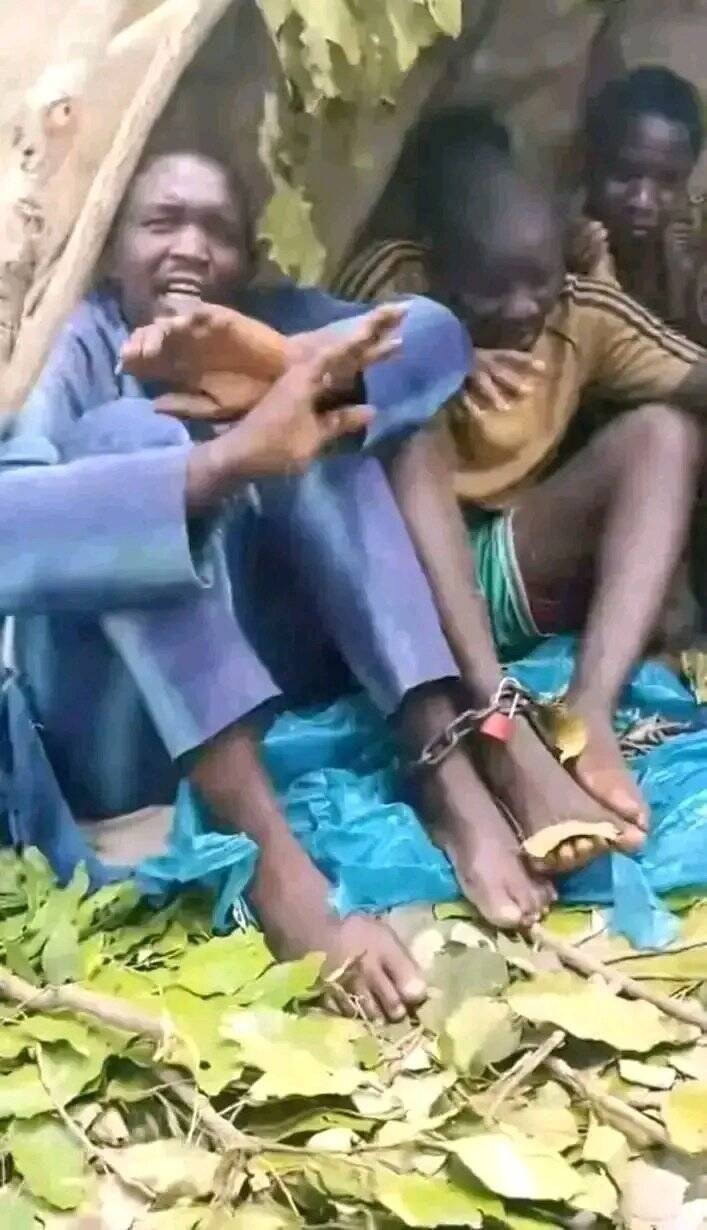
The photo of Isihaka, circulating alongside another victim in captivity, is a stark reminder of the human cost of Nigeria's security crisis. It is a face of a man who was simply trying to live, now reduced to a bargaining chip in a war that the government seems unable to win. How long must innocent people continue to disappear on our roads simply because they are trying to make a living? How many more families must be forced to pay for the freedom of their loved ones, only to be met with silence?
The family's appeal for prayers is a cry from the depths of despair. It is a recognition that, in the face of a state that has failed them, only divine intervention can save their son. But prayers alone will not bring back Isihaka. Only decisive action by the government, a commitment to securing the roads and dismantling the criminal networks, will put an end to this cycle of terror.
For now, Isihaka's family waits. They wait for a phone call that may never come. They wait for a knock on the door that may bring news of his return or his death. They wait, as millions of Nigerians wait, for a country that seems to have forgotten its own people. May Allah grant Isihaka safe return, and may He give his family the strength to endure this unbearable trial.
📩 Stone Reporters News | 🌍 stonereportersnews.com
✉️ info@stonereportersnews.com | 📘 Facebook: Stone Reporters News | 🐦 X (Twitter): @StoneReportNew | 📸 Instagram: @stonereportersnews
Add comment
Comments