

Published by Osasere Edomwonyi Ikpoba
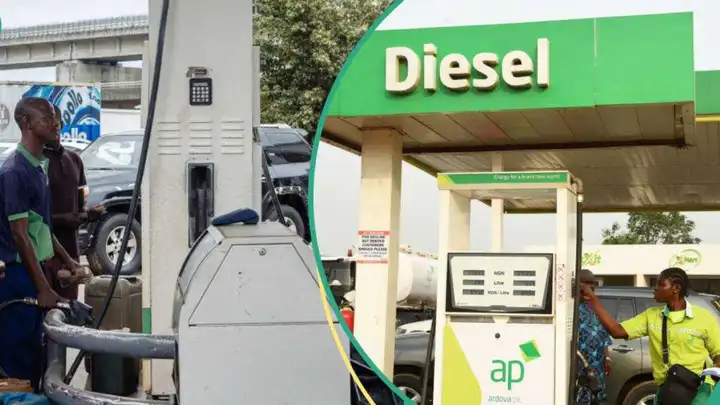
The Dangote Petroleum Refinery has announced another increase in its diesel gantry price, raising it by N100 per litre to N1,850, with the new rate taking effect from midnight on Friday, September 4, 2026. This latest adjustment follows a separate N65 per litre increase in petrol prices announced just days earlier on August 29, 2026, and marks the second diesel price hike in quick succession. The refinery has now added a cumulative N180 per litre to its diesel price across both recent adjustments, having previously raised it from N1,670 to N1,750 per litre.
The price revision comes against a backdrop of surging international crude oil prices. As of Thursday, September 3, Brent crude was trading at $97.29 per barrel, up $1.66 or 1.74 per cent, while West Texas Intermediate stood at $92.77 per barrel, a gain of $1.76 or 1.93 per cent. Alongside higher crude prices, disruptions to refining activity in parts of the Middle East and Russia have tightened the availability of refined petroleum products on international markets. Market analysts have pointed to constrained refining capacity as a growing source of upward pressure, with disruptions expected to keep supplies of products such as petrol and diesel under strain into 2027.
The diesel revision follows a separate decision by the refinery to raise its petrol pump-out price for Premium Motor Spirit from N1,200 to N1,265 per litre, a N65 increase that took effect on Saturday, August 29, 2026. The refinery also revised its coastal PMS price from N1,582,380 to N1,669,545 per metric tonne, an increase of N87,165. Both changes covered petrol purchased through gantry and coastal supply channels. The refinery instructed customers to return existing Automated Truck Loading tickets for repricing, adding that new volume contracts would need to be issued before loading could restart under the updated terms.
For Nigeria's downstream sector, the new Dangote diesel benchmark could prompt depot operators and marketers to re-evaluate their costs. How much of the increase filters through to retail prices will depend on factors such as product availability, transportation costs, and the margins applied by independent marketers. The timing of the hike is particularly sensitive, coming as Nigerian households and businesses continue to grapple with a persistent cost-of-living crisis. Diesel is a critical input for transportation, manufacturing, agriculture, and power generation, and any sustained increase in its price is likely to feed into higher costs for goods and services across the economy.
The series of price hikes at the Dangote refinery reflects the broader pressures confronting Nigeria's energy sector, where global market dynamics and domestic structural challenges intersect. While the refinery's operation has been hailed as a game-changer for Nigeria's fuel security, its pricing decisions remain tethered to international crude benchmarks and the realities of a global refining market under strain. As crude prices continue their upward march and refining capacity remains tight, Nigerian consumers may find little relief at the pump in the months ahead. For now, the message from the Dangote refinery is clear: the cost of keeping the nation's engines running is going up, and the burden will be borne by those who can least afford it.
📩 Stone Reporters News | 🌍 stonereportersnews.com
✉️ info@stonereportersnews.com | 📘 Facebook: Stone Reporters News | 🐦 X (Twitter): @StoneReportNew | 📸 Instagram: @stonereportersnews
Add comment
Comments