

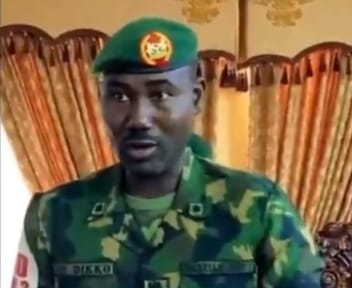
The Nigerian Army has expressed concern over the persistently low number of young people from the South-East applying to join the military, warning that recruitment opportunities allocated to the region have repeatedly remained unfilled. Senior military officers have appealed to traditional rulers, parents and community leaders to encourage greater participation in enlistment exercises.
Chief of Army Staff, Lieutenant General Waidi Shaibu, raised the concern during a passing-out parade at the Nigerian Army Recruits Training Depot in Amasiri-Edda, Ebonyi State, in July 2026. The ceremony involved 2,989 newly trained soldiers and provided an opportunity for the Army leadership to address recruitment challenges affecting the South-East geopolitical zone.
Shaibu said the region had failed to fully utilise its recruitment quota over successive exercises, describing the situation as one that required greater attention from community leaders. He appealed to eligible young men and women to consider military service and take advantage of opportunities available through the newly established training facility.
The Army chief urged parents, guardians and traditional institutions to support young people interested in joining the military. He described military service as an opportunity for national contribution, professional development and leadership, while acknowledging the demands associated with a military career.
The concern was also raised during the 91 Regular Recruits Intake exercise earlier in April. Brigadier General Uche Nnabuihe, who led an Army recruitment sensitisation team to Awka, disclosed that Anambra State had recorded only 117 applications out of approximately 38,000 received nationwide as of April 7.
Nnabuihe said the sensitisation campaign was intended to increase awareness of recruitment opportunities and encourage qualified applicants from Anambra and neighbouring states. He explained that the Army was seeking greater participation from the region during the application period.
Similar concerns were raised in Enugu during the previous year's recruitment exercise. Brigadier General Chima Ekeator, who led an Army recruitment enlightenment team in 2025, said Enugu had recorded approximately 100 applications despite having an allocation of about 200 recruitment places.
Ekeator contrasted the figures with Kaduna State, where the Army had received more than 3,000 applications during the same exercise. He said the difference demonstrated the difficulty military recruitment teams were experiencing in attracting sufficient applicants from parts of the South-East.
The officer also rejected allegations that Igbo soldiers were deliberately deployed to dangerous operational areas because of their ethnic background. He maintained that the Army had officers from the region occupying senior positions and urged prospective recruits not to be discouraged by such claims.
However, some political and community figures have offered different explanations for the low participation. They have linked the reluctance of some young people to concerns about discrimination, historical grievances and distrust of federal security institutions.
In an interview published in April 2026, Chief Chekwas Okorie, founder of the All Progressives Grand Alliance and Igbo Agenda Dialogue, said previous experiences involving recruitment and promotion had affected confidence in military careers.
Okorie alleged that some qualified applicants from the region had faced unfair treatment or demands for payments during earlier recruitment exercises. He argued that such experiences, together with perceptions of marginalisation, had discouraged some young people from pursuing military employment.
His allegations were presented as his assessment of the recruitment problem and were not established as findings against the Nigerian Army.
Aloy Ejimakor, a lawyer associated with the Indigenous People of Biafra, also criticised the Army's recruitment appeals in July. Responding to Shaibu's remarks, he argued that distrust of military institutions was an important factor behind the low enlistment figures.
Ejimakor referred to historical grievances and allegations concerning military operations in the South-East. He maintained that reluctance among some young people should not automatically be interpreted as a lack of patriotism or willingness to serve.
The Nigerian Army has disputed claims that personnel from the region are deliberately disadvantaged in operational deployments. Its recruitment officials have continued to describe enlistment as an opportunity open to qualified Nigerians from every state.
More recently, the Army renewed its recruitment sensitisation activities in Ebonyi State ahead of the 92 Regular Recruits Intake. During an engagement reported in October, Shaibu, represented by Brigadier General O. Igwe, encouraged eligible residents to apply.
The Army disclosed during the engagement that Ebonyi had been allocated more than 300 recruitment places in an earlier exercise but received only about 75 applications. The figures were presented as another example of the participation problem confronting recruitment teams.
The latest recruitment campaign also involves public awareness programmes intended to explain application procedures and eligibility requirements. Military officials have encouraged interested candidates to obtain information through authorised channels and avoid unofficial recruitment arrangements.
The continuing discussion has therefore involved both the number of applications received and the different explanations offered for the figures. Army officials have emphasised awareness and participation, while some regional figures have raised questions about confidence in military institutions.
The available figures establish low application numbers in the recruitment exercises cited by military officials. They do not, however, establish a single explanation for why individual eligible applicants decide against joining the Army.
The Army's renewed appeal places responsibility on recruitment authorities and community stakeholders to address the participation gap. Its officials have continued to encourage qualified South-East youths to apply through established recruitment procedures.
The issue remains part of the broader discussion about regional representation in Nigeria's armed forces, with military authorities seeking higher application numbers and some community representatives calling for concerns about fairness and institutional trust to be addressed.
📩 Stone Reporters News | 🌍 stonereportersnews.com
✉️ info@stonereportersnews.com | 📘 Facebook: Stone Reporters News | 🐦 X (Twitter): @StoneReportNew | 📸 Instagram: @stonereportersnews
Add comment
Comments