


Reported by: Ijeoma G | Edited by: Oravbiere Osayomore Promise.
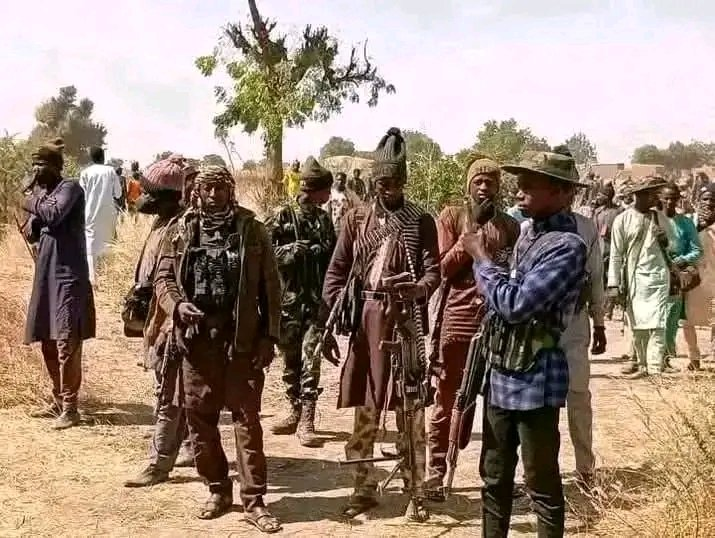
Tension and despair have deepened in Rarah community after armed bandits allegedly refused to release a group of abducted women and young girls despite receiving ransom payments from their families. The incident, which unfolded on Tuesday afternoon, has intensified fears and anger among residents who say they have exhausted all available means to secure the safe return of their loved ones.
The victims, who were kidnapped approximately four weeks ago from the rural settlement in Rabah Local Government Area, have remained in captivity under harsh conditions, according to family members. Over the past month, negotiations between the abductors and the victims’ relatives reportedly involved repeated demands for money and material items, with the bandits insisting on strict compliance before any release could be considered.
Sources within the community confirmed that families, acting collectively, gathered a significant sum of money alongside mobile phones and newly purchased SIM cards as part of the ransom package demanded by the kidnappers. Such items have increasingly become part of ransom conditions, as criminal groups seek not only financial gain but also communication tools that can aid their operations while evading detection.
Despite meeting these demands, the abductors reportedly reneged on their promise, refusing to release the captives and instead maintaining communication with intermediaries under unclear conditions. The development has left families devastated, with many expressing feelings of betrayal and helplessness after sacrificing scarce resources in hopes of securing freedom for their relatives.
Residents described the situation as emotionally overwhelming, with some families reportedly selling personal belongings and borrowing funds to meet the ransom demands. The refusal of the bandits to release the victims has not only compounded financial hardship but also deepened psychological trauma within the community. Local leaders say the uncertainty surrounding the captives’ condition is fueling anxiety and distress among relatives, particularly parents of the abducted girls.
Community representatives have issued urgent appeals to authorities in Sokoto State, calling for immediate intervention to rescue the victims and prevent further exploitation of vulnerable families. They argue that the incident highlights a dangerous pattern in which criminal groups continue to operate with impunity, even after receiving ransom payments.
Security analysts note that the refusal to release captives after ransom payment, while not widespread, is an increasingly reported tactic among some bandit groups. It reflects a shift toward more exploitative strategies, where victims may be held longer to extract additional payments or used as leverage for future negotiations. This evolving pattern has raised concerns about the risks associated with ransom payments, which, while often seen as a last resort by desperate families, may inadvertently embolden criminal networks.
The broader security situation in parts of northwestern Nigeria, including Sokoto State, has been marked by persistent attacks, kidnappings, and displacement of rural populations. Armed groups frequently target remote communities where security presence is limited, carrying out abductions and demanding ransoms that place immense financial strain on already vulnerable households.
Local authorities have yet to issue a detailed official statement on the Rarah incident, but security sources indicate that efforts are ongoing to track the perpetrators and secure the release of the captives. However, operations in such cases are often complicated by difficult terrain, limited intelligence, and the mobility of the attackers, who are known to relocate victims across forested areas to avoid detection.
There are also growing concerns about the humanitarian implications of prolonged captivity. Experts warn that victims, particularly women and young girls, face significant health and psychological risks during extended detention, especially in environments lacking adequate food, shelter, and medical care. The uncertainty surrounding their condition has heightened urgency for swift intervention.
Community leaders in Rarah have called for increased security deployment to the area, as well as stronger measures to prevent future abductions. They emphasize the need for a coordinated approach involving security agencies, local vigilante groups, and community-based intelligence systems to detect and deter threats before they escalate.
The incident has also reignited debate over the effectiveness of current strategies to combat banditry in Nigeria. While military operations have been intensified in some regions, residents in affected communities often report gaps in protection and delayed response times. This has led to calls for more proactive and localized security frameworks that can address the specific vulnerabilities of rural settlements.
For the families in Rarah community, however, the focus remains on the safe return of their loved ones. Many continue to wait anxiously, holding onto hope despite the apparent setback in negotiations. Their situation reflects the broader plight of countless families across the region who find themselves caught between the brutality of armed groups and the limitations of existing security structures.
As the crisis unfolds, pressure is mounting on authorities to act decisively and restore confidence among affected communities. The refusal of the bandits to release the captives despite receiving ransom payments has not only deepened the immediate tragedy but also raised critical questions about how to effectively respond to an evolving and increasingly complex security threat.
📩 Stone Reporters News | 🌍 stonereportersnews.com
✉️ info@stonereportersnews.com | 📘 Facebook: Stone Reporters | 🐦 X (Twitter): @StoneReportNew | 📸 Instagram: @stonereportersnews
Add comment
Comments